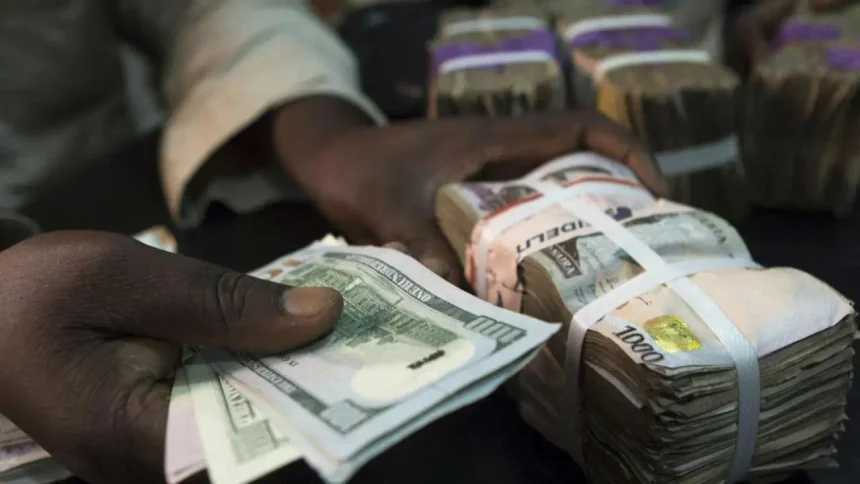
The Central Bank of Nigeria (CBN) has revealed that the country’s average monthly foreign exchange (FX) turnover has risen to $8.6 billion in 2025, a development that could have far-reaching implications for liquidity, investor confidence, and the broader economic outlook.
Mohammed Sani Abdullahi, CBN’s Deputy Governor for Economic Policy, announced the figure during an investors’ forum held on the sidelines of the IMF/World Bank Annual Meetings in Washington D.C.
EDITOR’S PICKS
He attributed the improvement to ongoing reforms targeted at enhancing transparency, clearing FX backlogs, and improving market confidence.
A Market Rebound After Years of Strain
Nigeria’s FX market has long grappled with volatility, driven by dwindling oil receipts, low investor participation, and a persistent mismatch between demand and supply. The CBN’s latest data, therefore, signals a notable turnaround.
According to Abdullahi, the rise from an average of $5.5 billion in previous years to $8.6 billion monthly in 2025 reflects an upturn in foreign inflows and stronger market participation. He noted that “FX supply at the official window has significantly improved and been driven by order-based quotation, reforms around remittances, and the clearance of backlogs.”
This increase suggests improved liquidity in the official FX window — a vital condition for a more stable naira and predictable pricing environment for importers, exporters, and investors.
Policy Reforms Behind the Surge
Over the last two years, the apex bank has introduced several measures to improve transparency and efficiency in the FX market. These include order-based quotations, reforms in the remittance system, and efforts to clear outstanding FX obligations that previously hindered business confidence.
The CBN’s decision to move toward a market-driven exchange rate has also encouraged greater participation from exporters and investors who had been wary of multiple exchange rates and limited access to foreign currency.
Abdullahi emphasized that the current FX market is “active, ethical, and transparent,” with the CBN now acting as a net buyer rather than a major supplier of foreign exchange — an indication that market forces are beginning to take a leading role.
Implications for Economic Stability
A higher FX turnover often points to a more liquid and efficient market, which can strengthen confidence among foreign investors, stabilize exchange rates, and reduce speculative pressures on the naira.
Economists note that sustained turnover growth could also help rebuild external reserves, providing a stronger buffer against external shocks such as oil price fluctuations or global monetary tightening.
However, analysts caution that improved turnover alone does not guarantee long-term stability. The sustainability of this progress depends on consistent policy direction, fiscal discipline, and diversification of foreign exchange sources beyond crude oil exports.
Next Steps: Deepening the Financial Market
To consolidate these gains, Abdullahi disclosed that the CBN, in collaboration with the Securities and Exchange Commission (SEC) and the National Pension Commission (PenCom), is initiating reforms of the secondary market to increase the range of investable instruments and enhance transparency.
The reforms aim to deepen Nigeria’s financial markets, making them more attractive to both local and international investors. “We are currently commencing a reform… to bring in transparency and ensure ethical conduct in that segment,” Abdullahi said.
Outlook
Nigeria’s rising FX turnover marks a potentially stabilizing shift in the country’s financial landscape. If sustained, it could ease foreign currency shortages, attract long-term capital inflows, and reinforce the credibility of ongoing monetary reforms.
FURTHER READING
Yet, the true test will lie in maintaining this momentum amid global economic headwinds and domestic fiscal pressures. For now, the numbers offer cautious optimism — a sign that confidence in Nigeria’s FX market may finally be returning.
Philip Ibitoye is a Special Correspondent with EKO HOT BLOG. Click here to find daily analysis and critical insight on trending issues in Lagos and other parts of Nigeria.
Click here to watch the video of the week below: