-
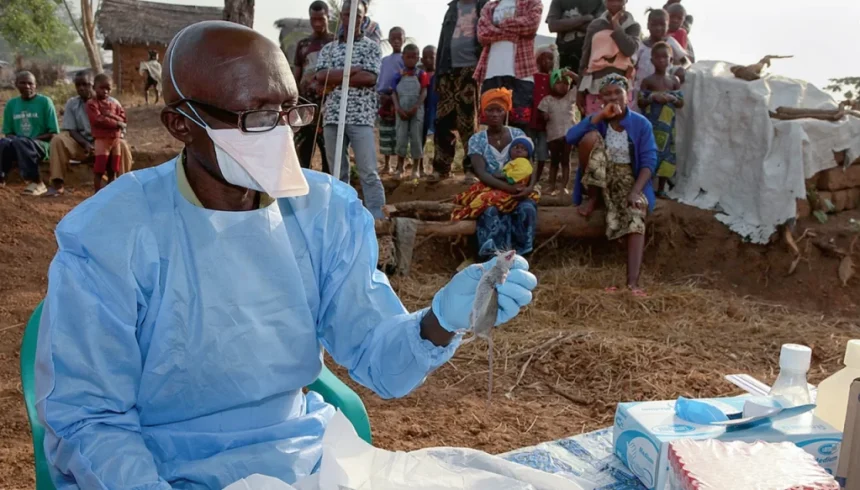
NCDC confirms 172 deaths and 924 Lassa fever cases nationwide.
-
Ondo, Bauchi, Edo, Taraba, and Ebonyi account for most infections.
-
Agency urges stronger surveillance, early detection, and better prevention.
The Nigeria Centre for Disease Control and Prevention (NCDC) has confirmed that 172 people have died from Lassa fever across the country since the beginning of 2025.
EDITOR’S PICKS
- Federal Judge Blocks Trump Administration Layoffs During Shutdown
- What Another Drop in Monthly Inflation Rate Signals for Nigerians
- ‘PDP Defections to APC Prove I Was Right About Tinubu’ – Wike
EKO HOT BLOG reports that according to the latest Situation Report released on Tuesday, October 21, the agency said 924 confirmed cases have been recorded across 21 states and 106 Local Government Areas. The current case fatality rate stands at 18.6 percent, higher than the 17 percent recorded during the same period in 2024.
The NCDC noted that most of the infections were concentrated in a few high-burden states and warned that the disease remains a significant public health threat.
“In week 40, the number of new confirmed cases increased from four in Week 39 to 13, all reported from Ondo State,” the statement read.
The report further revealed that five states accounted for 90 percent of all confirmed cases. These are Ondo (35%), Bauchi (22%), Edo (17%), Taraba (13%), and Ebonyi (3%). The remaining 10 percent were spread across 16 other states, indicating sustained transmission despite containment efforts.
Epidemiologists say the concentration of cases in these states highlights the need for stronger community surveillance, improved sanitation, and rodent control, especially in rural areas where poor food storage attracts disease-carrying rodents.
The most affected age group, according to the NCDC, is between 21 and 30 years, with a male-to-female ratio of 1 to 0.8, showing a slightly higher prevalence among men.
Encouragingly, no new infections were recorded among healthcare workers during the week under review, which the NCDC attributed to improved infection prevention and control measures in hospitals.
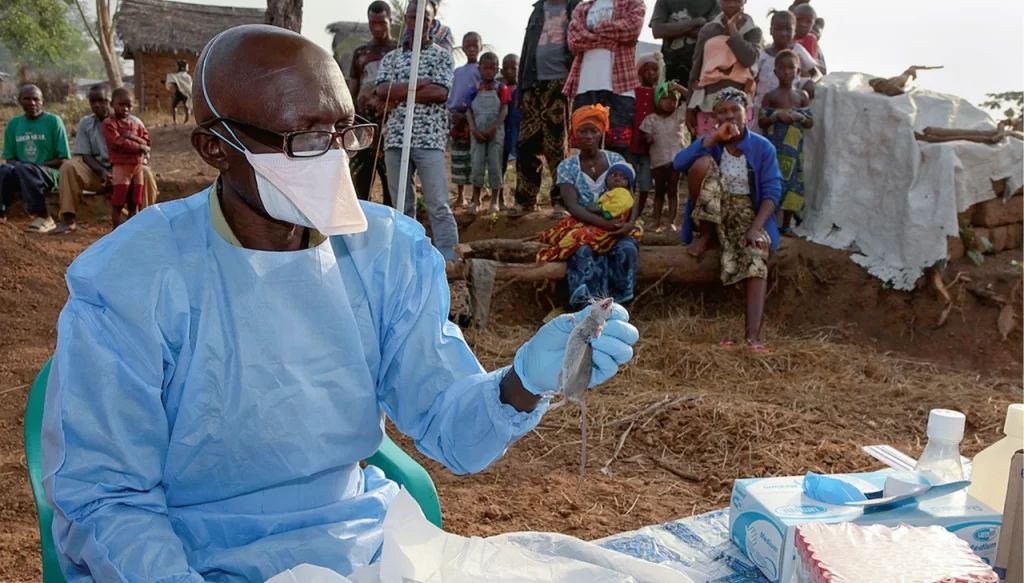
While the agency continues to coordinate national surveillance, laboratory testing, and treatment, it stressed that Lassa fever remains endemic in Nigeria and urged states to strengthen preparedness and response capacities.
FURTHER READING
- Kano Court Remands Orphanage Owner Over Abduction of 600 Children
- Information Minister Hails Borno as Nigeria’s Most Resilient State
- Businessman Sends SOS to Police Over Abduction of 16-Year-Old Son in Iba