- The bill seeks to make the EFCC more independent
- the President can remove the EFCC Chairman without parliamentary approval
- the amendment was necessary to reflect modern realities not captured
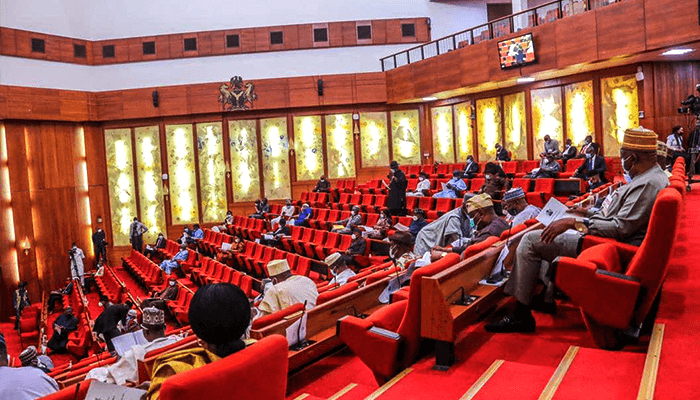
The House of Representatives has approved for second reading a bill aimed at amending the Economic and Financial Crimes Commission (Establishment) Act, 2004, to strengthen the Commission’s autonomy and reduce political influence in its operations.
Eko Hot Blog gathered that the proposed amendment, sponsored by Plateau lawmaker Yusuf Gagdi, was considered during Thursday’s plenary presided over by Deputy Speaker Benjamin Kalu.
The bill seeks to make the EFCC more independent and align its functions with international anti-corruption standards. Gagdi explained that the existing legal framework has become outdated and inadequate to tackle modern financial crimes effectively.
According to him, financial crimes have evolved since the Act’s enactment in 2004, now including cyber fraud, cryptocurrency manipulation, terrorism financing, and real estate-based money laundering.
Gagdi noted that under the current law, the President can remove the EFCC Chairman without parliamentary approval, which exposes the agency to political interference.
The proposed amendment, however, would require a two-thirds majority vote from both chambers of the National Assembly before such a removal can take effect.
He stressed that this change would enhance transparency and rebuild public trust in the Commission, adding that an independent EFCC is vital for good governance and economic stability.
In his words, “This bill is a bold step towards strengthening Nigeria’s anti-corruption framework. It will ensure the EFCC functions as an autonomous and professional institution capable of addressing contemporary financial crimes.”
Supporting the proposal, Abia lawmaker and Chairman of the House Committee on Financial Crimes, Ginger Onwusibe, said the amendment was necessary to reflect modern realities not captured in the 2004 law.
The House unanimously passed the bill for second reading and referred it to the appropriate committee for further consideration.