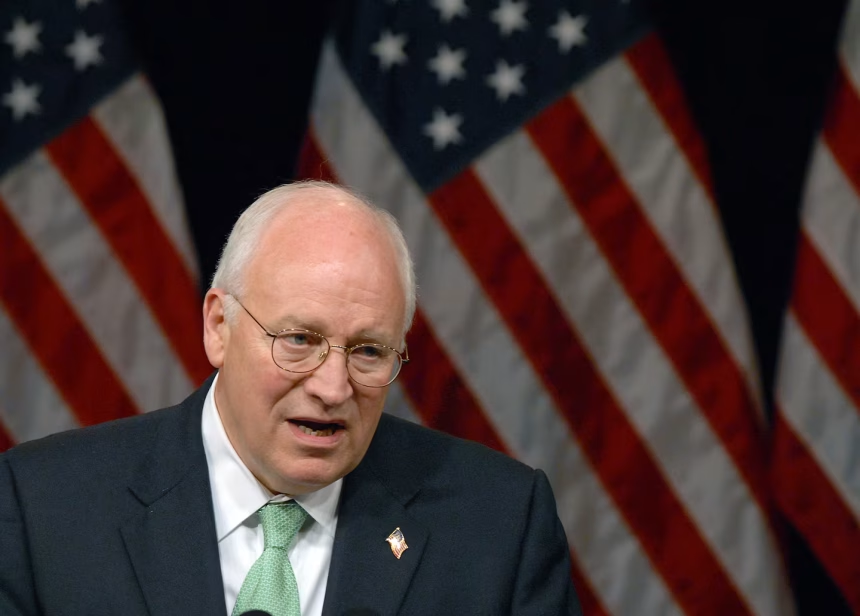
- Cheney was a leading voice of neo-conservatism within the Bush administration
- He was a key advocate for the 2003 invasion of Iraq
- Cheney held several significant positions, including White House Chief of Staff
Former U.S. Vice President Dick Cheney has passed away at the age of 84, according to a statement from his family reported by U.S. media on Tuesday.
Eko Hot Blog gathered that the family said Cheney died from complications related to pneumonia, as well as cardiac and vascular disease.
EDITOR’S PICK
- PHOTO STORY: Epe Divisional Headquarters Unveiled in Honor of late AIG
- Dollar to Naira Exchange Rate Today, 4th November 2025
- Christian Genocide: How Buhari Ignored U.S. Offer To Fight Terrorism
Cheney, who served as the 46th vice president under President George W. Bush from 2001 to 2009, was regarded as one of the most influential vice presidents in U.S. history, often shaping key policies behind the scenes.
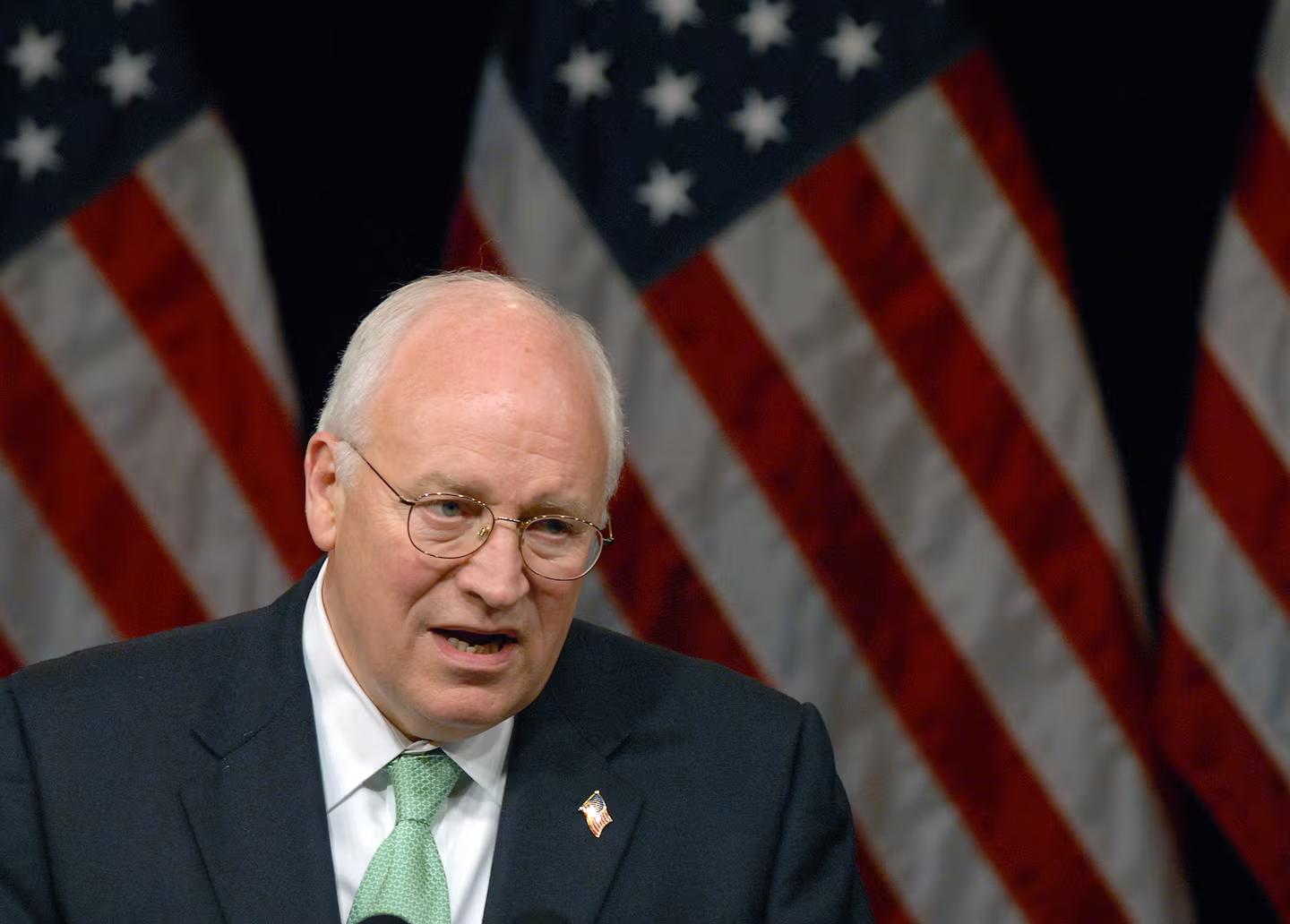
Born on January 30, 1941, in Lincoln, Nebraska, Cheney was raised in Wyoming, where he later earned a degree in political science from the University of Wyoming after leaving Yale University.
His political journey began in 1978 when he was elected to represent Wyoming in the U.S. House of Representatives, a position he held for a decade. He later served as Secretary of Defense under President George H.W. Bush, overseeing U.S. operations during the 1990–91 Gulf War.
As vice president, Cheney was a leading voice of neo-conservatism within the Bush administration and played a central role in shaping post-9/11 U.S. foreign policy.
He was a key advocate for the 2003 invasion of Iraq, driven by disputed claims that Saddam Hussein possessed weapons of mass destruction.
Throughout his career, Cheney held several significant positions, including White House Chief of Staff, congressman, defense secretary, and vice president, leaving behind a legacy marked by both influence and controversy.
FURTHER READING