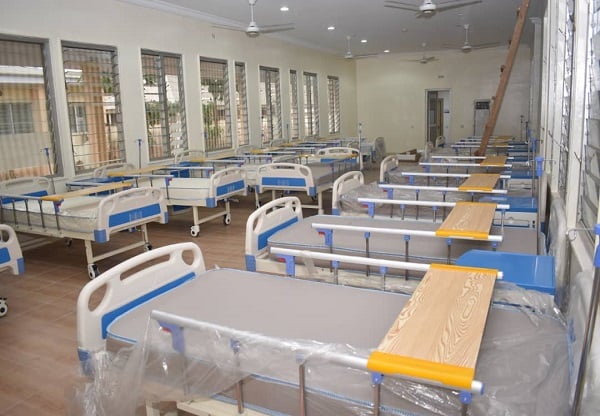
Nigeria’s fragile healthcare system faces further strain as the Joint Health Sector Unions (JOHESU) begins an indefinite nationwide strike, coinciding with the ongoing industrial action by the Nigerian Association of Resident Doctors (NARD), which already hit at least 91 hospitals nationwide.
Together, the simultaneous walkouts have pushed hospitals across the country into a state of near paralysis, heightening fears about avoidable deaths, delayed treatments, and worsening health outcomes for millions of citizens.
EDITOR’S PICKS
Double Strike, Double Impact
EKO HOT BLOG gathered that the JOHESU strike, effective Saturday, November 15, 2025, includes members from major health sector unions such as the Medical and Health Workers’ Union of Nigeria, the Nigerian Union of Allied Health Professionals, and key staff across universities, teaching hospitals, and research institutes.
Their withdrawal means essential services — laboratory diagnostics, pharmacy operations, physiotherapy, radiology, nursing assistance, and administrative support — have largely ground to a halt.
With resident doctors already off duty since Saturday, November 1, 2025, over unpaid hazard allowance arrears and unmet welfare agreements, the combined effect is stark. Hospitals that ordinarily depend on JOHESU members to run day-to-day operations and on doctors to provide clinical care now face acute manpower shortages. Emergency units will be overwhelmed or barely functioning; outpatient clinics remain shut; and patients needing routine checks, chronic disease management, or urgent surgeries will likely be turned back.
The dual strikes may disproportionally hurt low-income Nigerians who rely heavily on public hospitals. Those unable to afford private care are left with few alternatives, raising the risk of increased mortality from preventable and treatable conditions.
Why JOHESU Downed Tools Again
At the centre of JOHESU’s action is the federal government’s repeated failure to implement the adjusted Consolidated Health Salary Structure (CONHESS), a demand pending since the High-Level Body Committee submitted its report in 2022. Despite presidential assurances and earlier memoranda of understanding that prompted the suspension of strikes in 2023 and 2024, the unions say no meaningful progress was made.
JOHESU leaders argue that the delays, initially blamed on the absence of the Presidential Committee on Salaries, persisted even after the committee was reconstituted. Only in the last 48 hours, they claim, did the government show signs of taking steps toward resolving the prolonged impasse. The unions describe their past concessions as acts of maturity and patriotism that have been taken for granted.
For resident doctors, grievances revolve around unpaid hazard allowances, unresolved welfare commitments, and poor working conditions—issues that mirror the systemic neglect cited by JOHESU.
A Crisis the Government Cannot Ignore
The simultaneous strikes amplify concerns about governance gaps in Nigeria’s health sector.
Repeated cycles of walkouts, promises, and unfulfilled agreements point to structural weaknesses in negotiation, implementation, and accountability. More critically, the persistent disruptions erode the public’s trust in government capacity to safeguard essential services.
Public health experts warn that prolonged industrial actions could worsen Nigeria’s already high maternal and child mortality rates, delay critical disease surveillance activities, and undermine emergency response systems. With both doctors and allied health workers off duty, even the most basic medical procedures become difficult to execute.
As the strikes drag on, the urgency for the federal government to meaningfully engage, honour previous commitments, and establish a credible implementation mechanism cannot be overstated. A swift, transparent resolution is not just a labour relations imperative, it is a national health priority.
FURTHER READING
Without decisive action, Nigeria risks deeper crises in a sector already burdened by workforce shortages, emigration of skilled professionals, and chronic underfunding.
Philip Ibitoye is a Special Correspondent with EKO HOT BLOG. Click here to find daily analysis and critical insight on trending issues in Lagos and other parts of Nigeria.
Click here to watch the video of the week below: