- The Cost of Insecurity: Inside the Economic Damage Spreading Across Nigeria
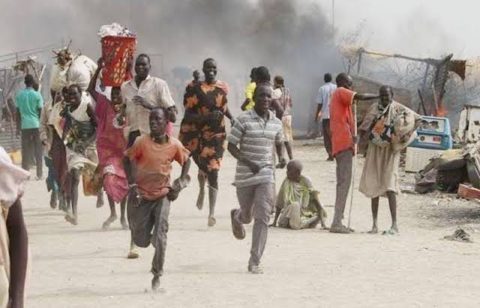
Nigeria’s security crisis has moved beyond headlines it is now reshaping livelihoods, markets and national finances. In the space of a fortnight, mass kidnappings, church raids and school closures have spread fear across large swathes of the North and Middle Belt, forcing parents to keep children at home, farmers to abandon fields and businesses to re-price risk into every transaction.
The economic consequences are starting to show in hard numbers and behaviour that will slow growth if left unchecked.
The November abductions in Kebbi, Kwara and Niger states have triggered panic across northern Nigeria. Dozens of schools have been temporarily shut, and governors have directed boarding schools to operate as day schools while security operations continue.
These disruptions reduce learning time, increase household childcare costs and push parents to divert incomes toward private security or relocation money that would otherwise be spent on food, clothing or local services.
Agriculture, the backbone of rural incomes and a major employer is especially exposed. Reports from farming communities show smallholders are increasingly afraid to enter farmlands at planting or harvest, with banditry and ambushes limiting access to fields and transport routes.
Abandoned plots reduce output, tighten local supplies and push up food inflation, a direct hit to poor households that spend the largest share of income on food. International institutions have warned that insecurity has already weighed on agricultural productivity and contributed to rising food insecurity in 2025.
Foreign direct investment has not escaped the spillover. The Central Bank and market reports show a steep decline in FDI in 2025 compared with prior years, while international investors increasingly flag security risk as a key deterrent.
The IMF and World Bank note that while growth has held up on higher hydrocarbon output, a deterioration in security could dent expansion and worsen food insecurity, undercutting the very macro gains policymakers tout. Less FDI means fewer jobs, less technology transfer and a smaller tax base to fund security and social spending.
Banks and insurers are responding by reassessing risk-premia for loans and coverage in affected states. Where kidnappings spike, businesses face higher security bills, reduced working hours and interrupted supply chains.
Small and medium enterprises the economy’s job engine are least able to absorb these costs. If firms retrench or close, unemployment rises and tax revenues fall, creating a fiscal feedback loop that can starve public services and weaken state capacity to respond. (See local reporting and security advisories.)
Policymakers must treat insecurity as an economic as well as a security emergency. Priorities should include: targeted protection for schools and markets; secure corridors and escorts for farmers at planting and harvest; rapid compensation and credit for affected SMEs; and a transparent plan to restore investor confidence (including guarantees, credible policing and community-led protection).
Without visible, sustained action, the country risks an erosion of human capital, agricultural output and outside investment that could shave percentage points off growth for years.