- Lagos to Ban Korope Buses from Major Highways
- Buses will feature official blue-and-white colours, QR codes, unique identification numbers, and Touch and Pay (TAP) stickers
- Operators and passengers caught making cash transactions will face arrest
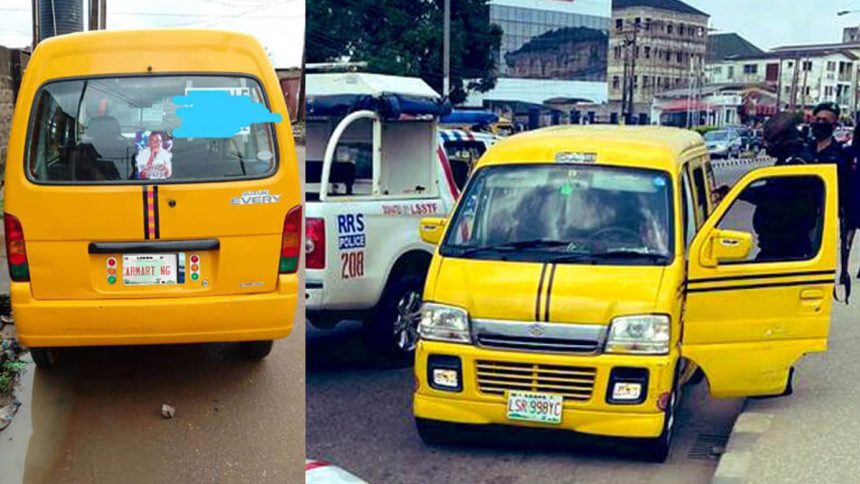
The Lagos State Government has announced plans to gradually withdraw small commercial buses, commonly called korope, from major highways as part of a strategy to modernise public transport and enhance commuter safety.
Eko Hot Blog reports that the announcement was made during a stakeholder meeting held ahead of the launch of the Lekki–Epe Bus Reform Scheme, which is scheduled to commence operations on December 8, 2025.
EDITOR’S PICK
- Africa Begins Rollout Of Breakthrough HIV Prevention Injection
- Lagos Sets December 27 For Eyo Festival
- Sanwo-Olu Urges Responsible Credit Practices to Drive Business Growth, Economic Development
The meeting brought together officials from the Ministry of Transportation, the Lagos Metropolitan Area Transport Authority (LAMATA), and representatives of informal transport operators to finalise arrangements for the first phase of the initiative.
The reform will introduce exclusive, fully regulated bus services along key transport corridors, including Ajah–CMS (Marina)/Obalende, Ajah–Oshodi, Ajah–Berger, and Ajah–Iyana Ipaja. Services are expected to later extend to Epe.
In a statement on Tuesday, LAMATA’s Head of Corporate Communication, Kolawole Ojelabi, said Special Adviser on Transportation, Sola Giwa, highlighted the state’s long-term goal of phasing out unsafe and unregulated vehicles from high-traffic routes and replacing them with a more efficient, coordinated system.
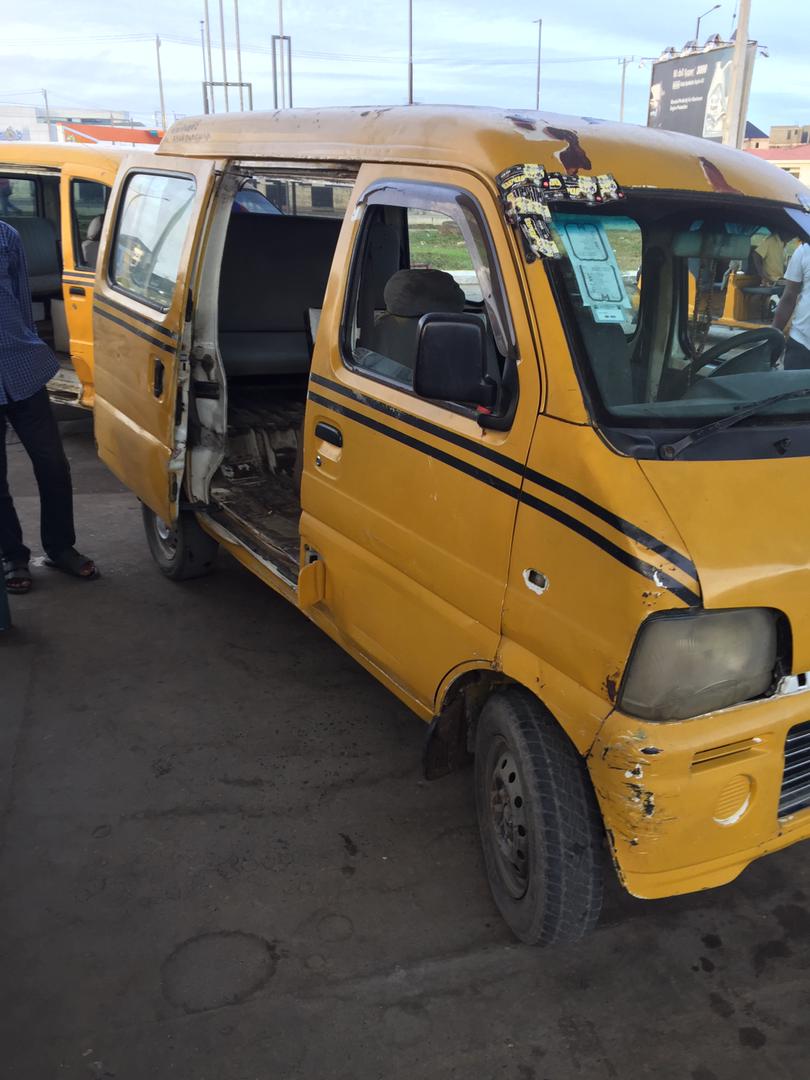 “We need to take a lot of bad buses off the road. The Lekki–Epe Expressway is not isolated. We are working on other major transit corridors,” Giwa said. “The State Government also plans to remove the small buses, known as korope, from major highways and reassign them to feeder and community routes to strengthen the First and Last Mile bus scheme.”
Under the new structure, currently regulated operators on the corridor will continue stage-carriage services, while Oneness, a collaborative group of the National Union of Road Transport Workers (NURTW), has been approved to operate express services between Ajah, Oshodi, and Berger.
All buses under the scheme will feature Lagos State’s official blue-and-white regulated colours, carry QR codes for verification, unique identification numbers, and Touch and Pay (TAP) stickers. Drivers will be required to wear official Ministry of Transportation badges.
A total of 229 medium- and high-capacity buses will operate in the first phase, with fare payments strictly limited to the Cowry card electronic system. Giwa warned that any transport operator or passenger caught using cash on the corridor will be arrested and prosecuted.