- Egoh says revenue from the mining sector grew from N6 billion in 2022 to N26 billion by October 2025.
- Calls for stronger accountability in Zamfara’s mining activities.
- Recommends PIA-style community benefits for mining host communities.
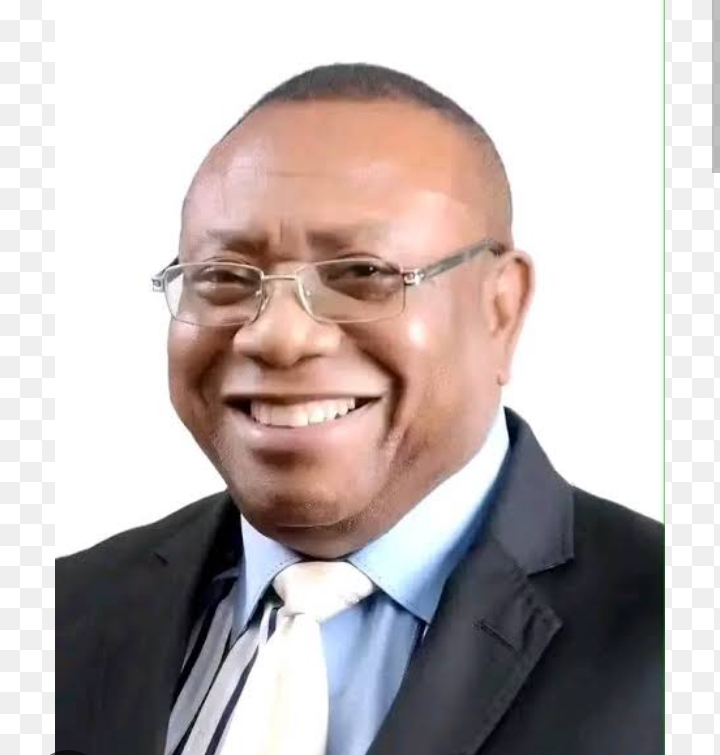
Former member of the House of Representatives for Amuwo-Odofin Federal Constituency, Hon. Oghene Egoh, has hailed the Minister of Solid Minerals Development, Dr. Dele Alake, for what he described as unprecedented reforms, revenue growth, and sectoral stability in Nigeria’s mining industry.
Eko Hot Blog reports that speaking during an interview with the press, Egoh said the minister had implemented transformative policies that strengthened regulations, improved licensing procedures, and significantly curtailed illegal mining.
EDITOR’S PICK
- Africa Begins Rollout Of Breakthrough HIV Prevention Injection
- Lagos Sets December 27 For Eyo Festival
- Sanwo-Olu Urges Responsible Credit Practices to Drive Business Growth, Economic Development
He noted that “the sector has never witnessed this level of discipline and accountability in recent years.”
Egoh highlighted that the ministry’s revenue, which was about N6 billion in 2022, surged to N26 billion by October 2025, following stricter regulatory frameworks.
He added that “the ministry also recorded an impressive N38 billion in 2024, showing consistent growth under Dr. Alake’s leadership.”
According to him, the issuance of 867 mining licences, which generated N6.95 billion, and the ongoing processing of 955 more title applications, demonstrate the renewed confidence investors have in the sector.
He explained that the licences issued include 512 exploration licences, 295 small-scale mining leases, and 60 quarry leases.
Egoh further praised the minister for attracting massive investments into the solid minerals value chain.
He revealed that over “$800 million was invested in processing-related projects in 2023,” while Chinese companies pumped “$1.3 billion into lithium-processing facilities,” marking a major milestone for the industry.
He commended Alake for insisting on local value addition and strengthening enforcement mechanisms, including the creation of Mining Marshals to curb illegal mining activities.
He said these reforms have created jobs, encouraged technology transfer, and boosted sustainable development across mining communities.
Egoh also acknowledged the Federal Government’s efforts to reduce dependence on oil by expanding revenue sources into the mining sector.
He encouraged the government to deepen support for local processing facilities, pointing to the billion-dollar mining and processing plant in Nasarawa State as a model project that could employ thousands.
However, he called for stronger political engagement with the Zamfara State Government to ensure transparency and accountability in their mining operations.
He alleged that “large-scale mining activities in Zamfara are not being adequately captured in national revenue figures,” urging the state to adopt value-added processing like Nasarawa and Osun (Ilesha).
Egoh applauded Alake’s collaboration with the Ministry of Interior and the Nigeria Security and Civil Defence Corps in securing mining sites and curbing mineral theft.
He urged the Federal Government to take full charge of solid minerals—just as it does with crude oil—while ensuring states receive the statutory 13 per cent derivation to encourage local participation.
He also recommended adopting aspects of the Petroleum Industry Act (PIA) to ensure host communities directly benefit from mining operations, saying such a model would strengthen inclusiveness and development.
Reiterating the need for diversification, Egoh stressed that the mining sector has the potential to rival crude oil if properly supported and harnessed.
He said “Nigeria must continue on this path because solid minerals hold the future of our economic transformation.”