
The tragic death of rising soprano singer Ifunanya Nwangene following a snake bite in Abuja has exposed critical gaps in Nigeria’s primary healthcare system, sparking debate among medical professionals about the country’s healthcare priorities.
EKO HOT BLOG gathered that Nwangene suffered the snake bite at home on Saturday morning and was taken to two hospitals before arriving at the Federal Medical Centre (FMC), Abuja around 11am. Despite receiving anti-venom treatment at FMC, she experienced sudden deterioration and died the same day.
EDITOR’S PICKS
The incident has highlighted a troubling pattern: not whether individual hospitals acted professionally, but whether the healthcare system as a whole is equipped to save lives in emergencies.
The Primary Healthcare Crisis
Dr Saheed Kehinde, Lagos State Chairman of the Nigerian Medical Association (NMA), used the tragedy to condemn the neglect of primary healthcare in Nigeria.
“Any country that ignores primary healthcare has a failed health system. We have a failed health system in this country; that’s the truth,” he said on Channels Television’s The Morning Brief.
Kehinde explained that primary healthcare centres should receive 60 to 70 per cent of budgetary allocation, followed by secondary and tertiary facilities.
“Unfortunately, in this country, governments focus more on secondary and tertiary healthcare and neglect primary healthcare, which is the basis of care in any country in the world,” he stated.
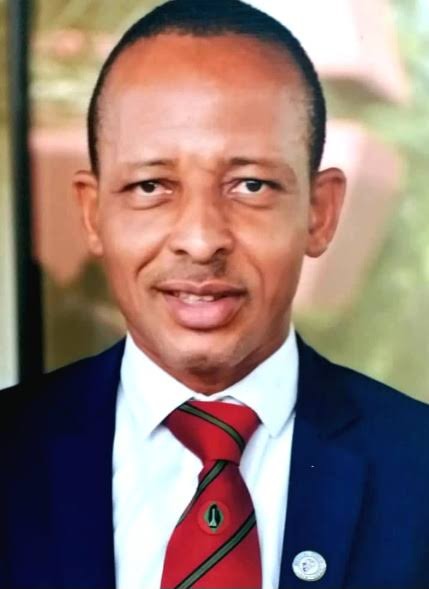
He emphasised that basic medicines like anti-snake venom should be readily available at primary healthcare centres, which should be the first point of contact for medical emergencies. “What does primary healthcare mean? It means the first place you go for health, and it should not be a distance from your house,” Kehinde said.
The Time Factor
Medical experts agree that time is crucial in snake bite treatment.
“Within minutes, you should try to give the anti-snake venom,” Kehinde explained, noting that the type of snake determines the virulence and how quickly complications can develop.
Popular health influencer Dr Chinonso Egemba, better known as Aproko Doctor, argued that the real cause of death was not the snake bite itself but systemic failure. “Snakes bite people everywhere, but they do not die like this,” he said on Instagram.
He questioned why hospitals lacked antivenom when Nigeria has locally developed Echitab, specifically designed for Nigerian snakes. “It is unacceptable for hospitals to tell patients they cannot be saved because basic medicines are unavailable, and this is not the 1980s,” he stated.

The Hospital’s Position
FMC Abuja has strongly denied allegations of negligence.
In a statement on Sunday, the hospital said staff provided “immediate and appropriate treatment, including resuscitation efforts, intravenous fluids, intranasal oxygen, and the administration of polyvalent snake antivenom.”
The hospital explained that Nwangene suffered “severe neurotoxic complications from the snake bite” and experienced sudden deterioration just before planned transfer to the Intensive Care Unit.
“The claims of non-availability of anti-snake venom and inadequate response are unfounded,” the statement read.
Understanding the Nuance
The reality may lie somewhere between these accounts.
Reports indicate Nwangene visited two hospitals before reaching FMC. If the first hospital lacked anti-venom, precious time was lost — time that could have been critical given that venom spreads rapidly through the body.
By the time she reached FMC, which apparently had the antivenom, the complications may have already been too severe to reverse. FMC’s medical team may indeed have acted professionally with the resources available to them at that point.
However, this does not absolve the government of responsibility.
The fundamental issue is that in a country where snake bites are common, basic antivenom should be available at the first hospital a patient reaches, ideally, a nearby primary healthcare centre.
The Way Forward
Kehinde urged collaboration between government and private sector to strengthen community-level healthcare. He noted that Lagos State’s 300 primary healthcare centres are insufficient for its population, and many lack doctors.
Both medical professionals have called for Nigerians to demand accountability: why are hospitals without basic supplies? Why are primary healthcare centres neglected?
FURTHER READING
As Aproko Doctor pointedly stated, “We have completely forgotten the basics of healthcare, and it is costing young lives like Nanyah every single day.”
Philip Ibitoye is a Special Correspondent with EKO HOT BLOG. Click here to find daily analysis and critical insight on trending issues in Lagos and other parts of Nigeria.
Click to watch the video of the week below: