For months, residents and business owners across Epe Division lived and worked under an unrelenting shadow of darkness.
The prolonged blackout that engulfed the ancient town disrupted daily life, slowed economic activities, and placed an enormous burden on traders, artisans, and small-scale entrepreneurs who form the backbone of the local economy.
EDITOR’S PICK
- NUC Reaffirms Support for Global Academic Partnerships as UNILAG Signs MoU
- UNILAG, University of Birmingham Sign MoU to Explore Transnational Education Partnership
- UNILAG–Birmingham Partnership Will Transform Nigeria’s Education Sector – Alausa
From market stalls in Epe township to workshops in surrounding communities, the absence of electricity forced many businesses to rely heavily on petrol and diesel generators.
This alternative, though necessary, came at a steep cost.
Rising fuel prices increased overhead expenses, reduced profit margins, and in many cases, pushed small businesses to the brink of collapse.
Cold-room operators lost perishable goods, barbers and tailors struggled to operate consistently, while digital businesses and charging centres either shut down temporarily or relocated to areas with stable power supply.
The blackout did more than affect income; it altered livelihoods. Business hours were shortened, customer confidence declined, and employment opportunities dwindled as some operators were forced to lay off staff to survive.
For an axis widely regarded as Lagos State’s emerging growth corridor, the prolonged power outage became a major setback.
Against this backdrop, the assurance by Hon. Abiodun Tobun, representing Epe Constituency I in the Lagos State House of Assembly, signals a turning point.
His disclosure that the Lagos State Government has approved substantial funding for a power step-down facility, alongside alternative solar power solutions, has rekindled hope among residents and investors alike.
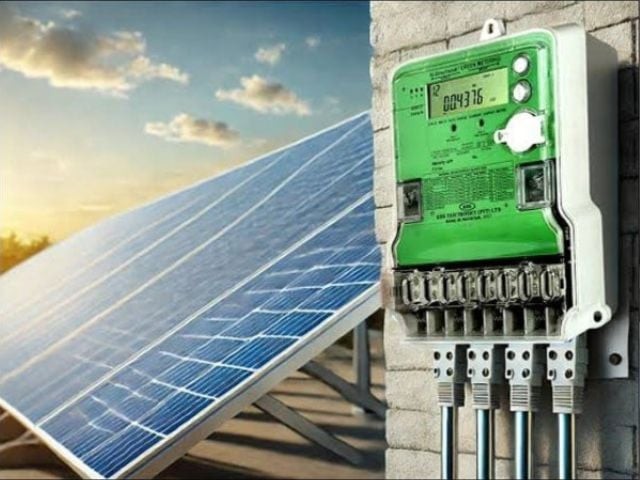
While conventional power infrastructure promises long-term stability, the planned solar power intervention stands out as a timely and almost divine relief for businesses that have endured months of hardship.
Solar energy offers a sustainable, cost-effective, and environmentally friendly alternative that can reduce dependence on fuel-powered generators.
For traders and entrepreneurs, this translates to lower operating costs, extended working hours, improved productivity, and restored confidence in the local economy.
Beyond immediate relief, solar power has the potential to transform Epe’s business landscape.
Small enterprises can scale up operations without fear of energy disruptions, new investors can enter the market with reduced infrastructure concerns, and the community can gradually build resilience against future power challenges.
As Epe continues to position itself as the next phase of Lekki, bolstered by ongoing and proposed projects such as the Fourth Mainland Bridge, a new international airport, and major port developments, stable electricity remains a critical enabler of growth.
The planned power interventions, if delivered as promised, may well mark the end of an era of darkness and the beginning of renewed economic vitality.
For many business owners in Epe, the coming of solar-powered solutions is more than an infrastructure upgrade; it is a lifeline, a restoration of hope, and a powerful reminder that light, both literal and economic, can still return after the longest night.
FURTHER READING
- UNILAG–Birmingham Partnership to Globalise Nigeria’s Higher Education – Prof. Ogunsola
- Tinubu-Led Reforms Strengthen Governance, Boost Investor Confidence – Bagudu
- NPF-NCCC Arrests Six in Major ₦7.7bn Telecom Airtime Diversion Case
Click here to watch the video of the week