Striking Doctors and a Health System in Crisis
The heartbreaking death of a young Nigerian singer following a snake bite has sparked renewed debate about the gaps in Nigeria’s healthcare system. Beyond a single tragic loss, it has highlighted systemic cracks that undercut emergency response, hospital capability and ultimately cost lives.
Nigeria’s public hospitals are chronically underfunded, understaffed and plagued by frequent industrial actions. These weaknesses have forced many Nigerians to seek care abroad, while ordinary citizens continue to suffer delayed treatment, poor outcomes, and in some cases death due to avoidable causes.
EDITOR’S PICKS
- Health Workers Warn as Antivenom Gaps Undermine Snakebite Treatment
- Tinubu Approves ₦40bn Zero-Interest Loans for University Lecturers, Staff
- 5 Health Risks Men Face After Age 40
Hospitals in Nigeria often lack essential equipment, reliable power and adequate medical staff. Many facilities function below acceptable standards of care, forcing families into costly private care or medical tourism. There is broad recognition that the health system remains severely underfunded, with allocations far below global recommendations despite Nigeria being a signatory to the Abuja Declaration.
In many government hospitals, wards are overcrowded, equipment is outdated or broken, and routine diagnostics are delayed. Long wait times and delayed interventions are now common outcomes that can mean the difference between life and death when dealing with emergencies like snake bites or severe trauma.
In 2025, resident doctors across the Federal Capital Territory and other regions commenced warning and indefinite strikes to press the government over poor working conditions, unpaid allowances, broken equipment, and manpower shortages. These strikes, representing real concern among frontline medical staff, have disrupted care delivery in public hospitals.
The Nigerian Association of Resident Doctors (NARD) detailed that many core demands including payment of long-outstanding allowances and welfare improvements remain unmet despite negotiations with the Federal Government.
Strikes directly affect patients, with hospital services often reduced to skeletal levels, surgeries postponed, and critical coverage absent. In some cases, patients are turned away or discharged prematurely because specialist doctors are unavailable.
Nigeria faces an acute brain drain of healthcare workers. Between 2005 and 2024, the country lost nearly 19,000 doctors to overseas migration due to poor welfare, low pay and unfavorable working conditions, according to health sector reporting.
Many doctors now practice abroad in countries that offer better pay, infrastructure and career prospects, contributing to a shortage that leaves existing staff overworked. In private hospitals, doctors report seeing excessive patient loads because peers have left the country.
The doctor-to-patient ratio in Nigeria remains well below World Health Organization recommendations, with estimates ranging from 1:3,474 to approximately 1:10,000, compared with the global benchmark of 1:600.
As the system deteriorates, only those with financial means can access quality care, often through travel abroad or expensive private facilities. Many Nigerians are left with overstretched public services, whose failure increases out-of-pocket spending and barriers to timely treatment.
The pattern of elites seeking healthcare overseas even for routine procedures erodes confidence in local services and underscores the unevenness of Nigeria’s health sector.
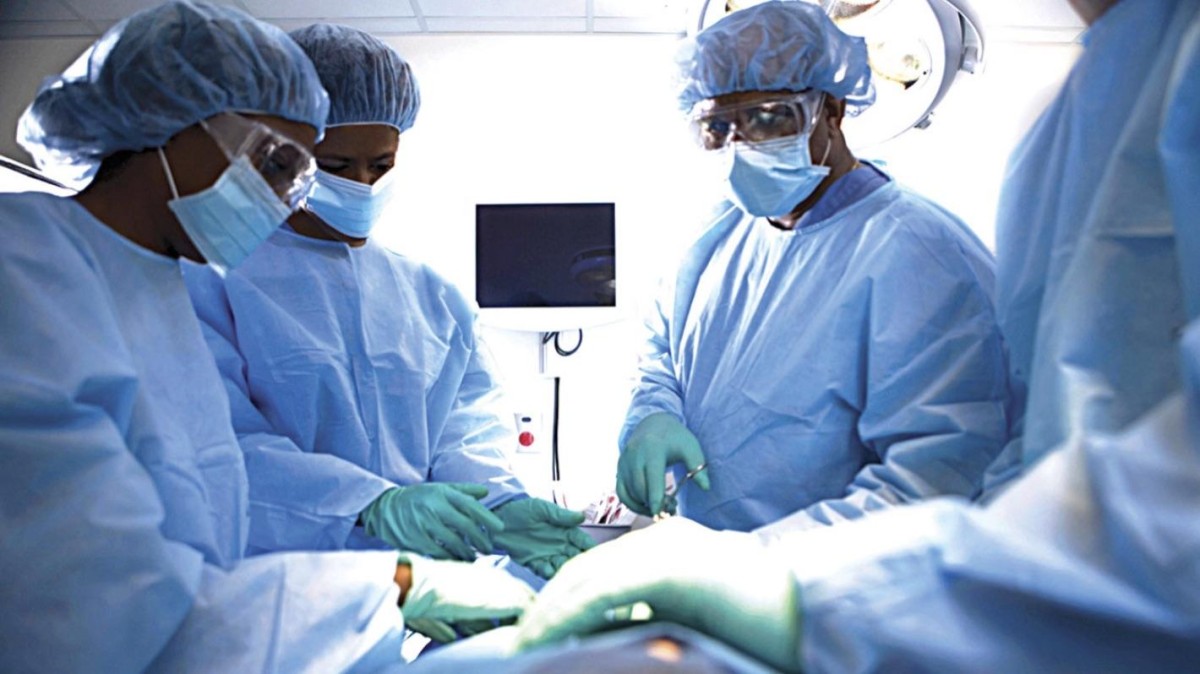
Health stakeholders have repeatedly emphasized that patient welfare must be the priority in healthcare delivery and that investment in infrastructure and human resources is essential. External experts note that underfunding and brain drain not lack of medical knowledge are at the root of Nigeria’s health challenges.
Civil society groups have also condemned years of neglect, highlighting that preventable illnesses and poor care outcomes contribute to significant mortality.
Nigeria’s healthcare system is in crisis not because of isolated incidents, but due to long-standing structural failures. Underfunded hospitals, repeated strike actions by overworked staff, and the mass exodus of doctors have eroded public confidence and compromised emergency response. Without urgent policy reforms, increased funding, and a commitment to healthcare professionals’ welfare, more lives will be lost to conditions that could otherwise be treated.
FURTHER READING
- Home Alone Actress Catherine O’Hara Dies at 71
- We Will Not Leave Nigerians Behind, Shettima Assures
- Ganduje – North Will Back Tinubu in 2027