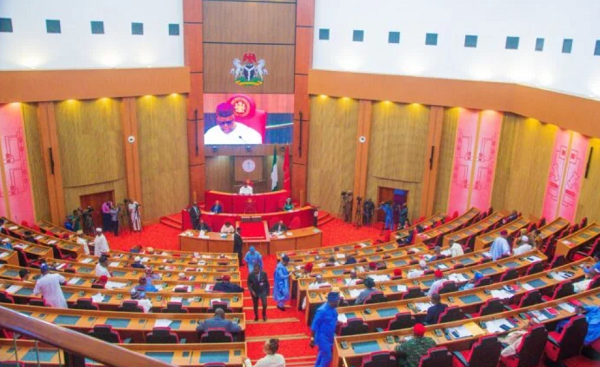
The Nigerian Senate’s continued failure to pass the Electoral Act Amendment Bill is rapidly transforming from a legislative delay into a full-blown democratic crisis.
After another five-hour closed-door session on Tuesday ended without resolution, stakeholders are increasingly alarmed about the implications for the 2027 general elections and Nigeria’s democratic future.
EDITOR’S PICKS
This marks the third unsuccessful attempt in two weeks to conclude deliberations on the bill, despite the House of Representatives having passed its version before the Christmas recess in December.
Senate President Godswill Akpabio has consistently urged caution, citing the volume of post-election litigation from the 2023 polls as justification for careful scrutiny.
Yet this caution is beginning to look dangerously like obstruction.
Time running out for electoral reforms
The calendar tells a stark story. Under Section 28(1) of the Electoral Act 2022, the Independent National Electoral Commission (INEC) must issue a notice of election no later than 360 days before polling day. With the presidential election traditionally held in late February, INEC is already working against a tightening deadline.
The situation becomes even more urgent when one considers the proposed amendments themselves. The draft bill before the Senate suggests moving the next presidential and governorship elections to November 2026, approximately four months earlier than current practice. If approved, this would leave INEC with significantly less time to prepare, making the Senate’s delays even more problematic.
Former INEC National Commissioner Festus Okoye warned that delayed passage “fundamentally affects the mandatory timelines” in both the Electoral Act and the Constitution.
“The early and timely passage of the Act will allow the Independent National Electoral Commission to publish the timetable and schedule of activities for the 2027 General Election,” Okoye explained in a recent interview with Nigerian Tribune. “Conversely, a delayed passage will disrupt timelines, cause uncertainty, and heighten anxiety within the electoral process.”
Political parties face their own cascading uncertainties. Under current law, they must submit candidate lists no later than 180 days before elections, with candidates emerging from valid primaries.
Without a finalised electoral act, parties cannot confidently plan their internal processes, potentially leaving internal disputes unresolved and the entire political calendar subject to speculation.
What reforms are at stake
The proposed amendments represent potentially transformative improvements to Nigeria’s electoral system. The most significant change mandates real-time electronic transmission of results from polling units to INEC’s Result Viewing Portal (IReV), with transmission occurring simultaneously with physical collation. This directly addresses allegations of result manipulation that plagued the 2023 elections.
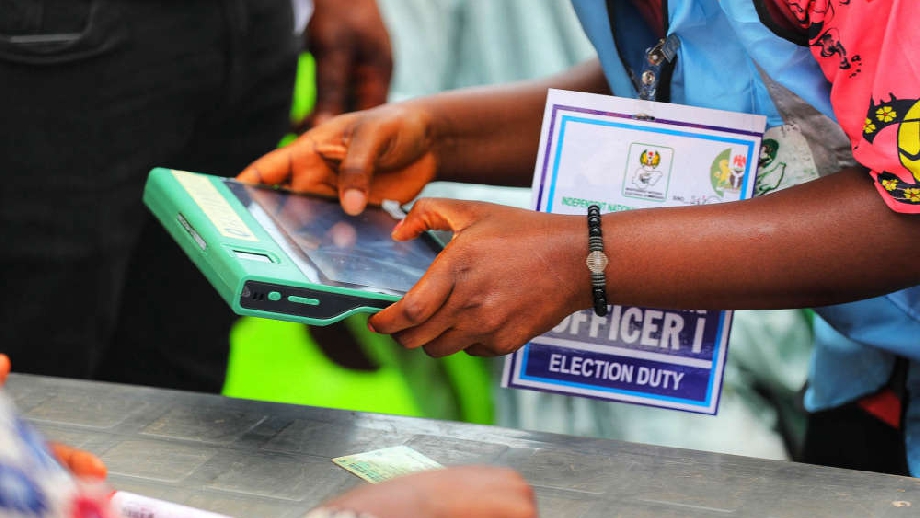
Other crucial reforms include dramatically increased penalties for vote-buying—from N500,000 to N5 million, coupled with two years’ imprisonment and a ten-year ban from contesting elections. The bill also creates criminal liability for presiding officers who fail to sign and stamp ballot papers, introduces safeguards for vulnerable voters, and modernises equipment terminology to reflect current technology.
According to the Senate Committee on Electoral Matters’ own report, stakeholders were “unanimous in their support for the passage of the Bill,” noting it would address “most of the inherent lacunae” in the current Act. The committee emphasised that passing the legislation would allow the 10th National Assembly to “bequeath to Nigerians an enduring legacy of electoral integrity.”
The looming legitimacy crisis
Beyond logistical challenges, the Senate’s delay threatens to deepen Nigeria’s democratic legitimacy crisis.
The 2023 general elections recorded the lowest voter turnout since 1999, a disturbing indicator of declining public confidence. Widespread allegations of manipulation, technological failures, and INEC’s inconsistent enforcement of transparency guidelines left many Nigerians questioning whether their votes actually matter.
If reforms fail to materialise before 2027, this erosion of trust will likely accelerate. Citizens who felt disenfranchised in 2023 will view the failure to reform as confirmation that the political class has no intention of allowing genuine democratic competition. The result could be catastrophic voter apathy, with turnout potentially falling to new historic lows.
Opposition parties and civil society organisations have already signalled they will not accept results produced under the unreformed framework, setting the stage for prolonged disputes and potential unrest.
FURTHER READING
The window for meaningful reform is rapidly closing. Each day the Senate delays brings Nigeria closer to conducting another flawed election under a discredited legal framework, with all the instability and illegitimacy that entails.
Philip Ibitoye is a Special Correspondent with EKO HOT BLOG. Click here to find daily analysis and critical insight on trending issues in Lagos and other parts of Nigeria.
Click to watch the video of the week below: