Since the COVID-19 pandemic, news of viral outbreaks anywhere in the world now catches global attention.
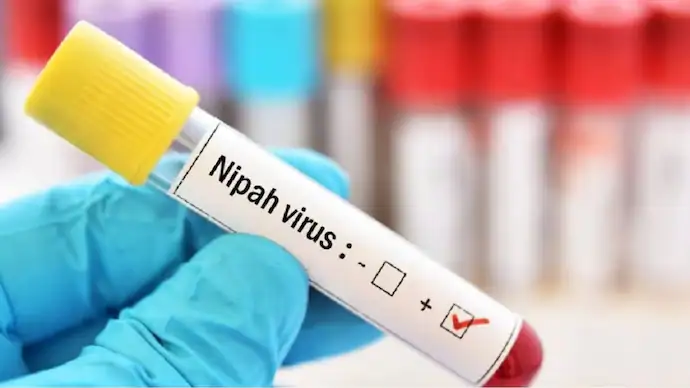
The latest concern is Nipah virus, which has infected two healthcare workers in India.
EDITOR’S PICKS
EKO HOT BLOG details what Nigerians need to know about this disease.
What has happened?
India confirmed two cases of Nipah virus in West Bengal State in January 2026. Both patients are healthcare workers at a private hospital in Barasat, a district north of Kolkata. They developed symptoms in late December 2025.
As of January 21, one patient’s condition was reported to be improving whilst the other remains in critical care.
Indian authorities have tested 196 people who came into contact with the infected patients, and all tested negative. No new cases have been detected since December.
What is Nipah virus?
Nipah is a dangerous viral infection that spreads from animals to humans. The virus was first discovered in 1999 during an outbreak amongst pig farmers in Malaysia and Singapore.
The disease is particularly deadly. Between 40 and 75 out of every 100 people who catch it die, depending on how quickly they receive medical care. This makes it far more lethal than COVID-19.
How does it spread?
People can catch Nipah virus in three main ways:
- From animals: The virus lives in fruit bats. People can become infected by eating fruit or drinking date palm sap contaminated by infected bats, or through direct contact with sick pigs or other infected animals.
- From contaminated food: Consuming food that infected bats have touched or urinated on.
- Person-to-person: Unlike with animals, the virus can spread between people through close contact with an infected person’s bodily fluids, particularly in healthcare settings.
What are the symptoms?
Infected people may experience fever, headaches, muscle pain, vomiting, and sore throat. In severe cases, the virus attacks the brain, causing inflammation, confusion, seizures, and coma. Some patients develop breathing problems.
Symptoms typically appear 4 to 14 days after exposure, though this can extend up to 45 days.
Is there a cure or vaccine?
Currently, there is no specific medicine or licensed vaccine for Nipah virus. Doctors can only provide supportive care, such as helping patients breathe and managing their symptoms whilst their bodies fight the infection.
However, the University of Oxford began the second phase of vaccine trials in Bangladesh last December, offering hope for future prevention.
Should Nigerians be worried?
The World Health Organisation assesses the global risk as low. The virus does not spread easily between people, and the current outbreak appears contained with no community transmission.
Several Asian countries, including Thailand, Indonesia, Nepal, and Malaysia, have increased airport screening for travellers from affected areas as a precaution. The European Centre for Disease Prevention and Control considers the risk for travellers to the area as very low.
Has this happened before?
This is India’s seventh Nipah outbreak since 2001. West Bengal previously experienced outbreaks in 2001 and 2007. Kerala State, in southern India, has had regular outbreaks since 2018, including an outbreak between May and July 2025 that infected four people and killed two.
The virus remains a regional concern in South and Southeast Asia, where fruit bats that carry it are common.
What lessons from COVID-19 apply here?
Whilst Nipah is far deadlier than COVID-19, it spreads much less easily between people. COVID-19 spread rapidly because infected people could transmit it before showing symptoms, and it spread through the air in enclosed spaces.
Nipah typically requires direct contact with infected bodily fluids to spread between people, which is why healthcare workers are most at risk. This makes it easier to contain through isolation and contact tracing.
However, the global attention to this outbreak shows how the pandemic changed our awareness. People worldwide now pay closer attention to disease outbreaks everywhere, understanding that in our connected world, a virus anywhere can become a concern everywhere.
The bottom line
Indian health authorities are managing the outbreak with established public health measures: isolating patients, tracing contacts, and monitoring for new cases. All contacts have tested negative, and no community spread has been detected.
FURTHER READING
For Nigerians, the immediate risk remains extremely low. However, staying informed about global disease outbreaks is now part of living in a post-COVID world, where vigilance and early awareness can make all the difference.
Philip Ibitoye is a Special Correspondent with EKO HOT BLOG. Click here to find daily analysis and critical insight on trending issues in Lagos and other parts of Nigeria.
Click to watch the video of the week below: