- The Omani government has yet to formally confirm the meeting, while Washington has also not publicly acknowledged the location
- The move followed heightened military activity in the region. U.S. naval officials said an Iranian drone approached an American aircraft carrier before being shot down
- President Donald Trump has repeatedly stated that while military options remain on the table, his administration prefers a diplomatic solution
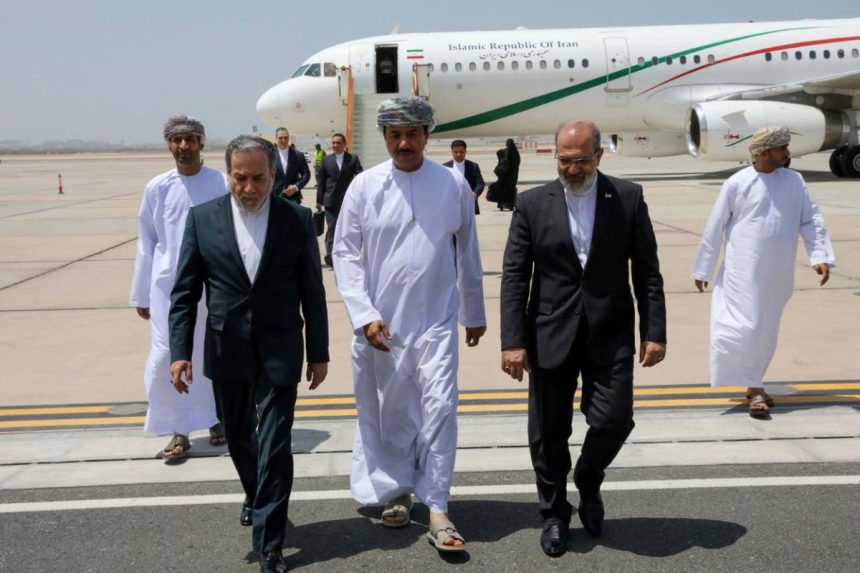
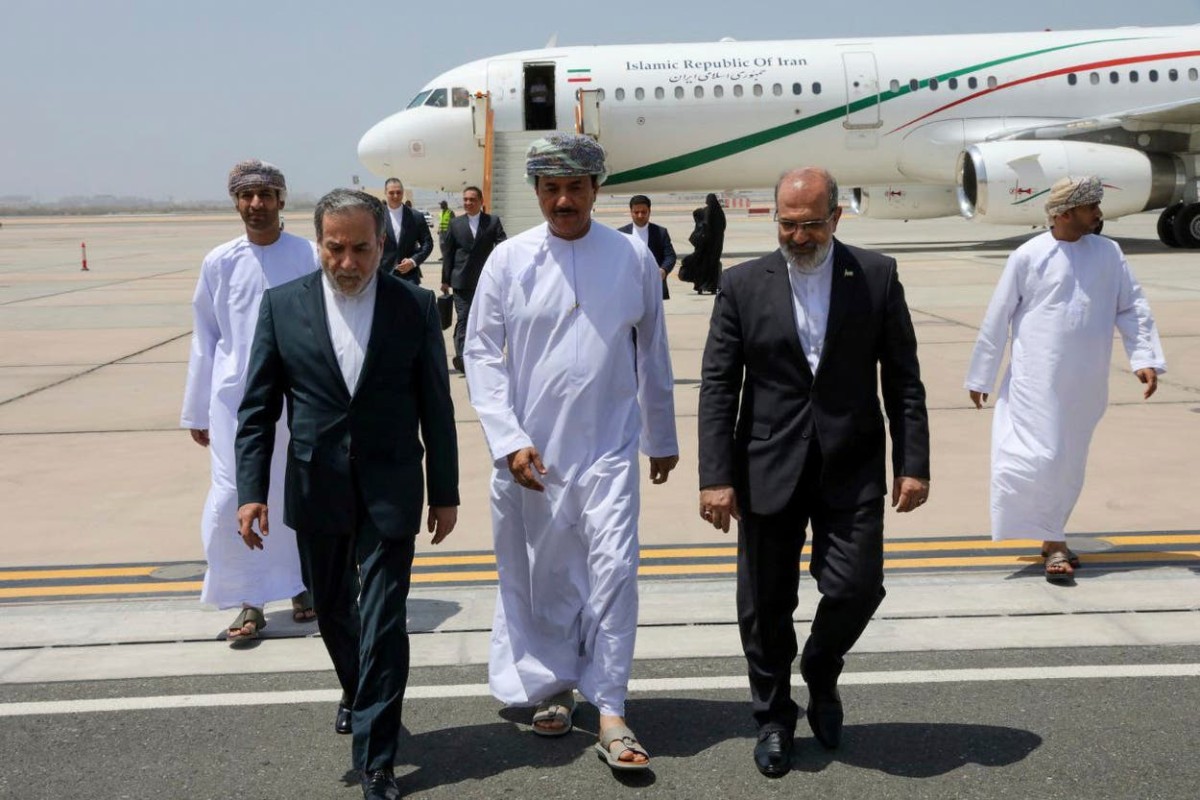
Diplomatic engagement between Iran and the United States is set to resume on Friday in Oman, according to Iranian media, even as relations between both countries remain strained in the wake of Tehran’s violent suppression of nationwide protests last month.
Iran’s semi-official ISNA and Tasnim news agencies, along with the Student News Network, reported on Wednesday that the talks would be hosted by Oman, a country that has previously served as a neutral venue for U.S.–Iran nuclear negotiations, according to Eko Hot Blog.
EDITOR’S PICK
- ADC Requests INEC to Postpone FCT Area Council Elections
- Tope Alabi Welcomes Grandchild
- CBN to Introduce New Policy to Regulate Debit Card Issuance, ATM Operations
The Omani government has yet to formally confirm the meeting, while Washington has also not publicly acknowledged the location.
Despite the tensions, the White House indicated it still expects discussions to move forward. This comes after a series of recent confrontations, including the U.S. military downing an Iranian drone on Tuesday and Iranian forces attempting to intercept a U.S.-flagged vessel in the Strait of Hormuz.
Meanwhile, human rights activists say the scale of Iran’s crackdown continues to grow. The U.S.-based Human Rights Activists News Agency reported that more than 50,000 people have been arrested so far, with at least 6,876 deaths linked to the protests.
Independent verification of these figures has been difficult due to widespread internet restrictions imposed by Iranian authorities.
Earlier this week, Iran’s reformist President, Masoud Pezeshkian, signalled a possible shift in policy by directing the foreign minister to seek “fair and equitable negotiations” with Washington.
The statement marked Tehran’s clearest indication yet of its willingness to re-engage diplomatically.
The move followed heightened military activity in the region. U.S. naval officials said an Iranian drone approached an American aircraft carrier before being shot down, while speedboats linked to Iran’s Revolutionary Guard reportedly attempted to halt a U.S.-flagged ship. Iran has not officially commented on either incident.
Despite these developments, the prospect of dialogue remains alive. White House press secretary Karoline Leavitt said U.S. special envoy Steve Witkoff has been preparing for discussions with Iranian representatives, initially expected to take place in Turkey later this week.
President Donald Trump has repeatedly stated that while military options remain on the table, his administration prefers a diplomatic solution, particularly regarding Iran’s nuclear programme and its handling of domestic unrest.
According to U.S. officials, the renewed push for talks suggests backing from Iran’s Supreme Leader, Ayatollah Ali Khamenei, whose approval is required for any major policy shift. The 86-year-old leader had previously rejected negotiations with Washington.
On Wednesday, Iranian military commanders also toured a missile facility housing the Khorramshahr missile, capable of striking targets over 2,000 kilometres away.
State media said footage of the visit would be aired later in the day, underscoring Tehran’s effort to project military strength following a recent conflict that weakened its air defences.
FURTHER READING