- footage circulating online suggests civilians in southwestern Iran have been mobilising to assist in locating the missing American
- a US Fairchild Republic A-10 Thunderbolt II involved in the rescue mission was hit during operations
- Iranian authorities said the attacks did not significantly damage the plant’s core operations
United States President Donald Trump has issued a stern warning to Iran, saying severe consequences would follow if Tehran refuses to strike a deal, an ultimatum the Iranian government has firmly dismissed.
Eko Hot Blog reports that the sharp exchange comes amid rising tensions, with a senior Iranian military official, Ali Abdollahi Aliabadi, responding with equally strong rhetoric, warning that any escalation would have serious repercussions for the United States.
EDITOR’S PICK
- Easter Celebration: Sanwo-Olu Encourages Love, Sacrifice, Coexistence
- Enough Is Enough Defend Yourselves’ – CAN Urges Northern Christians
- NLC Orders Street Protests Over Minimum Wage
Hostilities intensified over the weekend as Iran launched fresh missile attacks targeting parts of the Gulf region, including Iraq and Israel.
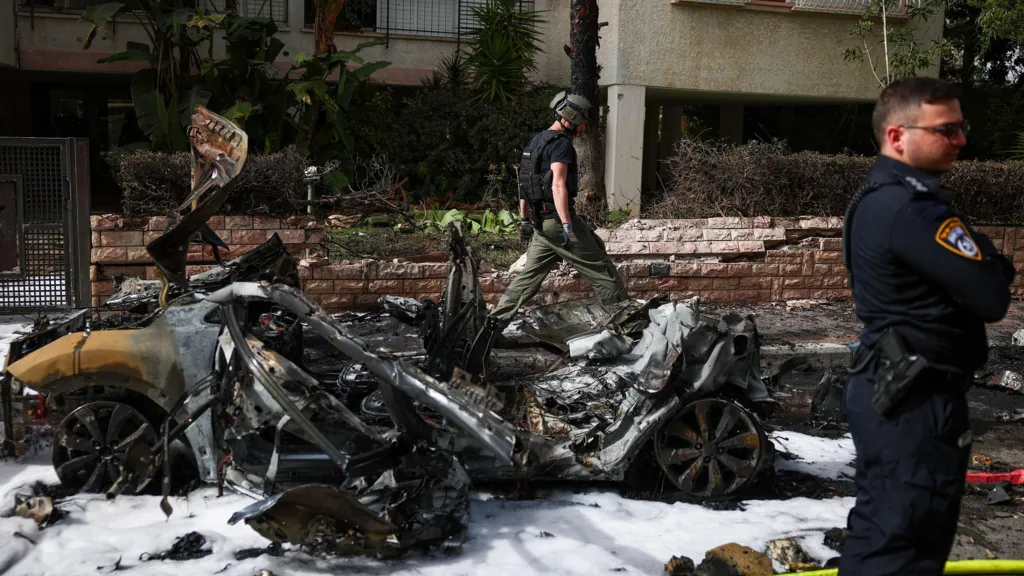
While several missiles were intercepted, falling debris reportedly caused damage in affected areas. Additional strikes were also reported overnight in Israel, Bahrain, Kuwait, and the United Arab Emirates.
The situation has been further complicated by an ongoing search operation for a missing American crew member after a US F-15 Eagle was brought down over southern Iran. Although the pilot was rescued, efforts continue to locate another crew member linked to the incident.
Iranian state media reported casualties following a joint US-Israeli airstrike in the same region, with at least four people confirmed dead. Missile attacks also damaged telecommunications infrastructure in parts of Iran, according to local reports.
Unverified footage circulating online suggests civilians in southwestern Iran have been mobilising to assist in locating the missing American, with authorities reportedly encouraging public involvement and offering incentives.
In a related development, a US Fairchild Republic A-10 Thunderbolt II involved in the rescue mission was hit during operations but its pilot was safely recovered after ejecting.
Earlier, Trump had announced a temporary halt to attacks on Iranian energy facilities to allow room for negotiations.
However, he renewed his warning, insisting that failure to comply within a short timeframe could trigger intensified military action, including demands related to the strategic Strait of Hormuz.
Iranian officials have rejected these demands, describing the threats as baseless and provocative. Another military spokesperson, Ebrahim Zolfaghari, cautioned that further escalation could destabilise the entire region.
Meanwhile, US and Israeli forces have continued strikes on Iranian military and industrial targets. In Kuwait, drone attacks reportedly damaged key power and water facilities, disrupting essential services.
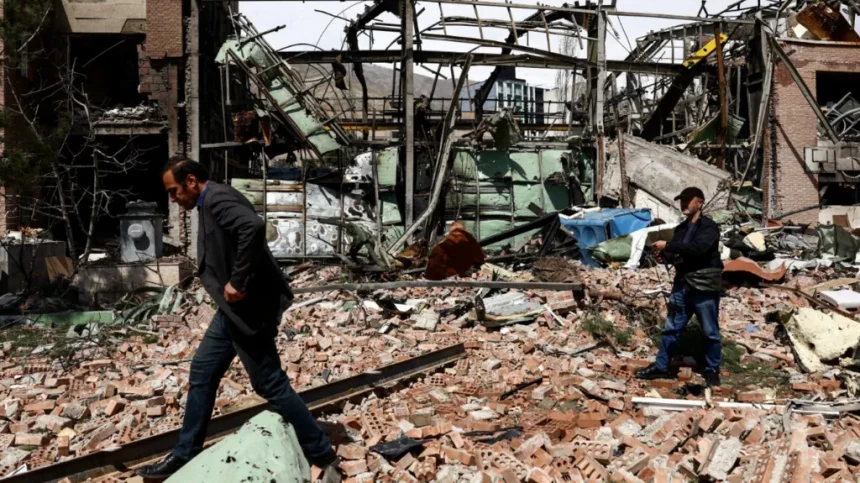
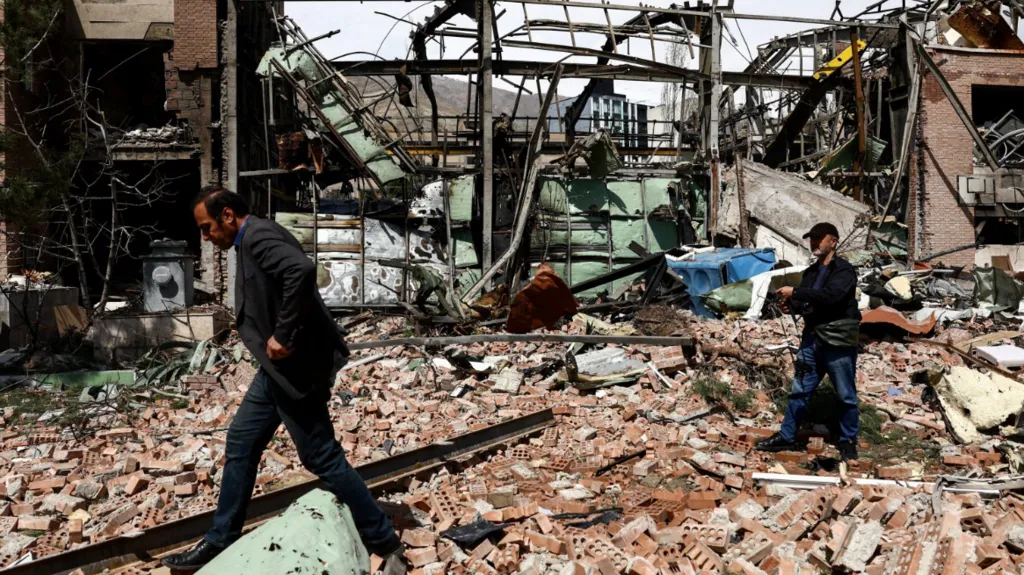
Israel also confirmed intercepting missiles launched from Iran, while reports indicated that a major petrochemical facility in southwestern Iran was struck, resulting in casualties and injuries. Israeli authorities claimed the site was linked to weapons production.
Concerns have also grown over repeated strikes near Iran’s Bushehr Nuclear Power Plant, the country’s only operational nuclear facility.
Iranian authorities said the attacks did not significantly damage the plant’s core operations, though one worker was reportedly killed.
The International Atomic Energy Agency has expressed serious concern over the developments, warning against targeting nuclear facilities and urging all parties to exercise restraint to prevent a potential nuclear incident.
Russia has begun evacuating personnel from the Bushehr facility, according to Alexei Likhachev, head of the state nuclear corporation.
The latest escalation comes against the backdrop of longstanding tensions over Iran’s nuclear programme, which has drawn international sanctions and diplomatic standoffs.
The current conflict between the US, Israel, and Iran reportedly began in late February, shortly after another round of indirect nuclear talks failed to yield a breakthrough.
FURTHER READING