- She said many citizens have been influenced by sustained negative narratives pushed by political interests
- Nigeria’s development depends on unity, mutual respect, not persistent attacks on those in leadership
- The First Lady also criticised the culture of public ridicule and online attacks directed at leaders
Nigeria’s First Lady, Senator Oluremi Tinubu, has expressed concern that many public officials who are widely admired and honoured abroad are often subjected to harsh criticism and abuse by citizens at home, a situation she attributed to hate-fuelled narratives and political manipulation.
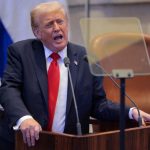
Eko Hot Blog reports that Mrs Tinubu shared her thoughts in a Facebook post on Friday, shortly after United States President Donald Trump publicly praised her during the National Prayer Breakfast in Washington, DC.
EDITOR’S PICK
- ADC Requests INEC to Postpone FCT Area Council Elections
- Tope Alabi Welcomes Grandchild
- CBN to Introduce New Policy to Regulate Debit Card Issuance, ATM Operations
The high-profile annual gathering, attended by US lawmakers, religious leaders, and international delegates, featured remarks by Trump on faith, leadership, and global religious freedom.
During his address, he acknowledged the presence of Nigeria’s First Lady and commended her standing both as a national figure and as an ordained pastor of the Redeemed Christian Church of God.
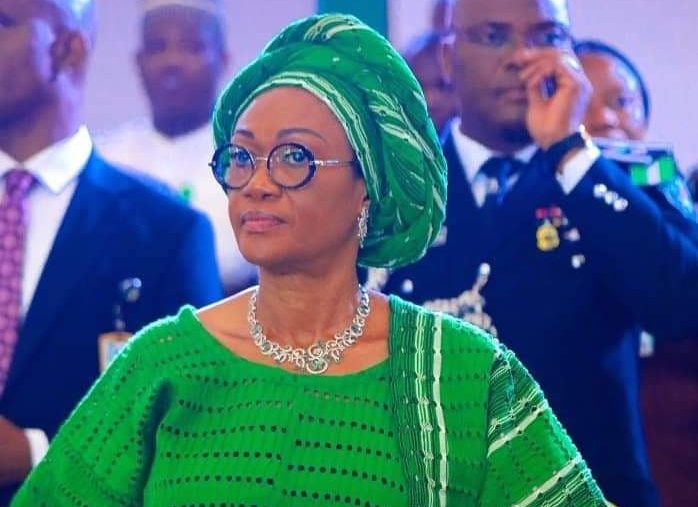
Trump described her as “a very respected woman,” noting her dual role in public service and ministry, and thanked her for attending the event.
Reacting to the recognition, Mrs Tinubu lamented what she described as a widening gap between how Nigerian leaders are perceived internationally and how they are treated within the country.
She said many citizens have been influenced by sustained negative narratives pushed by political interests, resulting in intolerance and hostility toward leaders.
She wrote that while Nigerian leaders often receive honour and respect outside the country, many Nigerians fail to appreciate them at home due to hatred and narratives “planted in their minds by political paymasters.”
The First Lady also criticised the culture of public ridicule and online attacks directed at leaders, warning that constant insults, mockery, and the amplification of their mistakes on social media weaken national unity and hinder progress.
According to her, Nigeria’s development depends on unity, mutual respect and collective responsibility, not persistent attacks on those in leadership.
She urged citizens to work with and support their leaders, stressing that national greatness is built through cooperation and shared purpose rather than division.
Her comments come at a time of renewed international attention on Nigeria, particularly over security concerns. In late 2025, the United States designated Nigeria a “country of particular concern” over alleged violence against Christians, a decision that sparked strong reactions from Nigerian authorities.
The Federal Government rejected the designation, insisting it was misleading and damaging to national cohesion, and maintained that Nigeria’s security challenges stem from terrorism and criminal activities affecting people across religious and ethnic lines.