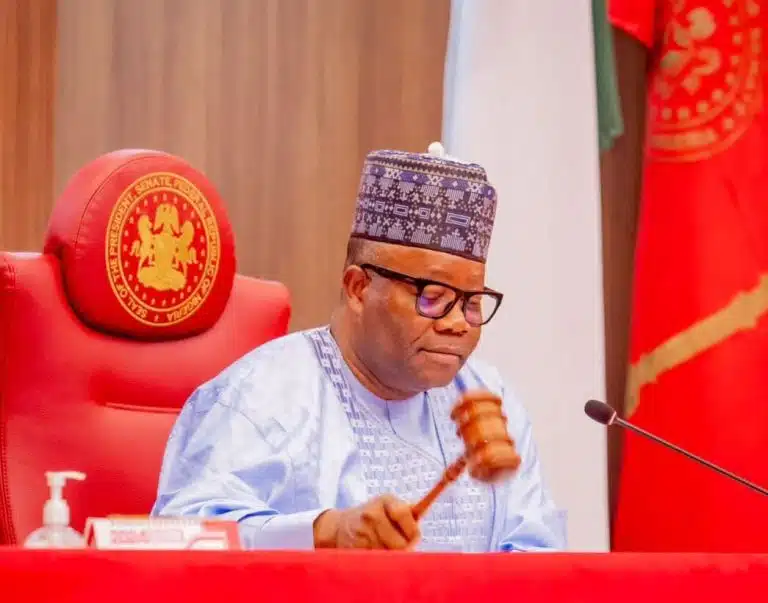
- Adeola noted that Nigeria’s debt burden has been worsened by high servicing costs and legacy obligations
- Dr Doris Nkiruka Uzoka-Anite, said borrowing must be tied directly to reforms and measurable outcomes
- He disclosed that the proposed 2026 budget estimates total expenditure at ₦58.47 trillion, against projected revenue of ₦33.19 trillion
Nigeria will continue to rely on borrowing to plug widening fiscal gaps, but lawmakers and economic stakeholders have warned that reckless borrowing and weak budget execution can no longer be tolerated.
Eko Hot Blog gathered that the warning was issued on Monday during a national public hearing on the 2026 Appropriation Bill held at the National Assembly.
EDITOR’S PICK
- ADC Requests INEC to Postpone FCT Area Council Elections
- Tope Alabi Welcomes Grandchild
- CBN to Introduce New Policy to Regulate Debit Card Issuance, ATM Operations
Chairman of the Senate Committee on Appropriations, Senator Solomon Adeola, said borrowing remains unavoidable due to persistent infrastructure gaps and unstable revenue inflows. However, he stressed that the focus must shift from the act of borrowing itself to how borrowed funds are sourced, managed, and utilised.
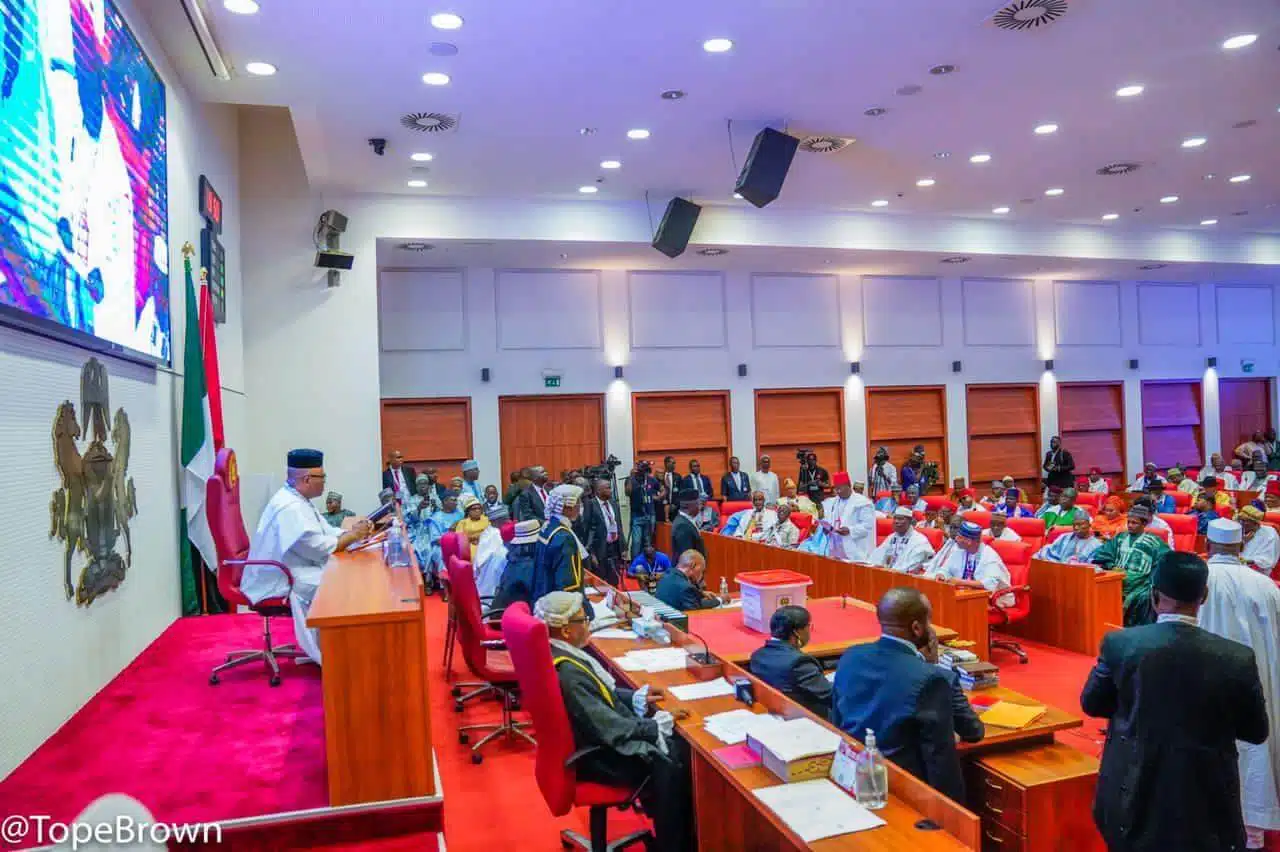
According to Adeola, government revenues fluctuate significantly, with some months falling short of projections and others exceeding expectations. What matters, he said, is ensuring that deficit financing is sustainable and that borrowed funds translate into tangible outcomes.
He explained that the Federal Government is deliberately reducing dependence on domestic borrowing to avoid crowding out private sector credit. Instead, it is pursuing a diversified financing strategy that includes external loans, asset optimisation, privatisation, Eurobond issuances, Public-Private Partnerships (PPPs), and infrastructure concessions.
Adeola noted that Nigeria’s debt burden has been worsened by high servicing costs and legacy obligations, particularly fuel subsidy payments in previous years, which were largely financed through borrowing.
“As former chairman of the Senate Committee on Finance, I can confirm that we budgeted as much as ₦7 trillion annually for fuel subsidies that effectively did not exist. Borrowing became inevitable. That cycle has now been broken,” he said, referencing President Bola Tinubu’s subsidy removal policy.
He disclosed that the proposed 2026 budget estimates total expenditure at ₦58.47 trillion, against projected revenue of ₦33.19 trillion, resulting in a deficit of ₦25.27 trillion. Debt servicing alone is expected to consume about ₦15.90 trillion.
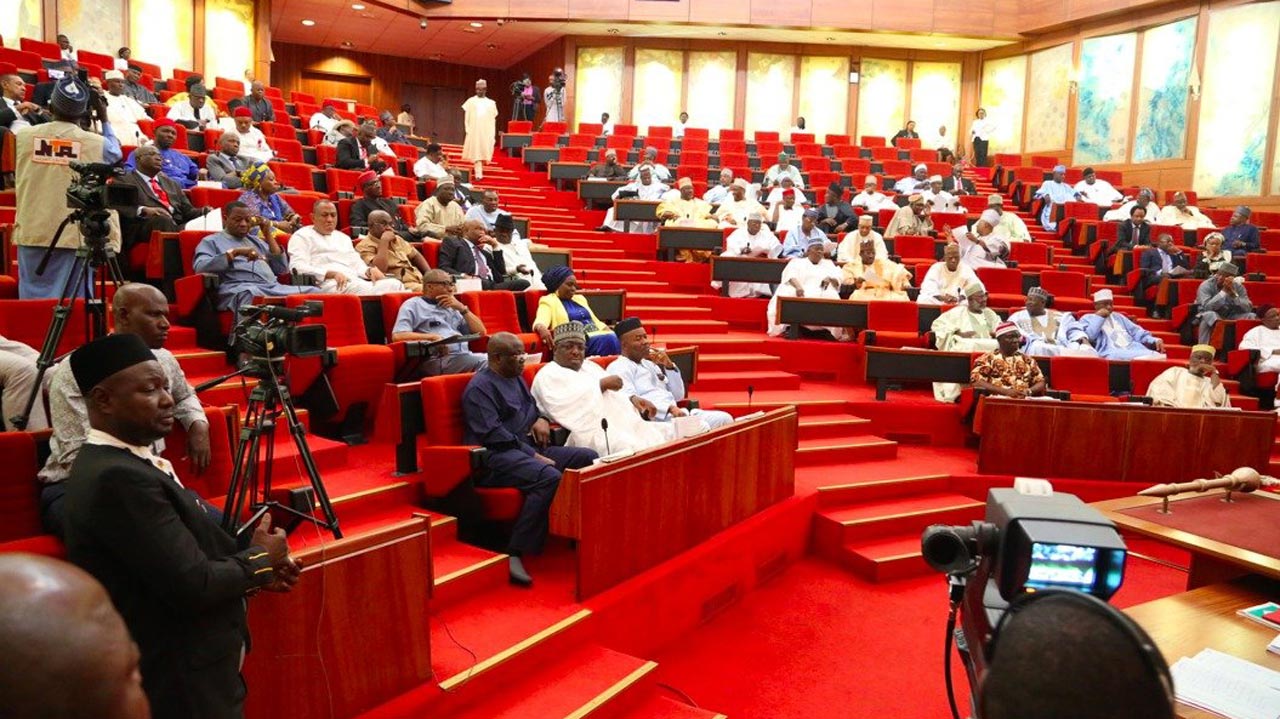
The lawmaker also declared that the National Assembly would no longer approve extensions of budget implementation timelines, insisting on stricter adherence to appropriation schedules and stronger legislative oversight.
“Budget extensions will no longer be entertained. We must enforce discipline in our budgeting process, strengthen coordination between policy formulation and execution, and ensure accountability,” Adeola said.
He further called for expanded use of PPPs, full removal of subsidies, and reforms in the electricity sector, including unbundling, to free up resources for national development.
Tagged the “Budget of Consolidation, Renewed Resilience and Shared Prosperity,” the 2026 budget is anchored on subsidy removal, tax reforms, public finance restructuring, and power sector reforms. Priority sectors include security, infrastructure, education, and health.
Adeola warned Ministries, Departments, and Agencies (MDAs) that failure to properly defend their budget proposals could result in reallocations by the National Assembly.
Minister of State for Finance, Dr Doris Nkiruka Uzoka-Anite, said borrowing must be tied directly to reforms and measurable outcomes, stressing that fiscal decisions should have visible impacts on households and businesses.
She acknowledged public frustration over rising living costs, describing Nigeria’s recovery as fragile despite improved investor confidence. While Nigeria’s debt-to-GDP ratio remains moderate, she said the cost of servicing debt remains a major concern.
Senate President Godswill Akpabio, represented by Deputy Senate President Senator Barau Jibrin, described the 2026 budget as both a moral and historical test for the country.
“Budgets are not mere administrative exercises. They reflect national priorities and values. A budget tells us who and what a nation chooses to protect and promote,” Akpabio said.
He warned that failure to ensure value for borrowed funds could damage Nigeria’s credit profile and erode investor confidence.
Similarly, Accountant General of the Federation, Shamseldeen Olujimi, called for a shift from allocation-based budgeting to impact-driven implementation.
“We have budgeted trillions over the years, yet Nigerians still ask where the roads, hospitals, jobs, and real impact are. The key question is how these allocations change lives,” he said.
Experts at the hearing cautioned that Nigeria’s growing deficit could become unsustainable without stronger fiscal discipline and realistic revenue projections. Economist Dr Olatilewa Adebanjo urged stricter enforcement of the Fiscal Responsibility Act, alleging significant revenue leakages, particularly in the mining and solid minerals sector.
Chief Commissioner of the Public Complaints Commission, Bashir Abubakar, also criticised the prevalence of abandoned projects, inflated contracts, and poor execution by MDAs, calling for tougher legislative oversight to rebuild public trust.
FURTHER READING