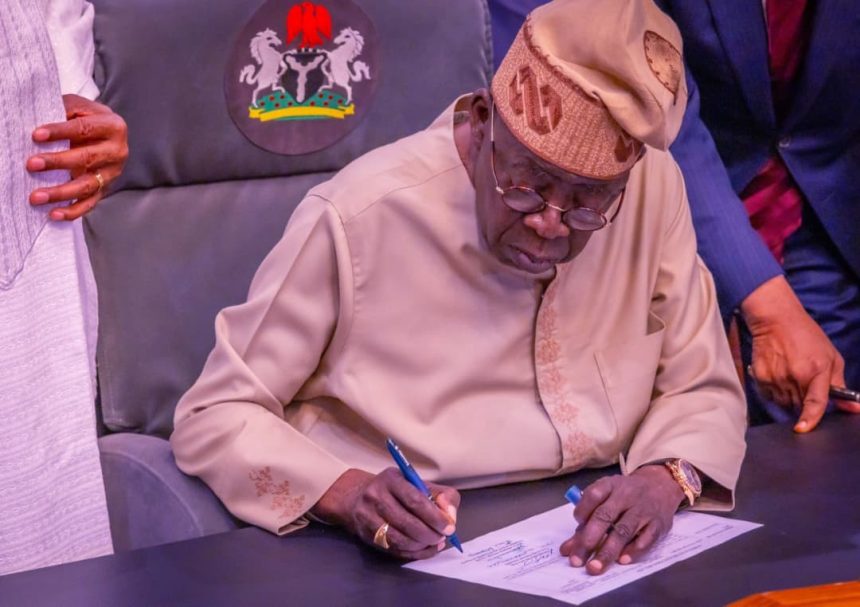
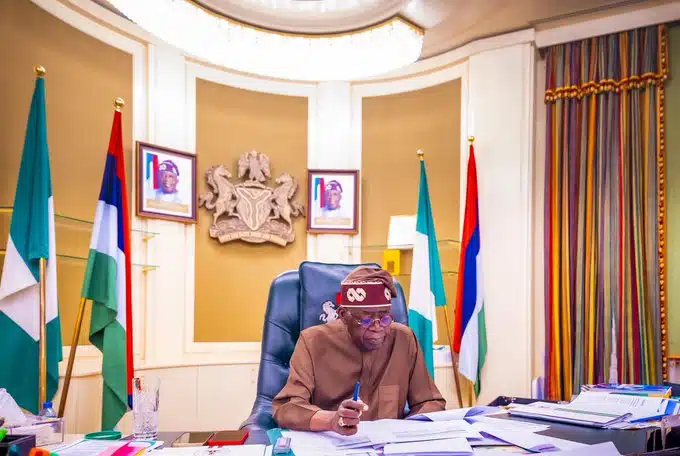
President Bola Tinubu has signed a landmark executive order that fundamentally restructures how Nigeria’s oil and gas revenues are managed.
Although the president’s spokesperson, Bayo Onanuga disclosed the order’s signature on Wednesday, February 18, it was signed last Friday, February 13, 2026.
EDITOR’S PICKS
The order strips the Nigerian National Petroleum Company Limited (NNPCL) of several longstanding powers to deduct money from oil revenues before they reach the Federation Account — the central pool from which the federal, state, and local governments draw funds. Here is everything you need to know.
EKO HOT BLOG explores details of the executive order.
What Problem Is the Order Trying to Fix?
At the heart of the order is a complaint that the 2021 Petroleum Industry Act (PIA) created too many channels through which oil revenues could be siphoned away before reaching the Federation Account. The federal government argues that these deductions have caused a continuing decline in net oil revenue and that they far exceed what is practised in other oil-producing countries.
Under the PIA framework, NNPCL was entitled to retain 30 per cent of profit oil and profit gas from Production Sharing Contracts as a management fee. On top of that, the company kept another 20 per cent of its profits as working capital and a further 30 per cent as the Frontier Exploration Fund — money earmarked for speculative oil exploration.
The Tinubu administration contends that these layers of deductions effectively diverted more than two-thirds of potential revenue away from the Federation Account, starving the three tiers of government of funds urgently needed for security, education, healthcare, and energy transition.
The order also targets the Midstream and Downstream Gas Infrastructure Fund (MDGIF), which was funded by gas flaring penalties. The government argues this fund duplicates the Environmental Remediation Fund already established under Section 103 of the PIA, which serves the same purpose of supporting communities affected by gas flaring.
What Exactly Has the Order Changed?
The executive order introduces several concrete changes with immediate effect from 13 February 2026. NNPCL will no longer be entitled to the 30 per cent management fee on profit oil and profit gas revenues — that money must now go directly to the Federation Account. The company also loses its right to collect and manage the 30 per cent Frontier Exploration Fund; those funds must similarly be transferred to the Federation Account.
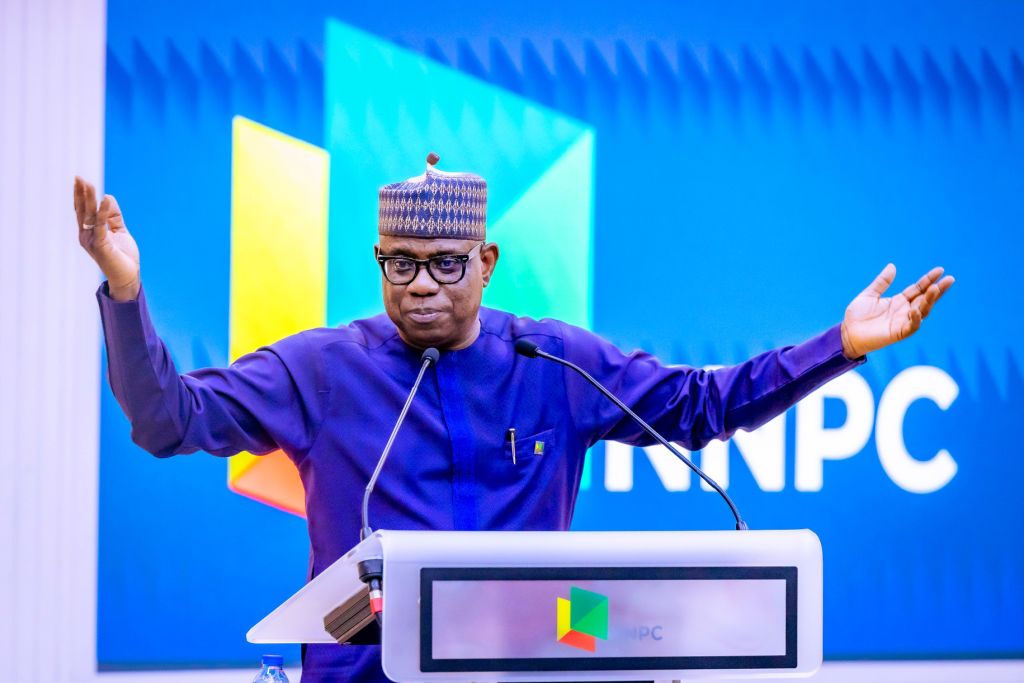
Crucially, all operators and contractors of oil and gas assets held under production sharing contracts are now required to pay Royalty Oil, Tax Oil, Profit Oil, Profit Gas, and any other government-due revenues directly into the Federation Account, bypassing NNPCL entirely. Payments of gas flaring penalties into the MDGIF have also been suspended; those proceeds will instead flow into the Federation Account, with any spending from the existing fund subject to standard public procurement rules.
The order also repositions NNPCL strictly as a commercial enterprise, removing its role as a concessionaire in Production Sharing Contract arrangements — a role the government says created conflicts of interest, since NNPCL could influence operating costs while simultaneously functioning as a commercial player.
What Happens Next?
President Tinubu has established an implementation committee to oversee the rollout of the order.
The committee is chaired by the Minister of Finance and Coordinating Minister of the Economy and includes the Attorney-General of the Federation, the Minister of Budget and National Planning, the Minister of State for Petroleum Resources (Oil), the Chairman of the Nigeria Revenue Service, and the Special Adviser to the President on Energy. The Budget Office of the Federation will serve as the secretariat.
Beyond the immediate order, the President has signalled a broader review of the Petroleum Industry Act itself. The administration says it will consult with relevant stakeholders to address what it describes as fiscal and structural anomalies embedded in the law. A joint project team has also been approved to manage integrated petroleum operations, with the Nigerian Upstream Petroleum Regulatory Commission (NUPRC) serving as the interface between the government and licensees.
FURTHER READING
The reforms carry significant implications for Nigeria’s public finances. With the federation’s three tiers of government set to receive substantially more from oil revenues, the order could ease pressure on the national budget, improve debt sustainability, and free up resources for social spending — provided the changes are enforced as planned.
Philip Ibitoye is a Special Correspondent with EKO HOT BLOG. Click here to find daily analysis and critical insight on trending issues in Lagos and other parts of Nigeria.
Click to watch the video of the week below: