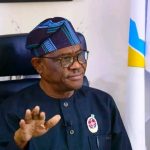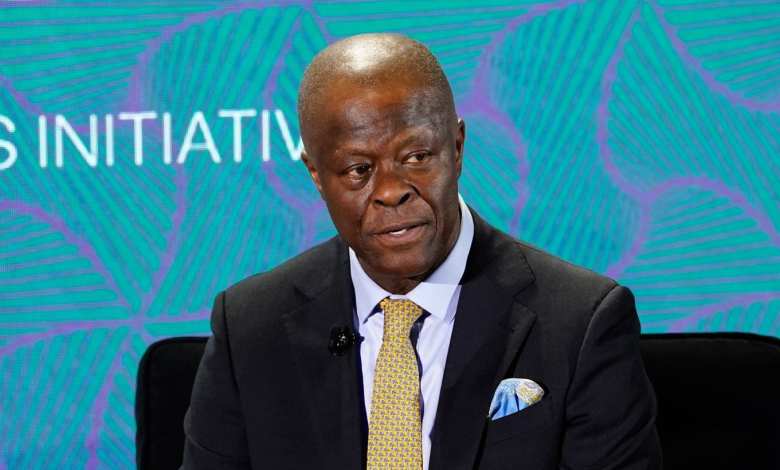
Nigeria is set to begin selling state-owned assets to private investors this year, according to Minister of Finance Wale Edun.
He made the disclosure in an interview with Bloomberg at the AlUla Conference for Emerging Market Economies in Saudi Arabia on Monday.
EDITOR’S PICKS
Whilst he was tight-lipped about which assets will be sold, the move marks a significant shift in economic policy that has sparked both hope and controversy.
The planned asset sales form part of President Bola Tinubu’s broader economic reforms launched in May 2023, which included removing petrol subsidies, liberalising the currency, and overhauling tax laws. These measures have helped stabilise the naira and boost government revenue, with the economy projected to grow 4.4% in 2026, up from an estimated 4.2% in 2025, according to the International Monetary Fund (IMF).
“What we have put in place has made Nigeria very competitive in terms of the economic conditions and very attractive in terms of the incentives for investors,” Edun said. “I think investors are now more comfortable to invest in Nigeria.”
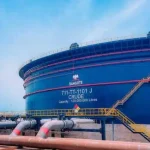
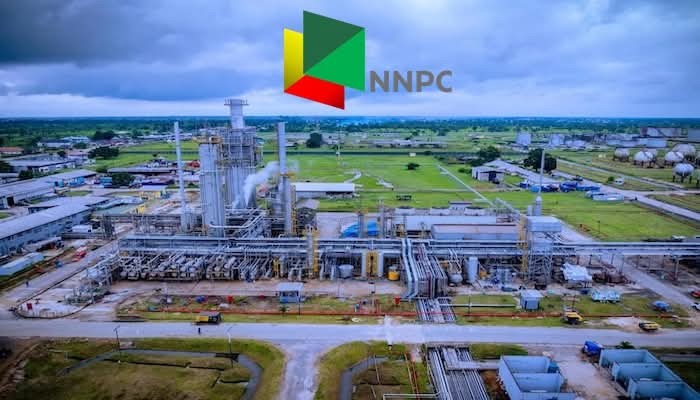
However, it remains unclear what assets will be sold. The government has not specified which state enterprises will be offered to private investors, though ongoing talks with a Chinese firm and other investors about operating Nigeria’s refineries suggest these long-troubled facilities may be prime candidates. The refineries in Port Harcourt, Warri, and Kaduna haven’t worked properly for decades, despite billions of dollars spent on rehabilitation efforts.
A Familiar but Controversial Path
The proposed asset sales echo a long-running debate in Nigerian politics. Former Vice President Atiku Abubakar has been a vocal advocate of privatisation for years, particularly of the Nigerian National Petroleum Corporation Limited (NNPCL). During his 2019 presidential campaign, he faced fierce criticism from the ruling All Progressives Congress (APC) for proposing to privatise the NNPC, which he described as a “mafia organisation.”
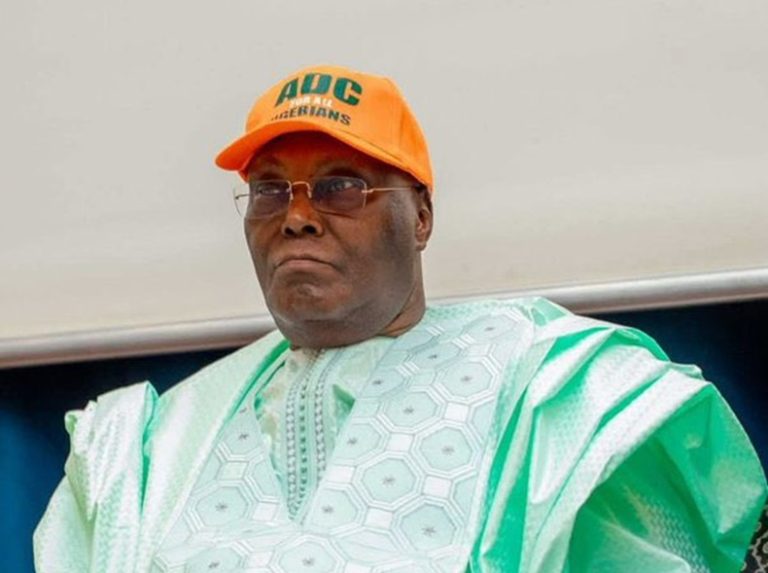
The APC-led government denigrated Atiku for his “patriotic vision” at the time. Yet the same government later took tentative steps towards commercialising the NNPC, transitioning it into NNPC Limited in 2022.
“For years, I advanced this patriotic position and was vilified and accused of plotting to sell public assets to ‘friends’,” Atiku said on Sunday, after the NNPC admitted that the $1.5 billion spent rehabilitating the Port Harcourt Refinery had been wasted.
After gulping $1.5bn, the Nigerian National Petroleum Company Limited has now admitted that reopening the Port Harcourt Refinery is a waste of scarce resources. This belated admission validates my long-held position that Nigeria’s refineries should be privatised.
It is…
— Atiku Abubakar (@atiku) February 8, 2026
The criticism Atiku faced illustrates the political sensitivity surrounding asset sales in Nigeria. Labour unions and many politicians have historically opposed privatisation, arguing that previous exercises mainly benefited a privileged few rather than ordinary Nigerians. When billionaire businessman Aliko Dangote suggested selling national assets during the 2016 recession, labour unions warned they would resist any such moves.
Lessons from Previous Attempts
Nigeria has attempted privatisation before, with mixed results. The country sold power-generation and distribution assets in 2013 and state telecom operator Nitel in 2015. Whilst some sales succeeded, others raised questions about transparency and whether assets were sold to the right investors at fair prices.
The refineries present a particularly compelling case for privatisation. Despite decades of “turnaround maintenance” programmes that consumed billions of dollars, none of Nigeria’s state-owned refineries has operated at optimal capacity for any sustained period. The facilities continue paying billions in salaries whilst producing little to no petrol, raising questions about the wisdom of continued public ownership.
The government’s current approach emphasises private-public partnerships and “optimisation of our assets by having others come in and invest,” according to Edun. This suggests a more cautious strategy than outright sales, potentially addressing some concerns about transparency whilst still attracting private capital and expertise.
What’s at Stake
The success or failure of these asset sales will likely depend on three key factors: which assets are sold, to whom they are sold, and at what price. The government’s emphasis on making Nigeria “very competitive” and “very attractive” to investors suggests its recognises the importance of getting these details right.
If managed well, privatisation could bring much-needed capital and expertise to underperforming state enterprises, boost economic growth, and free up government resources for other priorities. The projected 4.4% GDP growth for 2026 suggests confidence that the broader reform programme is working.
FURTHER READING
However, if the sales process lacks transparency or assets end up in the wrong hands, it could create new problems. The government must learn from past mistakes and ensure any asset sales genuinely serve the national interest rather than benefiting a select few.
Philip Ibitoye is a Special Correspondent with EKO HOT BLOG. Click here to find daily analysis and critical insight on trending issues in Lagos and other parts of Nigeria.
Click to watch the video of the week below: