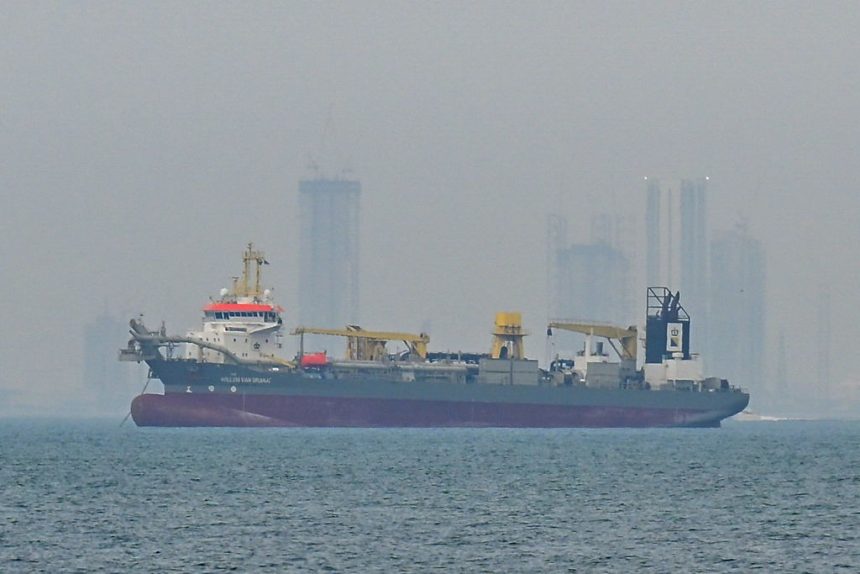
In the days before the conflict escalated, Brent crude traded close to 73 dollars per barrel. Within a short period, the price climbed above 84 dollars, moved into the 90 dollar range, and by early March surged past 117 dollars, briefly approaching about 119 dollars during trading.
EDITOR’S PICK
- Why Return of Lagos Monthly Sanitation Exercise is Long Overdue
- Four Killed as Truck Crashes Into Bus on Lekki–Epe Expressway
- Uzodimma: Tinubu Reforms Prevent Fuel Crisis
At its entrance and exit, the Strait of Hormuz is about 50 kilometres wide, narrowing to roughly 33 kilometres at its tightest point, yet it is deep enough to accommodate the world’s largest crude oil tankers. This makes it the primary route for oil exports from the Gulf region, with millions of barrels of oil passing through daily from major producers including Saudi Arabia, Iraq, Kuwait, Qatar, and the UAE.
The Strait, a narrow sea passage linking the Persian Gulf to the Arabian Sea, lies between Iran to the north and Oman and the United Arab Emirates to the south. Despite its relatively small size, it is one of the most important energy routes in the world, carrying around one-fifth of global oil and gas supplies each day.
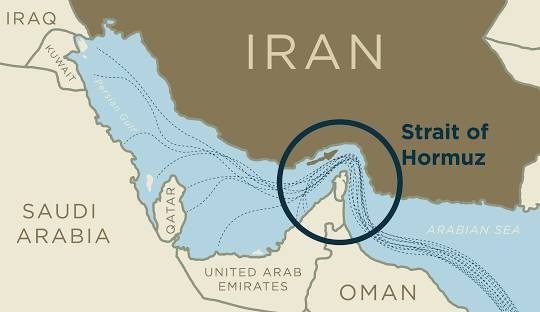
According to estimates from the U.S. Energy Information Administration, roughly 20 million barrels of crude oil traverse the strait daily, along with a significant portion of the liquefied natural gas trade.
Under normal circumstances, oil shipments from countries such as Saudi Arabia, Iraq, Kuwait and Qatar pass through the strait on their way to international markets, especially in Asia. However, recent attacks on energy facilities in the Gulf and security threats around shipping lanes have disrupted maritime traffic. Export operations have also been affected, with Qatar’s state energy company, QatarEnergy, announcing force majeure on some liquefied natural gas shipments.
Analysts say that if the disruption continues, oil prices could climb even higher. Financial institutions, including JPMorgan Chase, have warned that Brent crude could approach 120 dollars per barrel if the flow of oil through the Strait of Hormuz remains uncertain.
Impact on Nigeria’s Economy
For Nigeria, the situation presents both opportunities and challenges. Higher global oil prices usually translate into stronger export earnings for the country since Nigerian crude is priced against international benchmarks.
Nigeria’s 2026 federal budget, for example, was built on a benchmark of about 64.85 dollars per barrel and a production estimate of 1.84 million barrels per day. With prices now well above that level, government revenues from oil exports could rise significantly.
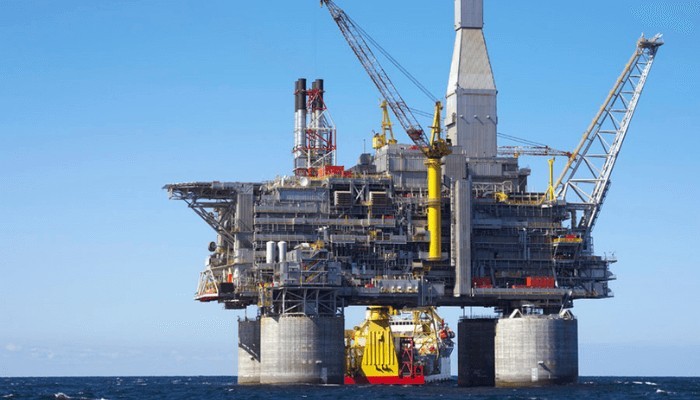
Research by CardinalStone Research suggests that Nigerian oil producers may record revenue growth ranging from about 12 per cent to over 50 percent depending on average oil prices during the year.
Nigerian crude grades such as Bonny Light are linked to Brent prices, meaning that supply disruptions in distant regions can still increase the value of every barrel Nigeria sells.
However, the benefits may not be as large as they appear. Nigeria does not always capture the full value of rising oil prices, especially when production falls below official targets or when costs and revenue-sharing arrangements are taken into account. The result is that the country gains from higher prices but not as dramatically as many expect.
Rising Fuel Costs at Home
While higher crude prices can increase government earnings, they also raise fuel costs domestically. Nigeria still relies partly on imported refined petroleum products, and global price increases quickly filter into the local market.
The Dangote Petroleum Refinery recently increased its ex-depot price for petrol from about 774 naira per litre to 874 naira, before raising it again to nearly 995 naira within days. At stations operated by Nigerian National Petroleum Company Limited, pump prices in cities such as Abuja moved close to 960 naira per litre, with some outlets crossing the 1000 naira mark.

Figures from the Nigerian Midstream and Downstream Petroleum Regulatory Authority show that the Dangote refinery supplied roughly 61 per cent of petrol consumed in Nigeria in early 2026, while imports accounted for the remaining share. Although local refining capacity has improved, the country is still exposed to global energy market shocks.
Higher fuel prices affect nearly every part of the economy. Transport costs rise, food distribution becomes more expensive, and businesses that rely on generators for electricity face higher operating expenses. These pressures eventually feed into inflation and reduce household purchasing power.
The situation also places policymakers in a difficult position. The Central Bank of Nigeria must manage rising inflation while trying to sustain economic growth. If energy prices continue to climb, the country could face a period where government revenues improve but economic activity slows because of higher living costs.
For Nigeria, the current crisis in the Gulf is therefore both a temporary opportunity and a warning. Rising oil prices may strengthen public finances in the short term, but without careful fiscal management and deeper economic reforms, the country could once again miss the chance to convert an oil windfall into lasting economic stability.
FURTHER READING