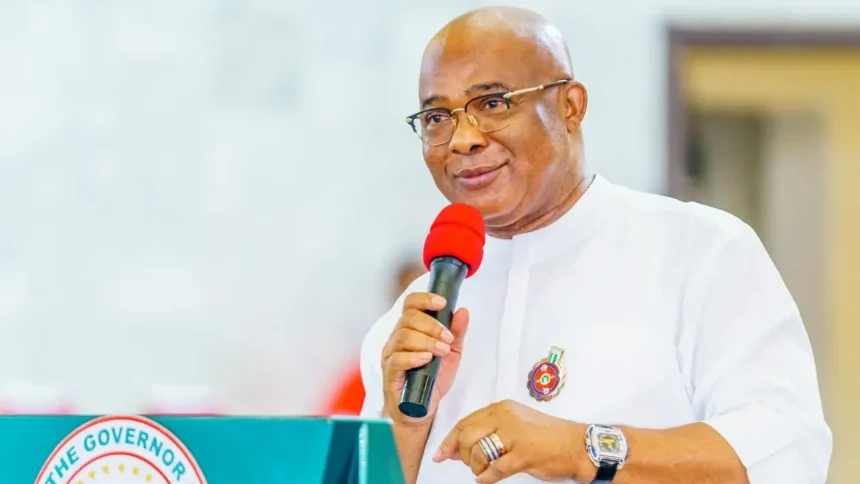
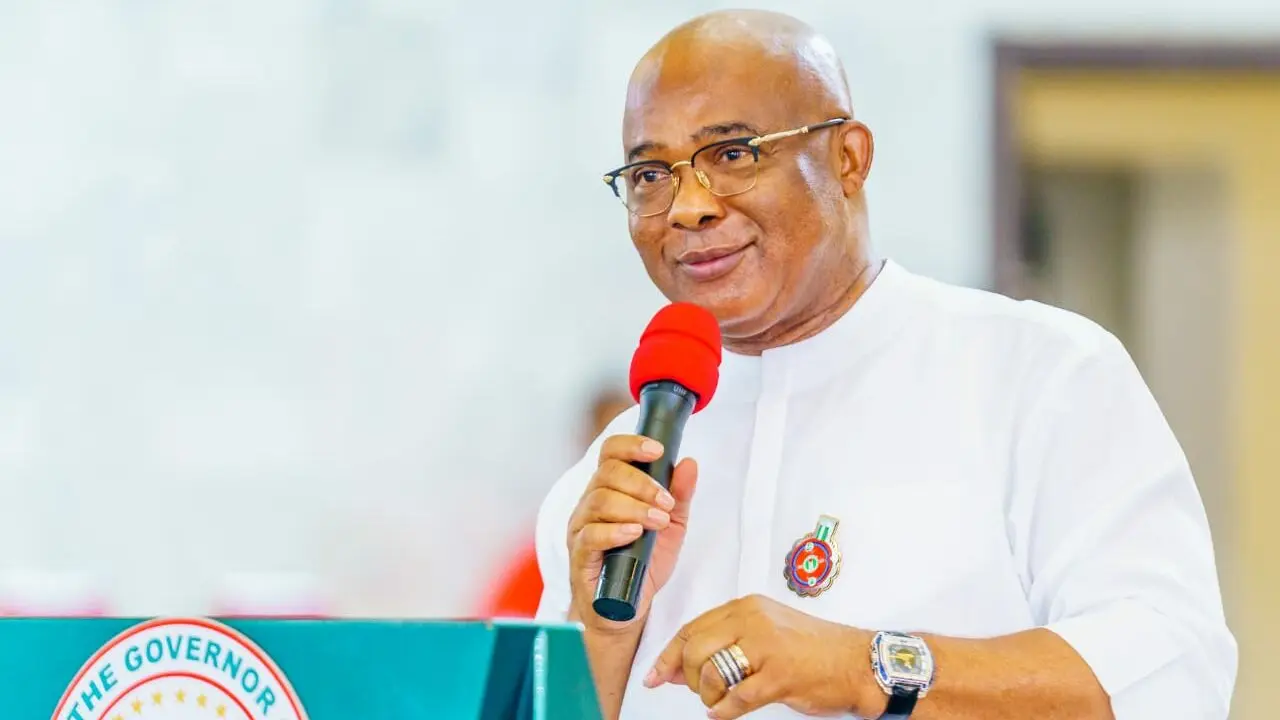
- Uzodimma made the remarks while receiving members of the City Boy Movement at the Government House in Owerri over the weekend
- According to the governor, Nigeria’s economy was in a fragile state before Tinubu assumed office in 2023
- Uzodimma added that the international community is beginning to recognise signs of economic recovery in Nigeria
The Governor of Imo State, Hope Uzodimma, has stated that the economic policies introduced by Bola Ahmed Tinubu have helped Nigeria avoid a possible fuel crisis linked to the ongoing tensions in the Middle East.
Eko Hot Blog gathered that Uzodimma made the remarks while receiving members of the City Boy Movement at the Government House in Owerri over the weekend.
EDITOR’S PICK
- “Pay Her Transport Fare Too”, Pete Edochie Stirs Debate on Dating Expenses
- Epe Students Parliament Declares Executive Seats Vacant Over Inauguration Dispute
- Osimhen Warns Galatasaray Ahead of Liverpool Match
His comments come as global fuel prices continue to rise due to instability in the Middle East, particularly disruptions affecting the Strait of Hormuz, a vital maritime route between Iran and Oman.
The narrow channel connects the Persian Gulf to the Gulf of Oman and serves as one of the most important oil transport routes in the world, carrying about 20 percent of global petroleum supplies daily.
Tensions escalated after military operations by Israel and the United States against Iran reportedly triggered retaliatory actions that disrupted shipping along the strategic waterway.
Despite the global uncertainty, Uzodimma said Nigeria has been largely protected from severe fuel shortages and dramatic price hikes due to economic reforms implemented by the Tinubu administration.
According to the governor, Nigeria’s economy was in a fragile state before Tinubu assumed office in 2023, but the policy changes introduced since then have helped strengthen economic stability.
He noted that although speculation around the Middle East crisis has driven fuel prices higher globally, Nigeria has managed to maintain relative stability, particularly in its currency value.
Uzodimma explained that while some African currencies have weakened against the United States dollar, the Nigerian naira has remained comparatively steady.
He attributed this stability partly to the removal of fuel subsidies, which he said had eased pressure on government finances and the foreign exchange market.
The governor also praised the subsidy removal policy for enabling businesses such as the Dangote Refinery to purchase crude oil using the naira rather than foreign currency.
Uzodimma added that the international community is beginning to recognise signs of economic recovery in Nigeria.
During the visit, the governor hosted a delegation from the City Boy Movement led by its patron, Seyi Tinubu, alongside the Minister of Youth Development, Ayodele Olawande.
He described their visit to Imo as a symbolic “homecoming” and praised the group’s efforts to empower young Nigerians and encourage them to prepare for future leadership roles.
Uzodimma also commended the movement’s humanitarian activities, particularly its outreach to vulnerable people receiving treatment in hospitals.
Highlighting what he described as progress in infrastructure development and improved political stability in the South-East, the governor urged members of the movement to help promote the administration’s Renewed Hope agenda across their communities.
He assured the delegation that his government would continue to support the activities and initiatives of the youth group.
FURTHER READING