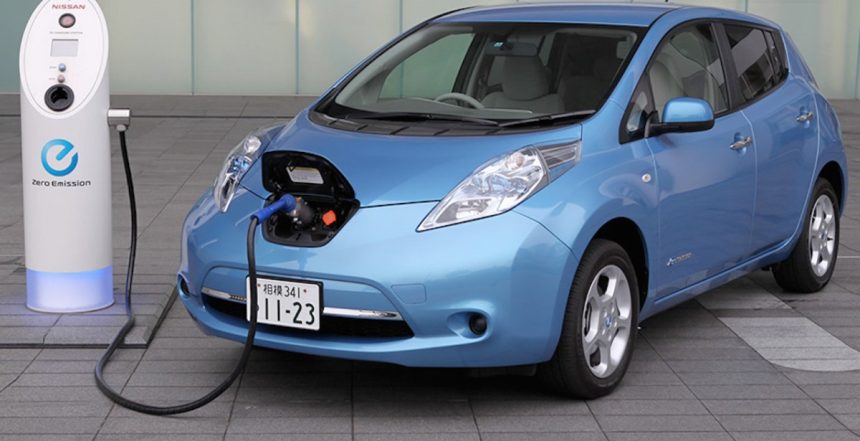
- Can Electric Cars Solve Nigeria’s Fuel and Transport Crisis?
Nigeria’s transportation system has long depended on petrol and diesel, but recent global tensions and rising fuel costs are forcing policymakers and citizens to rethink the future of mobility.
EDITOR’S PICKS
- Governor Ahmadu Fintiri Defects To APC As Atiku’s Son Refuses To Dump PDP
- Should Governors Have To Join Ruling Party for ‘Greater Federal Support’?
- FEDSA National Pays Courtesy Visit to Lekki LCDA Chairman, Applauds Free JAMB Initiative
As conflicts in the Middle East continue to influence global oil markets, many countries are accelerating the shift to electric vehicles. The question now emerging is whether electric cars could eventually become a practical solution for everyday transportation in Nigeria.
Fuel prices in Nigeria have remained unstable in recent years, partly due to global geopolitical tensions affecting oil supply chains. The situation worsened as international conflicts pushed energy prices upward, placing additional pressure on countries that rely heavily on petrol powered transportation.
Nigeria consumes tens of millions of litres of petrol daily, with national consumption recently estimated at about 56.9 million litres per day, this shows how deeply fuel powers the country’s transport system.
Globally, however, the shift toward electric mobility is accelerating. Data shows that 20.7 million electric vehicles were sold worldwide in 2025, representing a 20 percent increase from the previous year.
Electric vehicles now account for nearly a quarter of new light duty vehicles sold globally, indicating that the transition away from petrol powered cars is gaining strong momentum.
Europe is one of the regions leading this transition.
Electric cars made up about 19 percent of new car sales across the European Union and Norway in 2025, rising significantly from the previous year as prices gradually declined and more affordable models entered the market.
Policies aimed at reducing carbon emissions have also pushed manufacturers to invest heavily in electric vehicles and compete on price.
These policies could even lead to price parity between electric vehicles and petrol cars by around 2030 if current trends continue.
Beyond environmental goals, economics is also driving the transition. Electric vehicles generally have lower running costs than traditional cars because they require less maintenance and do not rely on petrol.
In countries where electricity supply and charging infrastructure are well developed, EVs are already becoming a cheaper option for daily commuting.
For Nigeria, however, the road to widespread adoption may be more complicated. The country still struggles with electricity supply shortages and almost no charging infrastructure.
Electric vehicles would require a reliable power grid, charging networks in cities, and supportive policies such as tax incentives or reduced import duties.
Despite these challenges, some analysts argue that Nigeria could benefit significantly from the long term transition. Electric cars could reduce dependence on imported refined fuel, lower transportation costs for urban commuters, and reduce pollution in crowded cities like Lagos and Abuja.
In addition, Nigeria’s growing renewable energy sector could eventually support electric mobility if investments in solar and battery storage expand.
While electric vehicles may not immediately replace petrol powered cars in Nigeria, global trends suggest the shift is inevitable.
With the right infrastructure, policies, and investment, electric vehicles could gradually become part of Nigeria’s transportation system, helping reduce fuel consumption and stabilise transportation costs in the future.
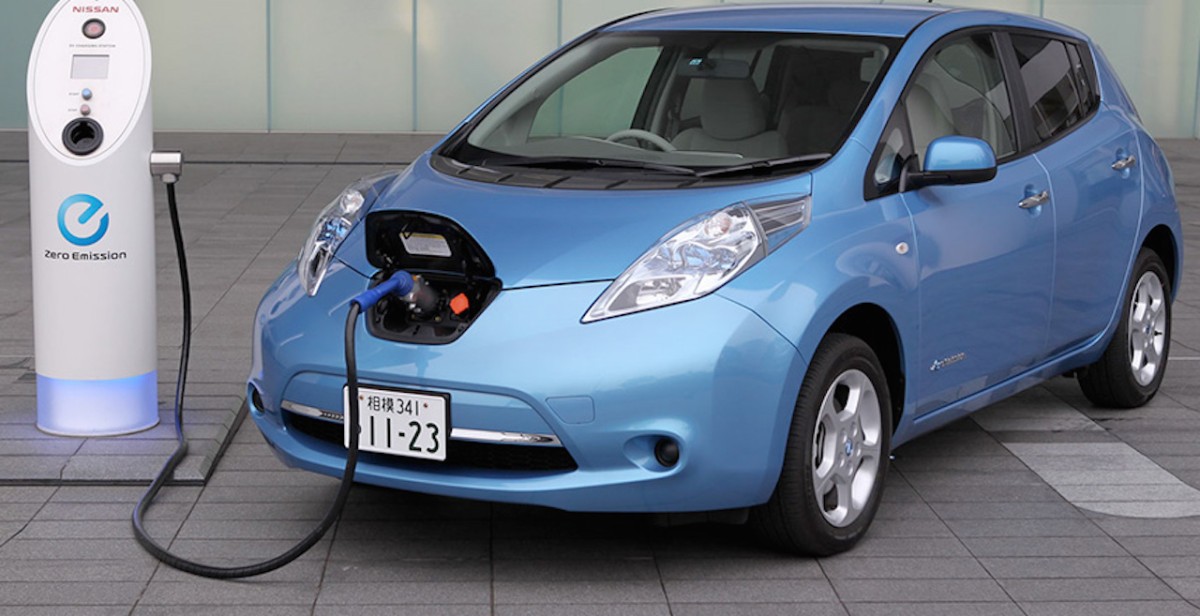
For now, the debate continues. But as the world moves steadily toward electrified transport, Nigeria may soon face a critical choice about how it powers the vehicles that keep its economy moving.