Humans usually become infected through exposure to rodent urine or feces, or by direct contact with the body fluids of infected persons.
Since its discovery, Lassa fever has become endemic in Nigeria, particularly in the northern and central states. The Nigeria Centre for Disease Control (NCDC) reports annual outbreaks, with peak transmission typically between January and May, coinciding with the dry season when rodents invade homes in search of food.
EDITOR’S PICK
- ADC Requests INEC to Postpone FCT Area Council Elections
- Tope Alabi Welcomes Grandchild
- CBN to Introduce New Policy to Regulate Debit Card Issuance, ATM Operations
Recent years have seen an increase in case numbers and fatalities, highlighting ongoing challenges in public awareness, surveillance, and healthcare responses.
The National Lassa Fever Technical Working Group, in its most recent situation reports for epidemiological weeks 2 and 3 of 2026, has confirmed a growing number of cases across several states, raising alarm among health officials and the public.
UNDERSTANDING THE DISEASE
Lassa fever is a severe viral infection that presents initially with symptoms often mistaken for malaria or other common illnesses. According to the Nigeria Centre for Disease Control (NCDC), a suspected case is defined as anyone showing symptoms such as fever, malaise, headache, sore throat, cough, nausea, vomiting, diarrhea, myalgia, chest pain, or hearing loss, combined with either exposure to rodent excreta or contact with a confirmed case within 21 days of symptom onset. Individuals experiencing unexplained bleeding are also considered suspected cases.
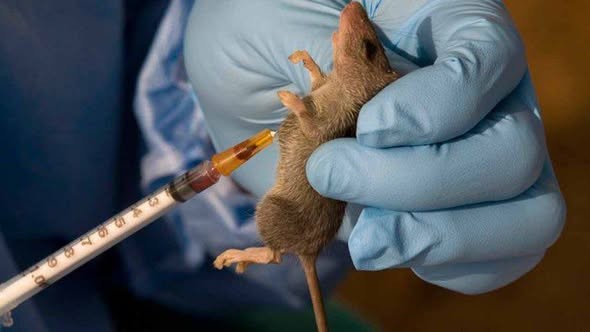
Cases are confirmed through laboratory testing, including the detection of positive IgM antibodies, PCR, or virus isolation. Probable cases include suspected cases that die or abscond before testing. Anyone exposed to infected secretions or tissues within three weeks of contact is regarded as a contact. The Case Fatality Rate (CFR) is calculated only for confirmed cases.
CURRENT SIYUATION AND RISK
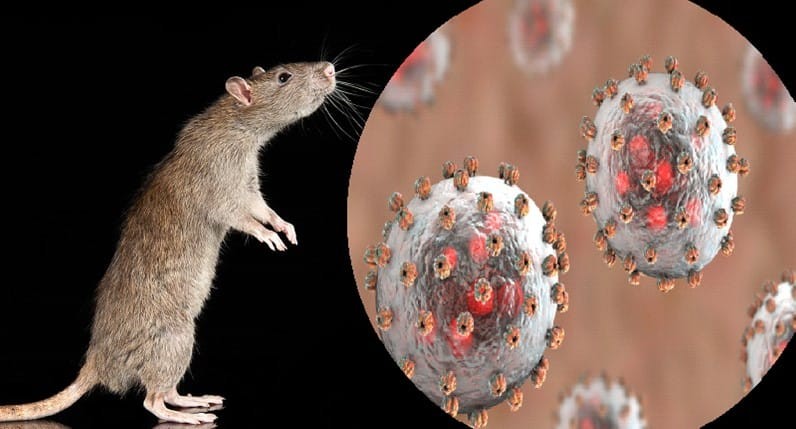
Health authorities have warned Nigerians to exercise extreme caution, particularly in households where rodents may enter through holes or unsecured openings. “For every hole in your house, because if that rat enters your house, you don’t know what it’s going to touch. You don’t know if it’s going to infect your children or contaminate your food,” a public health expert explained in a recent advisory.
The NCDC has emphasized that individuals who develop persistent fever unresponsive to malaria medication or antibiotics, accompanied by unusual weakness or sore throat, should seek immediate medical attention. “This particular disease causes fever, but the kind of fever that causes you start bleeding from everywhere. It’s a viral hemorrhagic fever,” the expert cautioned.
PREVENTION AND PUBLIC AWARENESS
Public health officials are urging Nigerians to prioritize hygiene, seal homes against rodent entry, and promptly report suspected cases. Sharing information on social media and within communities is also being encouraged as a life-saving measure.
The resurgence of Lassa fever underscores the persistent challenges Nigeria faces in containing viral outbreaks, particularly in rural areas where rodent exposure is higher. Authorities continue to call for community cooperation, rapid medical response, and awareness campaigns to curb the spread and minimize fatalities.
With cases on the rise, vigilance and prompt action remain critical. As the NCDC reiterates, early detection and proper medical care are key to reducing the deadly impact of this disease.
FURTHER READING