- However, the recovery process is expected to take time due to the fragile condition of the country’s energy system
- But those shipments stopped earlier this year after political developments involving Venezuelan President Nicolás Maduro
- Cuban President Miguel Díaz-Canel said the country has not received any oil deliveries in the past three months
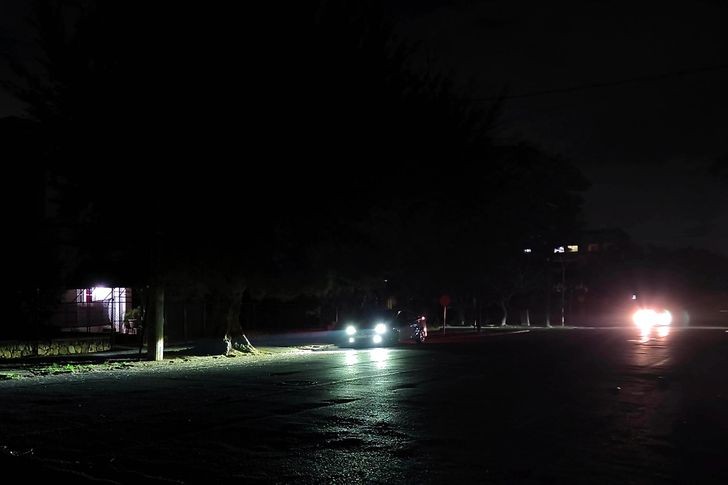
Millions of people in Cuba were left without electricity after the country’s national power grid collapsed on Monday, according to the state electricity operator.
Eko Hot Blog gathered that the outage is the latest in a series of major blackouts affecting the Caribbean nation.
EDITOR’S PICK
- Why Return of Lagos Monthly Sanitation Exercise is Long Overdue
- Four Killed as Truck Crashes Into Bus on Lekki–Epe Expressway
- Uzodimma: Tinubu Reforms Prevent Fuel Crisis
Officials from Cuba’s power company, UNE, said efforts are underway to gradually restore electricity to provinces and major cities across the island.
However, the recovery process is expected to take time due to the fragile condition of the country’s energy system.
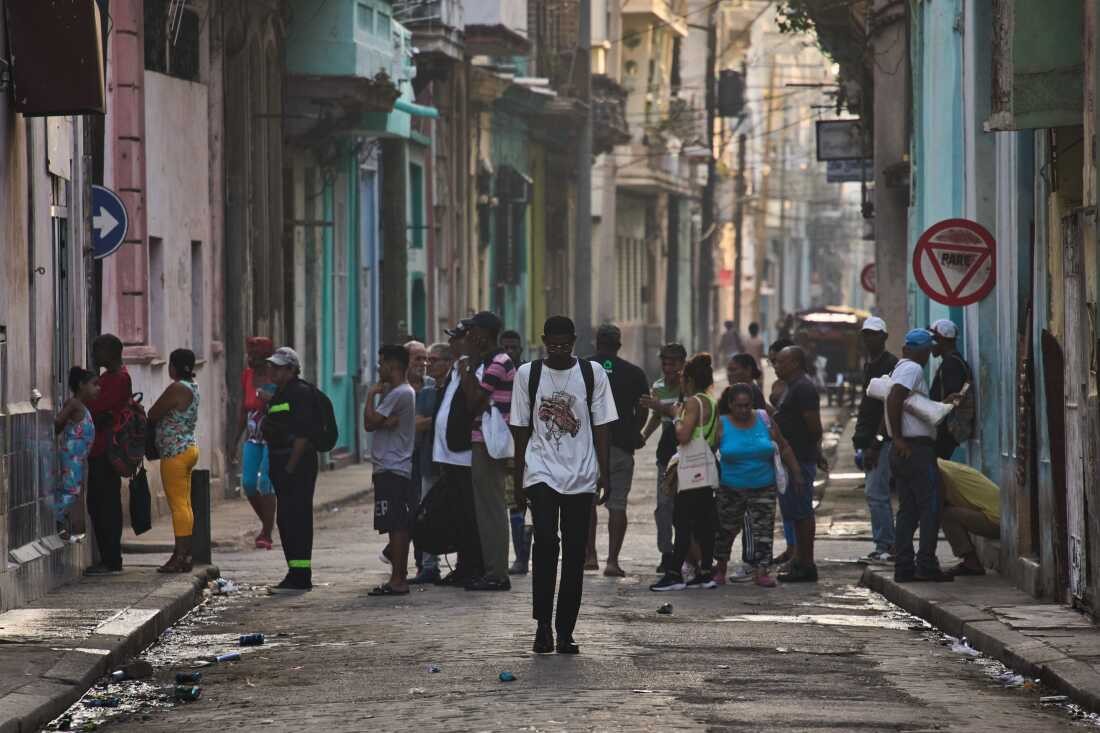
The island nation, which has a population of about 10 million people, has struggled with frequent power cuts in recent years. These outages have become a major source of frustration for citizens and have occasionally led to rare public protests.
Cuba relies heavily on imported fuel to generate electricity. For years, Venezuela supplied a large share of the island’s oil needs, estimated at roughly 35,000 barrels per day, which covered about half of Cuba’s consumption.
But those shipments stopped earlier this year after political developments involving Venezuelan President Nicolás Maduro.
The situation has been worsened by increasing pressure from the United States. Washington has intercepted several oil shipments destined for Cuba and warned that countries exporting oil to the island could face tariffs.
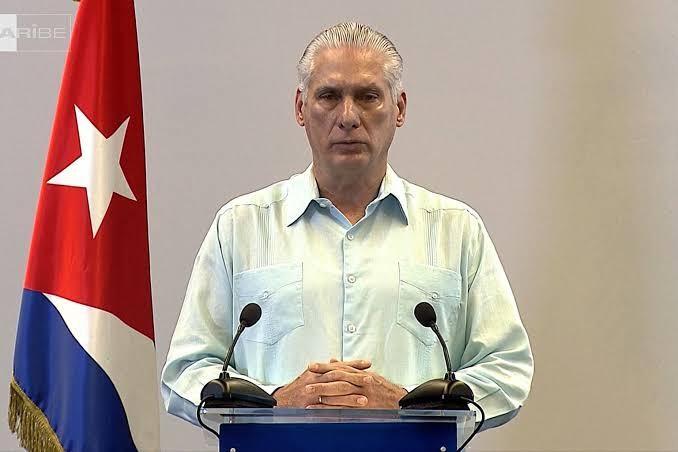
Cuban President Miguel Díaz-Canel said the country has not received any oil deliveries in the past three months.
Amid the crisis, US President Donald Trump made controversial remarks at the White House, saying the United States could potentially “take” Cuba, describing the country as weak.
His comments follow earlier statements suggesting a possible “friendly takeover” of the island, which has been at odds with Washington since Fidel Castro led a revolution that toppled a US-backed government in 1959.
Despite the tensions, Díaz-Canel recently confirmed that his government has begun preliminary talks with the Trump administration in an attempt to ease diplomatic differences.
Power shortages, driven by fuel scarcity and an aging electricity infrastructure, have repeatedly sparked unrest in Cuba. In the city of Morón last week, protesters stormed a Communist Party building following demonstrations over rising food costs and persistent blackouts.
Many residents say the outages have become a part of daily life. One woman in Havana told Reuters she was not surprised by the latest blackout, saying people are increasingly accustomed to living with frequent power failures.
FURTHER READING