For decades, this doctrine has been presented as unquestionable truth, something believers must hold onto even at the risk of their lives. So when that same doctrine begins to shift, soften, or get reinterpreted, you can’t help but ask what really changed.
EDITOR’S PICK
- NYSC LGI Arrested Over Death of Female Corps Member in Ogun
- Tinubu Promotes Nigeria’s Economy, Culture at London Event
- Teenager Shot Dead by Suspected Cultists in Lagos
The conversation feels even more real and painful when you bring it home to Lagos. A breast cancer patient, Mensah Omolola, popularly known on X as Auntie Esther, reportedly died after rejecting a medically advised blood transfusion because of her faith as a Jehovah’s Witness.
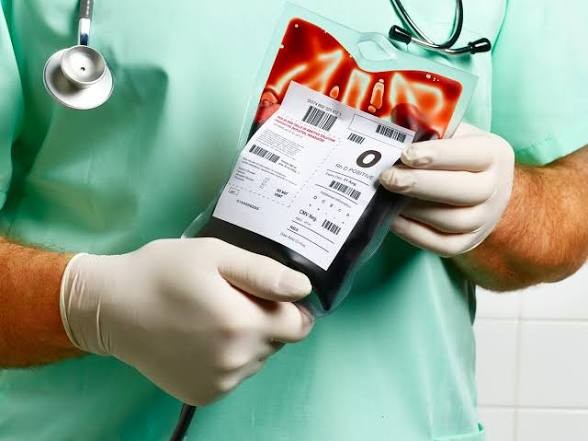
This is no longer abstract theology. This is a real person making a life and death decision based on doctrine and paying the ultimate price.
And the painful truth is that there are many more “Auntie Esthers” whose stories never made it to the news. People who quietly lost their lives in hospitals, homes, or emergency situations simply because of a belief they held onto with conviction. Their names were never trending, their stories never debated, but their absence is just as real.
Jehovah’s Witnesses base their stance on scriptures like Acts 15:28-29, interpreting “abstain from blood” as a total rejection of blood transfusion. Over time, it became one of the most defining teachings within the faith.
No whole blood, no major components. For many members, accepting blood is not just a medical decision, it is seen as disobedience to God, with consequences that can include excommunication and social isolation.
That social cost is heavy. It can mean losing family, friends, and an entire support system overnight. So the pressure is not just spiritual, it is emotional and psychological.
There have been several cases globally of people who died after refusing transfusions, but in Africa the impact is harsher. In places where healthcare systems are already stretched, refusing blood is often the difference between survival and death.
While some developed countries offer alternatives, many hospitals in Nigeria simply do not have those options readily available. So a global doctrine ends up having more severe consequences locally.
Then comes the shift that many are now noticing. Jehovah’s Witnesses have not openly said blood transfusion is now acceptable, but over time, certain aspects have been relaxed.
Some blood fractions are now left to personal conscience. Procedures once completely forbidden are now quietly allowed. The language has moved from absolute to flexible, and that shift raises serious questions.
If something was once presented as a clear command from God, why is it now open to interpretation.
That question is where the real tension lies.
It is also important to say this is not an isolated case of doctrine evolving. Within Deeper Christian Life Ministry, for a long time, members were strongly taught that watching television was worldly and sinful. It was seen as a gateway to moral corruption. But today, that rigid stance has softened significantly.
The same platform once condemned is now widely used, even by churches themselves, for preaching and outreach. The doctrine did not disappear overnight, but it clearly relaxed over time.
This pattern is familiar. Teachings are introduced with certainty, enforced with conviction, and over the years, they adjust.
So the big question remains is this spiritual guidance, gullibility, or bondage.
It is not entirely fair to call people gullible. Many believers are sincere and genuinely trying to live according to what they understand as truth. But sincerity does not remove the impact of control. When a system dictates critical life decisions and discourages questioning, it begins to look less like guidance and more like bondage.
Nigerian churches also reflect similar patterns. The seed sowing doctrine has led many people to give beyond their means in hope of miracles.
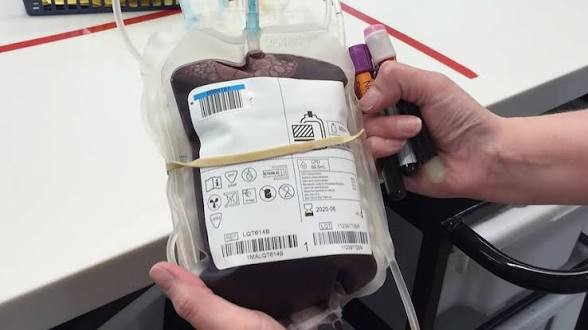
The prosperity message has made some feel that financial struggle equals weak faith. Strict tithing expectations have placed pressure on people who are already trying to survive.
These teachings shape decisions in powerful ways, sometimes more than people realize.
So when you look at the story of Auntie Esther in Lagos, it becomes more than one woman’s story. It becomes a mirror reflecting how deeply doctrine can influence choices.
It forces a difficult but necessary reflection. How many beliefs do we hold today without question. How many are we willing to defend even when they harm us. And if those beliefs change tomorrow, what happens to those who suffered under them yesterday.
Faith is meant to give life, direction, and hope. Any doctrine that puts life at risk or removes the freedom to question deserves honest and fearless examination.