- Nigeria Needs $345m Yearly to Tackle Out-of-School Crisis – Dr. Alausa
- Says the figure reflects what it would realistically cost, per child, to tackle a problem that has lingered for years
- Nigeria is working with Italy on a major education conference that could unlock up to $15 billion in funding for foundational learning across 90 countries
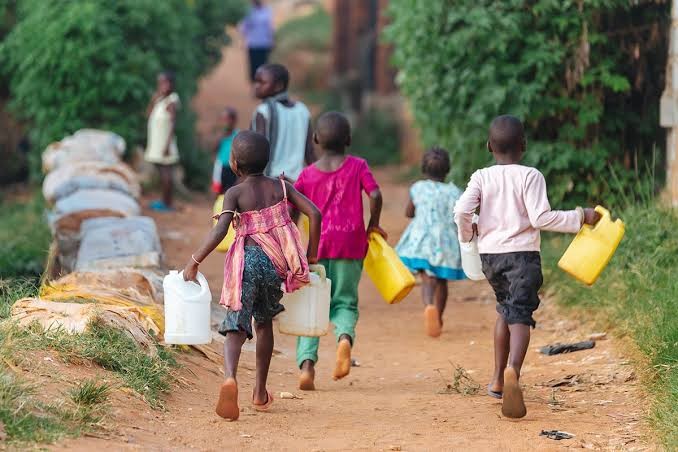
Nigeria’s education crisis is once again in focus, and this time, the numbers are hard to ignore.According to the Federal Government, the country needs about $345 million every year just to bring millions of out-of-school children back into learning and equip them with basic skills.
Eko Hot Blog reports that the Minister of Education, Tunji Alausa, shared this during a private sector meeting in Lagos.
EDITOR’S PICK
- Alleged Abortion Case: NYSC Inspector Granted ₦500,000 Bail in Ogun
- Two Nurses Arrested as Sisters Die After Alleged Wrong Injection in Kebbi
- Lagos Taskforce Arrests Five Suspected ‘Omotaku’ Hoodlums
He explained that the figure reflects what it would realistically cost, per child, to tackle a problem that has lingered for years.
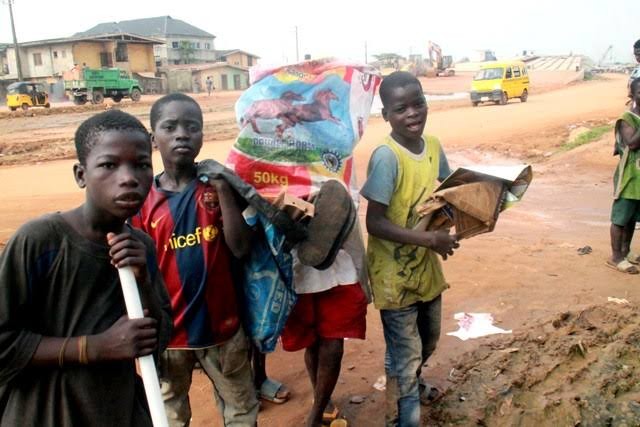
Right now, Nigeria has an estimated 15 million out-of-school children, with about 1 in every 4 children aged 5–14 affected. In parts of the North-East and North-West, the situation is even more worrying, rising to over 40%.
Alausa acknowledged that while the government has started making progress through reforms, there is still a major funding gap. And closing that gap, he said, cannot be left to government alone.
He pointed out that the education sector is not just about classrooms, it is central to Nigeria’s economic future. But to truly make an impact, there must be stronger collaboration with private investors and stakeholders.
Despite the challenges, the minister highlighted some ongoing efforts. The government has already released ₦10.6 billion to support technical and vocational training centres, with another ₦3.4 billion paid directly to trainees.
Interest in the programme is growing fast, with 1.3 million applications, though only 160,000 have been matched to centres and about 72,000 are currently enrolled.
There is also heavy investment in higher education. Over ₦156 billion has gone into upgrading 18 medical schools and selected engineering institutions, including funding for laboratories, workshops, and student hostels across 50 schools.
To encourage innovation, a new student venture capital grant has been introduced, offering ₦50 million in equity-free funding, with 65 STEMM students already shortlisted.
On the global stage, Nigeria is working with Italy on a major education conference that could unlock up to $15 billion in funding for foundational learning across 90 countries.
Beyond basic and technical education, the government is also expanding access to tertiary education through the Nigerian Education Loan Fund. So far, over ₦206.29 billion in student loans has been disbursed to more than 1,164,222 students, showing just how high the demand for education support has become.
For now, one thing is clear: the challenge is massive, but so is the opportunity if the right investments and partnerships come together.