- Private Sector Key to Fixing Nigeria’s Education Challenges – Alausa
- Airtel Foundation Backs Nigeria’s Push for Digital Learning
- Nigeria Moves to Attract Global Investment into Education Sector
The Federal Government is stepping up efforts to mobilise private sector and international funding to transform Nigeria’s education system, positioning it as a key driver of economic growth, innovation, and national productivity, Eko Hot Blog reports.
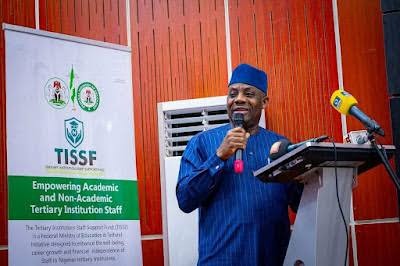
Speaking at a high-level CEO breakfast roundtable in Lagos, the Minister of Education, Maruf Tunji Alausa, said the push aligns with the Renewed Hope Agenda of President Bola Ahmed Tinubu.
EDITOR’S PICK
- Alleged Abortion Case: NYSC Inspector Granted ₦500,000 Bail in Ogun
- Two Nurses Arrested as Sisters Die After Alleged Wrong Injection in Kebbi
- Lagos Taskforce Arrests Five Suspected ‘Omotaku’ Hoodlums
The meeting brought together leaders from technology, finance, energy, academia, and development organisations to explore new ways of funding education and strengthening collaboration under the Nigeria Education Sector Renewal Initiative (NESRI).
Alausa highlighted progress made over the past 17 months, pointing to reforms in policy, improved data systems, digital transformation, and expanded partnerships. However, he admitted that major challenges remain, including the high number of out-of-school children, learning poverty, and growing skills gaps.
To tackle these issues, the government is focusing on practical interventions such as bringing out-of-school children back into structured learning, expanding technical and vocational education, improving teacher quality, and increasing digital infrastructure in schools. He stressed that achieving lasting results will depend heavily on innovative funding models and stronger private sector involvement.
Also speaking, the Minister of State for Education, Suwaiba Said Ahmad, described the engagement as an important step toward unlocking fresh ideas and partnerships that can improve education outcomes nationwide.
International partners also signaled strong support. Serigne Mbaye Thiam noted that private sector participation is crucial to unlocking more funding through global education financing mechanisms.
Similarly, Roberto Mengoni reaffirmed Italy’s backing for Nigeria’s education reforms, emphasizing that education is not just a right but a long-term investment in stability and economic growth. He also announced that Italy and Nigeria will co-host a global education funding conference in Rome on June 9, 2026, aimed at mobilising resources to tackle the global learning crisis.
Other partners, including the United Kingdom, also pledged continued support, commending efforts to improve accountability and coordination in the sector.
One of the major highlights of the meeting was a commitment by the Airtel Africa Foundation to support digital education. The foundation plans to help deploy digital learning platforms, provide free data access for teacher training, expand internet connectivity in schools, and boost online learning initiatives.
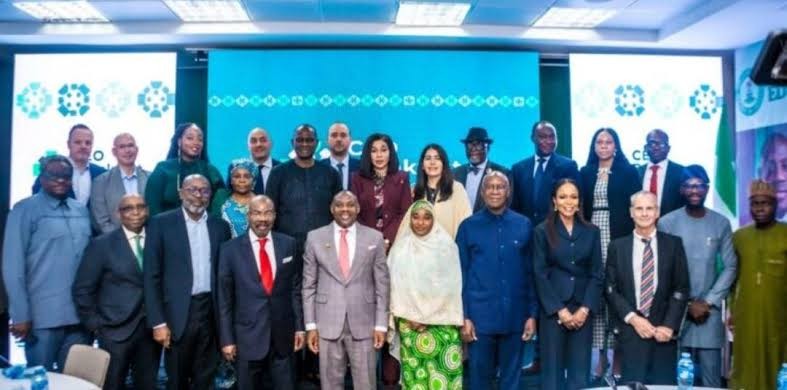
To ensure these commitments are not just promises, stakeholders agreed to set up a Public-Private Education Technical Working Group. The group will coordinate partnerships, align policies, and track measurable outcomes, while also helping to unlock more funding through global platforms.
For the Federal Government, the message is clear: improving education in Nigeria will require more than public funding, it will take strong partnerships, innovation, and sustained investment to deliver real results for students across the country.