- Sanwo-Olu Leads Stakeholders’ Engagement on Education, Health Reforms
- Moves to Strengthen Public Service Delivery
- Partners FG, World Bank on Human Capital Development
The Lagos State Government has intensified efforts to improve public service delivery with the rollout of the Human Capital Opportunities for Prosperity and Equity (HOPE) Programme.
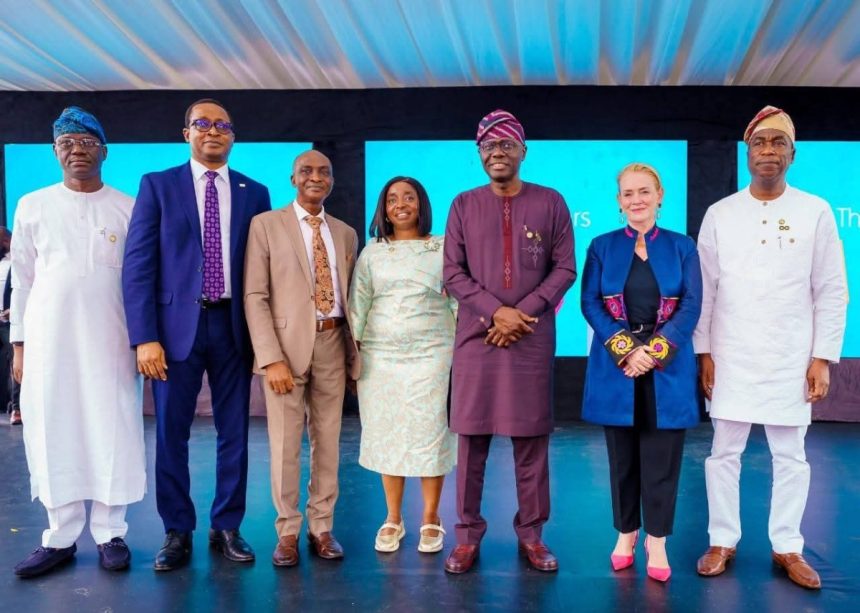
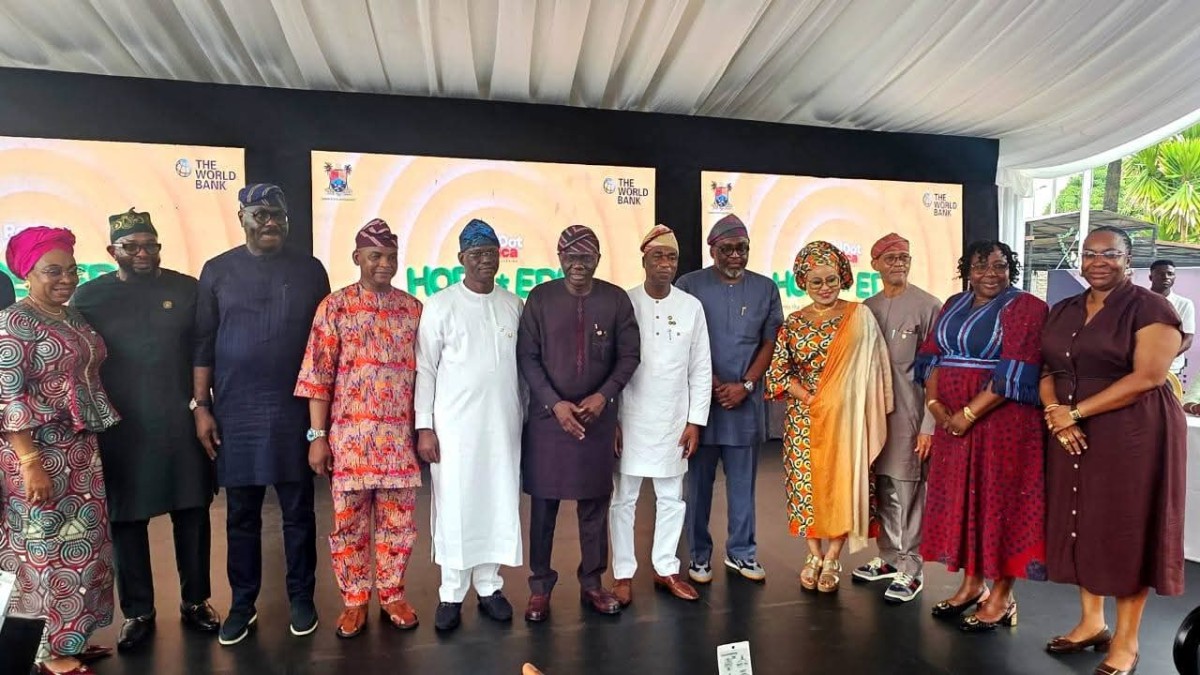
Eko Hot Blog reports that the initiative, supported by the Federal Government and the World Bank, was the focus of a high-level sensitisation and stakeholders’ engagement held at Government House, Marina.
EDITOR’S PICK
- Drama as Expectant Mother Delivers Twin Boys in Bush in Benue
- Nigeria Can Overcome Its Challenges – Obasa
- Tinubu Approves ₦3.3 Trillion Plan to Clear Power Sector Debts
The session brought together policymakers, development partners, and key stakeholders to deepen awareness and strengthen commitment to the implementation of the programme.

Designed to enhance essential services, the HOPE Programme targets critical sectors such as basic education, primary healthcare, and public sector governance. It is structured around three pillars; HOPE-EDU, HOPE-PHC, and HOPE-GOV aimed at improving efficiency, transparency, and measurable outcomes.
Speaking at the event, Governor Babajide Sanwo-Olu said the initiative is centred on improving the quality of life for residents.
“For us in Lagos, this programme is about people. It is about ensuring that every child has access to the right learning materials, that every mother can receive quality healthcare at our primary health institutions without undue financial burden, and that public resources are managed in a way that is visible, understandable, and trustworthy to all Lagosians,” he said.
Chairman of the House Committee on Economic Planning and Budget, Olumoh Saad Lukman, commended the administration’s investment in education, citing the Tolu Schools Complex in Ajegunle as evidence of progress in infrastructure and learning standards.
Also speaking, Commissioner for Economic Planning and Budget, Ope George, emphasised that sustained investment in human capital is key to long-term economic growth and social stability.
A representative of the World Bank, Akin Onimole, noted that the success of the programme would ultimately be measured by its impact on citizens, while Celine Lafoucriere of UNICEF described Lagos’ progress as a strong example of effective governance driven by political will and strategic partnerships.
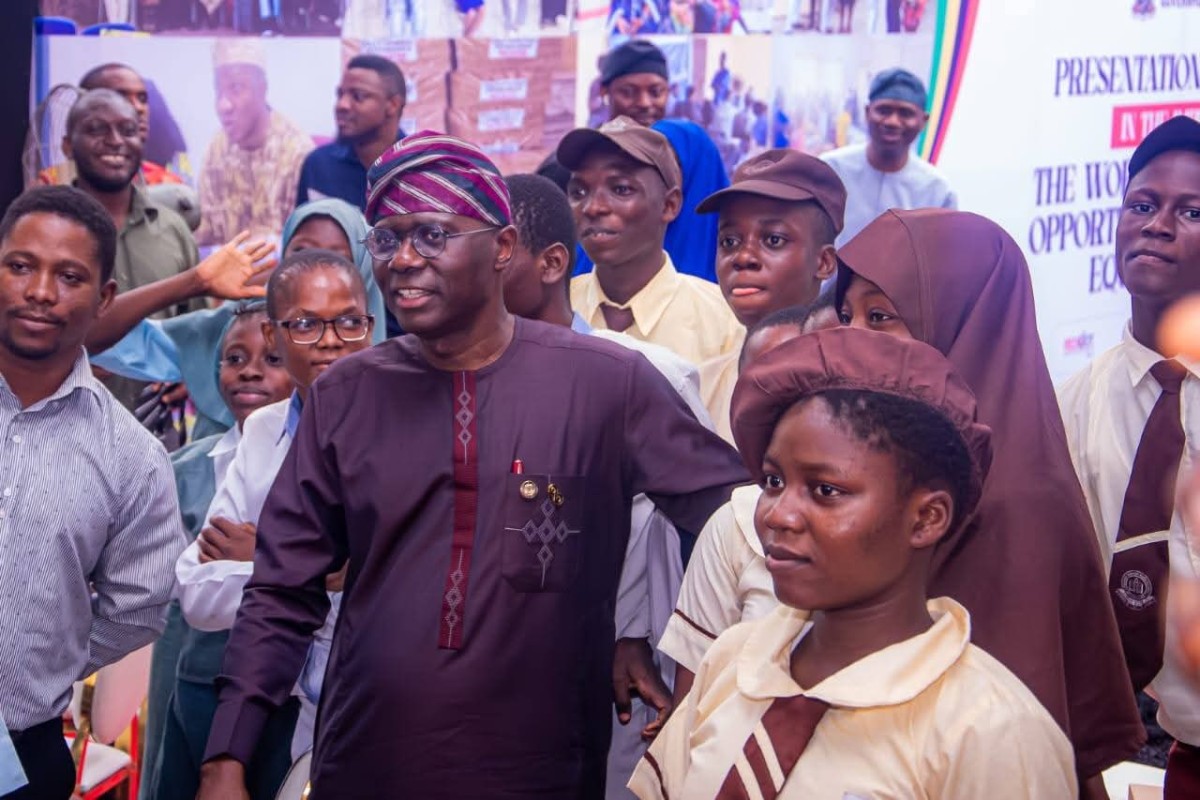
The state government reaffirmed its commitment to ensuring that the benefits of the programme reach communities across Lagos, urging residents and stakeholders to actively engage with the initiative.