- his continued candidacy follows a recent decision by lawmakers to remove age restrictions
- Guelleh originally assumed office in 1999, succeeding his uncle, Hassan Gouled Aptidon
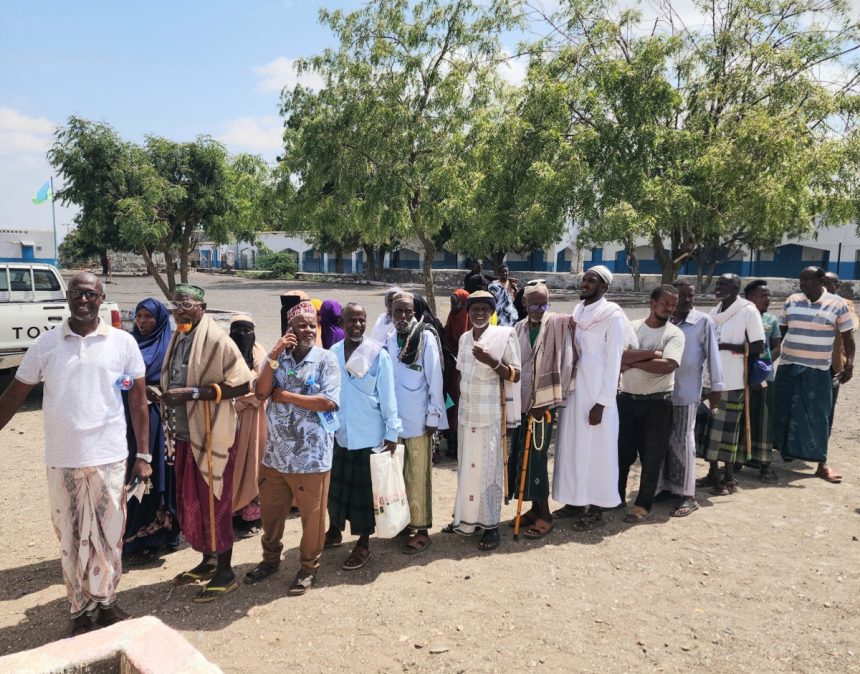
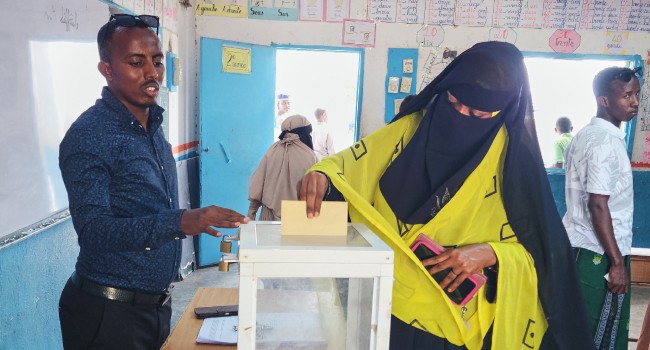
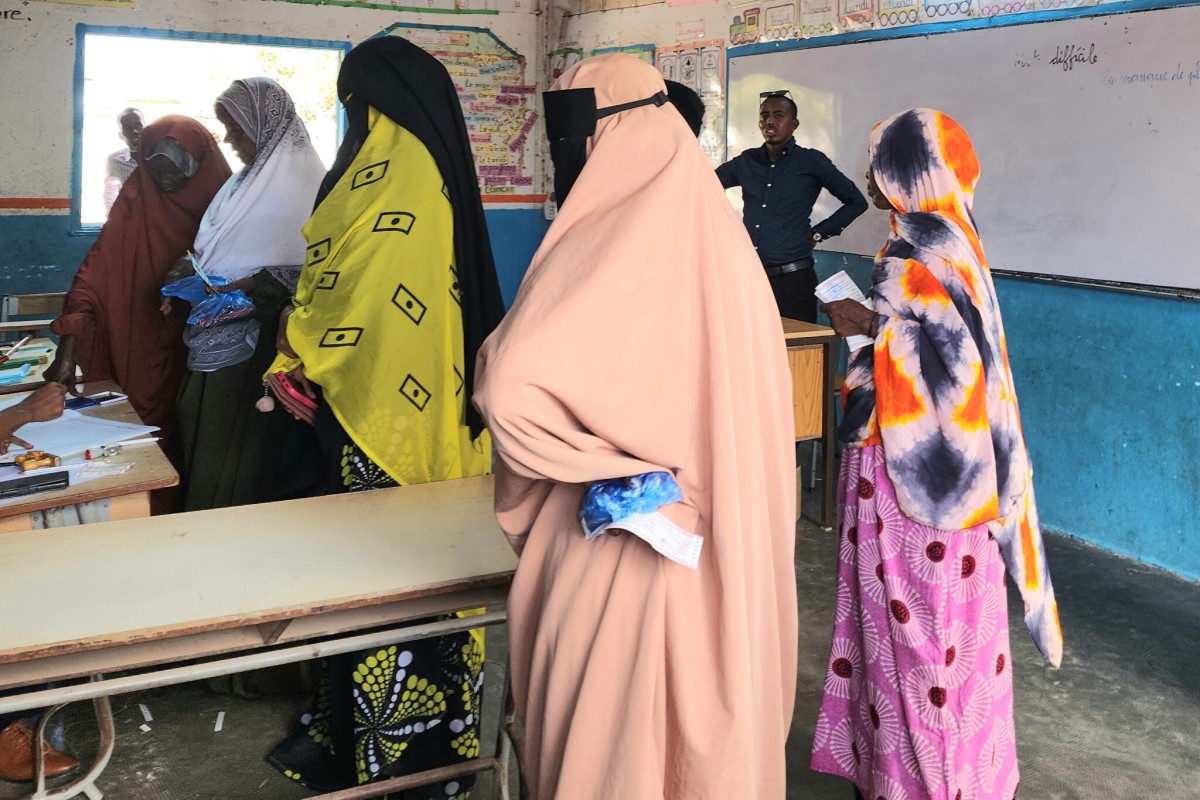
Citizens of the Horn of Africa nation of Djibouti headed to polling stations on Friday to elect a president, with incumbent Ismaïl Omar Guelleh strongly favored to remain in power for a sixth term.
Eko Hot Blog gathered that his continued candidacy follows a recent decision by lawmakers to remove age restrictions for presidential contenders.
EDITOR’S PICK
- Easter Celebration: Sanwo-Olu Encourages Love, Sacrifice, Coexistence
- Enough Is Enough Defend Yourselves’ – CAN Urges Northern Christians
- NLC Orders Street Protests Over Minimum Wage
At 78, Guelleh has led the country of about one million people for more than two decades. In the previous election held in 2021, official figures credited him with an overwhelming victory, taking close to all the votes cast.
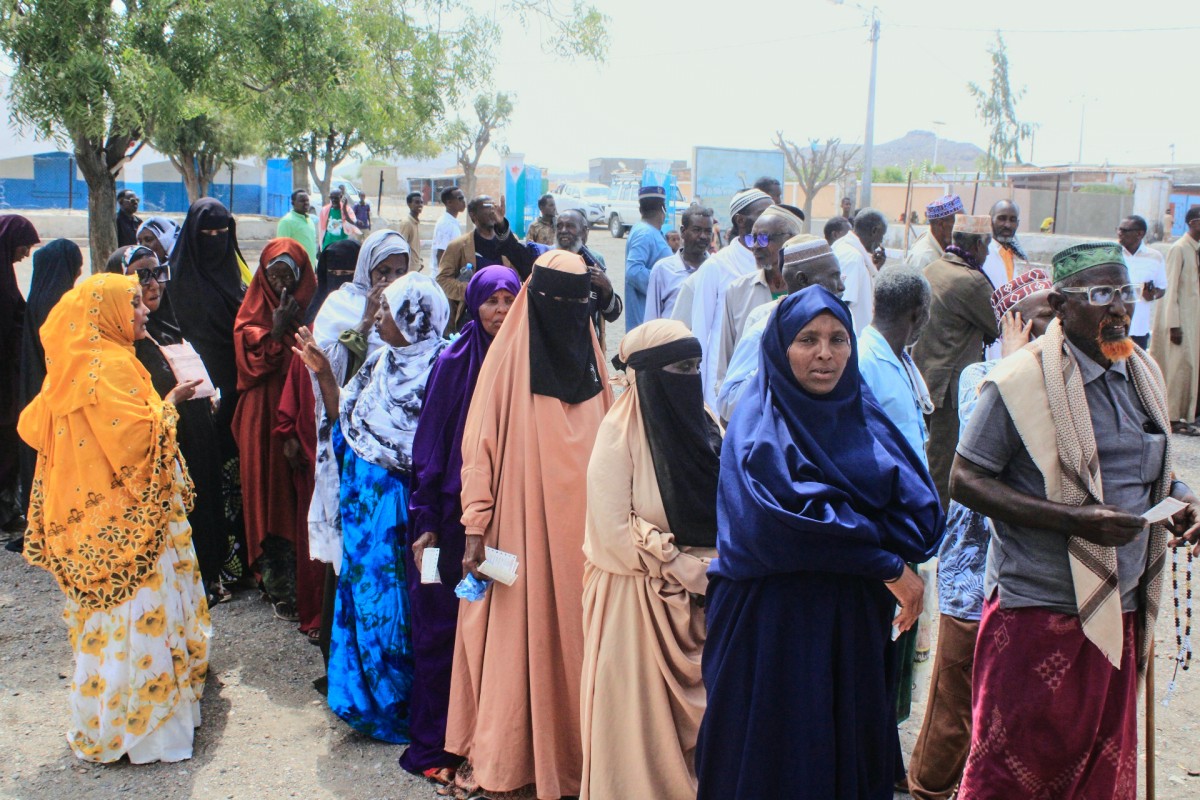
Running against him is Mohamed Farah Samatar, once part of the ruling party. Political observers, however, argue that the race offers little real challenge, noting that opposition groups frequently withdraw from elections in protest over what they describe as limited political space.
Guelleh originally assumed office in 1999, succeeding his uncle, Hassan Gouled Aptidon. Since then, power has remained concentrated within the same political circle, shaping the country’s leadership for decades.
Election monitors from organizations such as the African Union and the Intergovernmental Authority on Development were present to observe the voting process.
Analyst Mohamed Husein Gaas suggested that eliminating term limits reflects an effort to maintain continuity rather than promote competitive democracy.
He added that despite concerns about democratic decline, international partners are likely to focus on stability, given Djibouti’s strategic importance in safeguarding Red Sea routes and supporting global commerce, especially during ongoing tensions in the Middle East.
The country hosts several foreign military installations from major powers, including the United States, China, France, and Japan. Its position along a crucial maritime corridor linking the Red Sea with the Gulf of Aden enhances its global significance.
Much of Djibouti’s economy depends on income from these bases as well as port services, particularly for neighboring Ethiopia.
However, this reliance also presents risks. The economy is closely tied to Ethiopia’s use of Djibouti’s ports, and any disruption to regional trade routes, especially in the Red Sea, could have significant economic consequences.
FURTHER READING