- Starmer expressed frustration that households continue to face fluctuating costs due to geopolitical tensions
- He added that the UK has helped assemble a coalition of more than 30 nations to coordinate diplomatic efforts
- Starmer defended the alliance, saying NATO remains essential for collective security
UK Prime Minister Keir Starmer has warned that the ongoing Iran conflict could shape global politics and economies for decades, describing it as a defining moment for an entire generation.
Speaking at the end of his Gulf tour, Eko Hot Blog reports that he cautioned that the ceasefire between the United States and Iran remains unstable and stressed the need to reopen the strategically vital Strait of Hormuz as part of any lasting solution.
EDITOR’S PICK
- Easter Celebration: Sanwo-Olu Encourages Love, Sacrifice, Coexistence
- Enough Is Enough Defend Yourselves’ – CAN Urges Northern Christians
- NLC Orders Street Protests Over Minimum Wage
The crucial maritime route has largely been shut since fighting began, disrupting shipments of oil and fertiliser and driving up fuel and food prices worldwide.
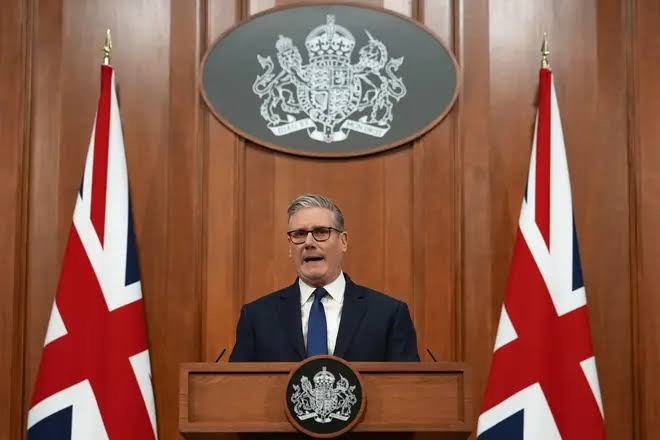
Starmer expressed frustration that households continue to face fluctuating costs due to geopolitical tensions, referencing both Vladimir Putin and Donald Trump as key figures whose actions have influenced global markets.
He drew parallels with the economic fallout from Russia’s 2022 invasion of Ukraine, which forced the UK government at the time to spend heavily to shield citizens from soaring energy bills.
Now, amid the Iran crisis, his administration faces renewed pressure to support struggling households, though officials संकेत that any assistance would be more targeted rather than universal.
During a recent conversation with Trump, Starmer said their discussions focused mainly on practical steps to restore safe passage through the Strait of Hormuz, rather than directly addressing rising living costs.
While in Doha, Starmer met with Mohammed bin Abdulrahman bin Jassim Al Thani and emphasized a shared regional stance against imposing fees or restrictions on navigation through the waterway, an idea reportedly floated by Iran.
He added that the UK has helped assemble a coalition of more than 30 nations to coordinate diplomatic efforts, alongside potential military and logistical measures to secure shipping routes.
UK Defence Secretary John Healey confirmed that British military planners are working alongside US counterparts, with options including the deployment of naval assets and drone technology to clear mines from the Strait.
The conflict has also reignited debate over NATO’s role, particularly after Trump criticised alliance members for not contributing more and hinted at a possible US withdrawal.
Starmer defended the alliance, saying NATO remains essential for collective security, though he acknowledged that European nations must increase their defence contributions.
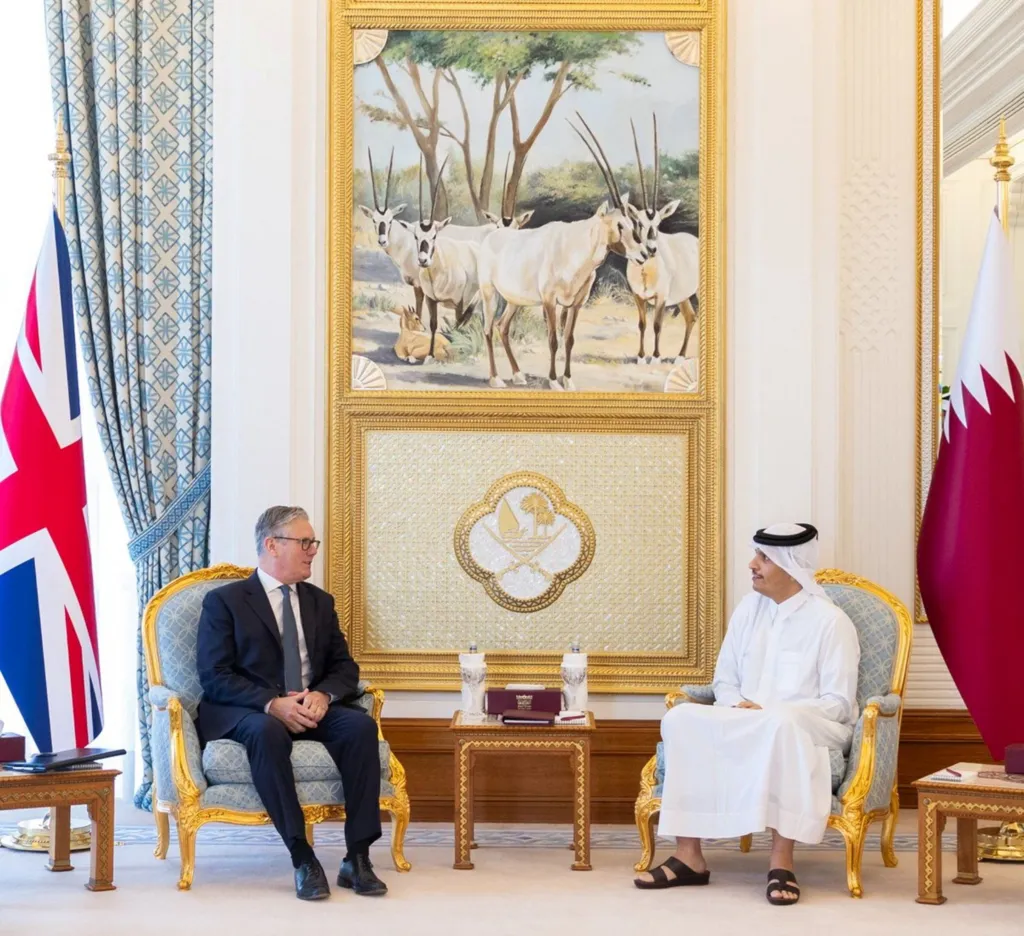
Over his three-day Middle East visit, Starmer held talks with leaders across Saudi Arabia, Bahrain, the UAE, and Qatar, noting a strong willingness among regional partners to deepen cooperation on both security and economic resilience.
He stressed that developments in the region are already having tangible effects on the UK economy.
Although he did not outline specific long-term policy changes, Starmer has argued that Britain must strengthen its domestic energy production and invest more heavily in defence capabilities to better withstand future crises.
The situation has sparked wider political debate at home. Opposition figures have called for higher defence spending, with some proposing cuts to green energy initiatives or renewed oil and gas exploration in the North Sea.
Meanwhile, critics including Nigel Farage have underscored the importance of maintaining strong ties with the United States, while others argue for closer cooperation with European allies amid uncertainty over US leadership.
FURTHER READING