- He argued that the scale of borrowing required to support the budget raises serious concerns
- According to the former lawmaker, effective budgeting should be driven by clear planning and defined priorities
- Yusuf also suggested that a significant portion of the budget may not be efficiently allocated
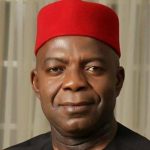
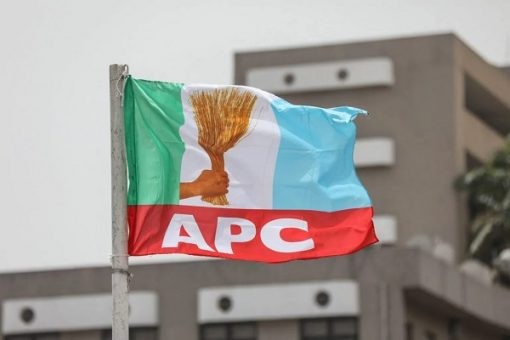
A former senator and member of the All Progressives Congress, Abubakar Yusuf, has criticised Nigeria’s 2026 budget, describing it as unrealistic and lacking proper planning.
Speaking during an interview on Channels Television’s Sunday Politics, Eko Hot Blog gathered that Yusuf questioned the viability of the ₦68.32 trillion appropriation recently signed into law by Bola Tinubu.
EDITOR’S PICK
- Benue Mortician Arrested for Using Corpse Part as Walking Stick
- Baba Yusuf: Bandits May Reach National Assembly
- PDP Asks INEC To Withdraw Recognition Of Anyanwu As National Secretary
He argued that the scale of borrowing required to support the budget raises serious concerns, noting that the country’s debt profile appears to be nearly on par with the total budget size.
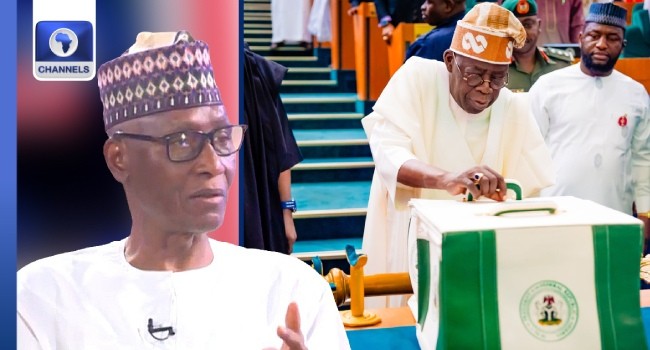
According to the former lawmaker, effective budgeting should be driven by clear planning and defined priorities. He expressed doubt about whether the current budget reflects genuine national needs or unnecessary spending.
Yusuf also suggested that a significant portion of the budget may not be efficiently allocated, estimating that a large share of the funds could be excessive or poorly justified.
“If I were in a position to decide, I would have reconsidered signing it,” he said, while maintaining that his criticism comes despite being a member of the ruling party.
The 2026 appropriation law, signed on April 17, outlines a total expenditure of ₦68.32 trillion.
It includes ₦4.799 trillion for statutory transfers, ₦15.8 trillion for debt servicing, ₦15.4 trillion for recurrent spending, and ₦32.2 trillion allocated for capital projects under the development fund.
Yusuf maintained that without a solid implementation plan and clearer priorities, achieving the goals of such a large budget could prove difficult.
FURTHER READING