- FA Introduces New Rules To Limit Heading In Football
- Study links footballers to higher risk of neurodegenerative diseases
- Scotland adopts stricter rules to reduce heading in training
The Football Association has introduced new measures to limit heading in football amid growing concerns over its long term impact on players’ brain health.
EDITOR’S PICKS
- JAMB Delists 23 CBT Centres, Warns 89 After Mock UTME Review
- NASA Astronauts Return to Earth After First Human Trip to the Moon in 50 Years
- INEC Shifts Nationwide Voter Revalidation Until After 2027 General Election
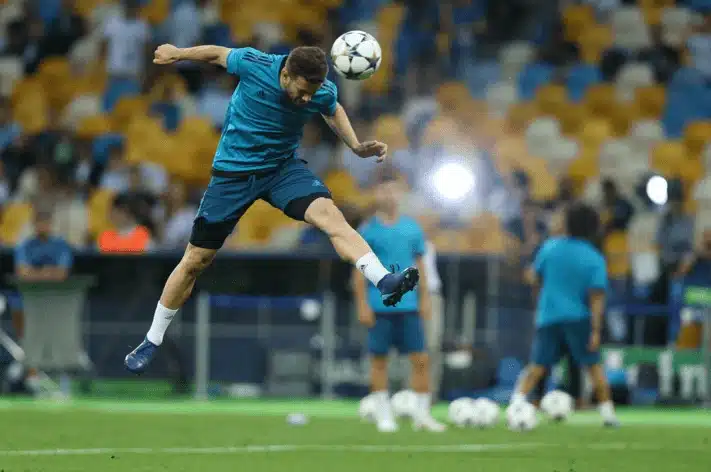
EKO HOT BLOG reports that the decision follows emerging scientific evidence linking repeated heading of the ball to increased neurological risks. Medical experts say each header generates a small pulse of energy that travels through the brain at the point of impact. While a single impact is considered minimal, repeated exposure over time may lead to cumulative damage.
A major research project, the FIELD study, found that former professional footballers are about 3.5 times more likely to develop neurodegenerative diseases compared to the general population.
In response, the FA has introduced a phased ban on heading for children under the age of 11. It has also issued guidelines to reduce high force headers during training, particularly from corners, crosses and free kicks.
The measures are aimed at reducing repeated head impacts while maintaining the core nature of the sport.
FA Chief Medical Officer, Charlotte Cowie, said the action was based on new independent research.
“This new independent research provides us with innovative and previously undiscovered insight, and it is part of our ongoing commitment to gain a greater understanding of this highly complex area,” she said.
She added that the findings have been shared with global football bodies, including FIFA and UEFA, to support broader collaboration.
Meanwhile, the Scottish Football Association has adopted stricter measures by banning heading in training sessions on the day before and after matches in the professional game.
Football authorities say the steps are part of a precautionary approach to protect players as research into the long term effects of heading continues. Calls are also growing for a coordinated global response to ensure player safety across all levels of the game.