When Lere Olayinka, media aide to FCT Minister Nyesom Wike, posted screenshots of Nollywood actor Emeka Ike’s voter registration details on X on May 30, he was trying to make a political point.
What he inadvertently revealed is something far more troubling: that Nigeria’s voter database, holding the personal information of over 90 million citizens, may be far more exposed than the Independent National Electoral Commission (INEC) wants the public to believe.
EDITOR’S PICKS
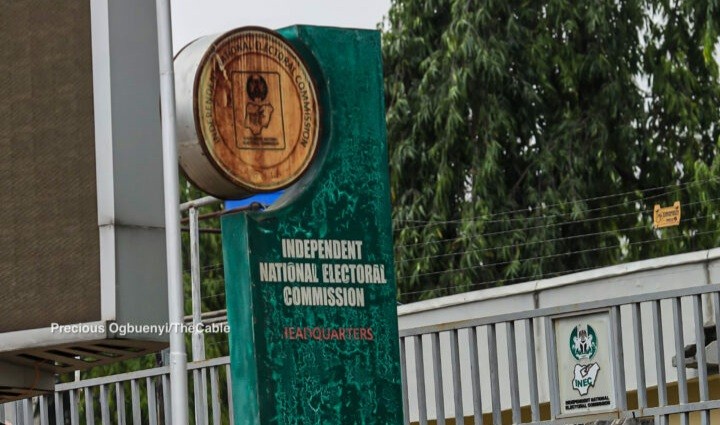
INEC’s response, issued Tuesday, was thin. The commission confirmed that the voter information was accessed using valid staff credentials and subsequently released without authorisation. It offered assurances that there was no external hacking, no system-wide compromise, and that the incident concerned only one specific voter record.
But that reassurance raises more questions than it answers.
One Record — Or Many?
The critical question INEC has not answered is this: how many other voter records did the user account in question access and potentially made available to Olayinka and others?
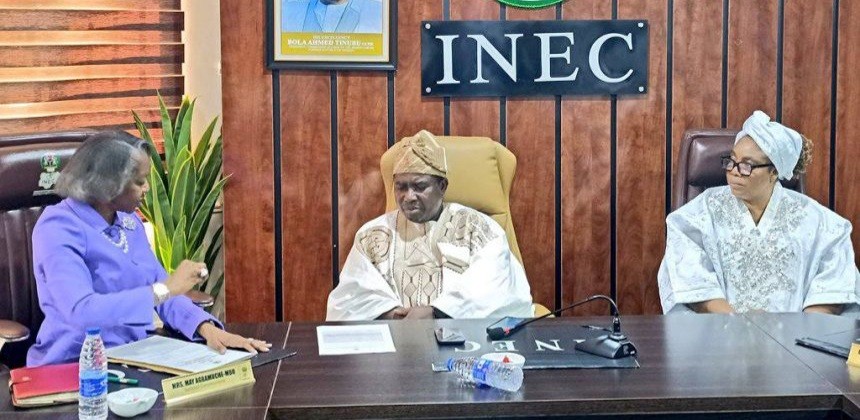
The commission’s statement identifies a specific user account through its audit trail and confirms that authorised INEC registration officers were provided with controlled access to certain elements of the CVR system to process registrations, transfers, and updates.
That access, by its nature, is broad. If a single authorised account could pull up Ike’s application number, VIN, registration centre, profile photograph, and date of application — all the personal information displayed in the screenshots — what else could it pull up, and for whom?
It is difficult to accept, without evidence, that Emeka Ike was the only person whose data was retrieved by this account. Olayinka’s apparent motive was political targeting. Political targeting rarely stops at one name.
A Privacy Violation Left Standing
Four days after the post went live, it remained on Olayinka’s X page. The screenshots — containing a citizen’s voter identification details sourced from a restricted government portal — have not been taken down. No authority has compelled their removal.
Emeka Ike was a registered voter in Imo State.
He only transferred his INEC Registration to the FCT on May 15, 2026 (15 days ago).
And he wants to contest for House of Reps in Abuja!
Someone who has never voted in the FCT o.
What happened to his Imo State?
This Obidient people… pic.twitter.com/QXNwneEgeD
— Lere Olayinka – Aresa 1 (@OlayinkaLere) May 30, 2026
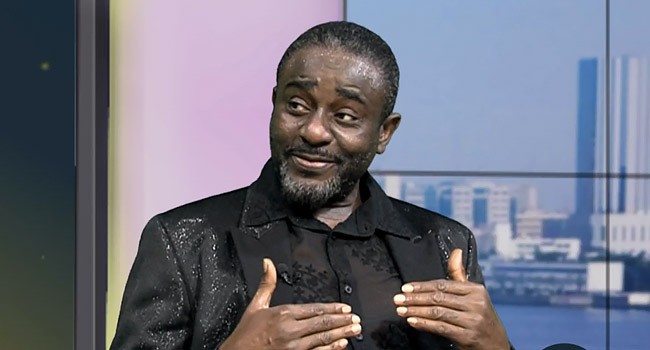
Ike described the act as “the height of political rascality,” warning that Olayinka was effectively telling every Nigerian: “Whoever you are, I can pull your information from anywhere and do what I want.”
That charge deserves to be taken seriously, not merely as an aggrieved reaction from a losing aspirant, but as a precise description of what happened. A government-connected official accessed a restricted state database and used what he found to publicly humiliate a political opponent. The post remains live.
This is not a minor administrative lapse. Nigeria’s data protection framework, under the Nigeria Data Protection Act 2023, imposes obligations on data controllers and processors. INEC is a data controller. The unlawful disclosure of a registered voter’s personal information — and its continued public availability — demands a response beyond an internal audit.
What Must INEC and the DSS Actually Do?
INEC has promised to “cooperate fully with all relevant security agencies and will not hesitate to refer any person found culpable for appropriate legal action,” and the DSS has reportedly commenced an independent investigation. But promises of referrals are not accountability.
The questions that need answers are direct: Was the relevant user account suspended immediately upon identification? Was access to the CVR portal by non-INEC personnel — including political appointees and their staff — ever formally authorised, and under what authority? And critically, will INEC publish the full scope of what was accessed from that account, not just the one record it has admitted to?
FURTHER READING
A voter database is among the most sensitive repositories of citizen data a government can hold. Its integrity is not merely a technical matter, it is a democratic one. INEC’s statement, as it stands, tells Nigerians what did not happen. What they need to know is the full account of what did.
Philip Ibitoye is a Special Correspondent with EKO HOT BLOG. Click here to find daily analysis and critical insight on trending issues in Lagos and other parts of Nigeria.
Click to watch the video of the week below: