- However, he said the situation changed as unverified reports and misleading content began to circulate
- Mohammed described the events as a clear example of how powerful disinformation can be when it spreads in real time
- He defended the government’s decision to suspend Twitter in Nigeria at the time
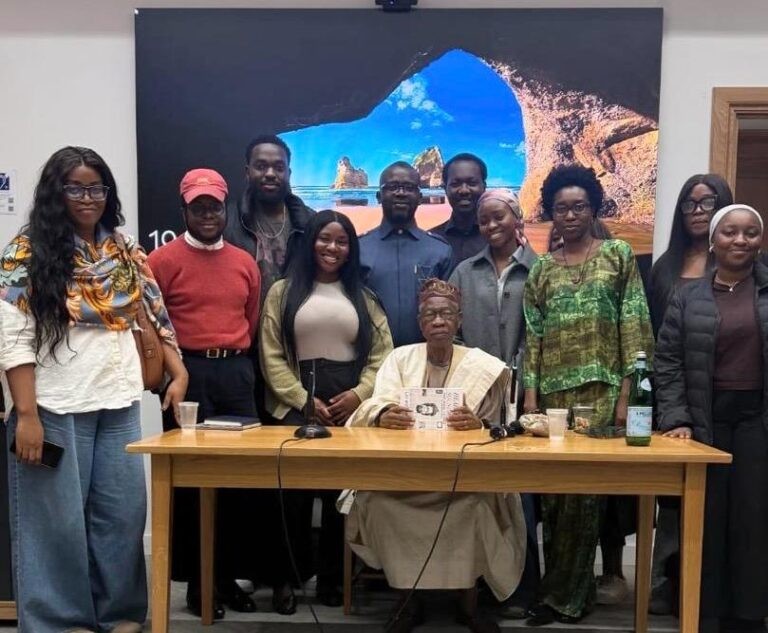
Former Minister of Information and Culture, Lai Mohammed, has blamed the escalation of the #EndSARS protests on the spread of misinformation, describing fake news as the biggest obstacle the government faced at the time.
Eko Hot Blog gathered that the protests, which began on October 8, 2020, started as peaceful demonstrations demanding the scrapping of the Special Anti Robbery Squad of the Nigerian Police.
EDITOR’S PICK
- Lassa Fever Hits Oyo, Government Activates Emergency Response
- Bruno Fernandes Reveals Why He Rejected Huge Al Hilal Move
- FG Defends Borrowing Strategy
What began as a social media driven movement quickly expanded across the country, drawing large crowds in major cities.
A key location during the protests was the Lekki Toll Gate, which became a symbol of the movement as demonstrations intensified nationwide.
Speaking at an event at the London School of Economics and Political Science, Mohammed acknowledged that the protests were initially rooted in genuine public anger over police brutality.
However, he said the situation changed as unverified reports and misleading content began to circulate widely across both social and traditional media.
According to him, the turning point came when security forces were deployed to disperse protesters at the Lekki Toll Gate, a moment he said was followed by a surge in false information that heightened tensions.
He also criticised the role of some international media organisations, including CNN, alleging that certain reports relied on unverified or manipulated material, which he claimed influenced global narratives about the incident.
Reflecting on the period, Mohammed described the events as a clear example of how powerful disinformation can be when it spreads in real time.
He further drew parallels with the communication challenges faced during the COVID-19 outbreak, noting that the government had to develop its own strategies without a clear precedent.
He said authorities adopted a mix of daily briefings, radio programmes, and multilingual campaigns to keep the public informed and counter false narratives.
Mohammed also pointed to media tours of conflict affected areas in the North East and nationwide town hall meetings as part of efforts to improve public engagement and reshape public perception.
He defended the government’s decision to suspend Twitter in Nigeria at the time, saying it followed unsuccessful attempts to address concerns over misinformation and divisive content on the platform.
The former minister made these remarks during a series of engagements in the United Kingdom, where he spoke on governance, leadership, and public communication, drawing from his experiences in office.
FURTHER READING