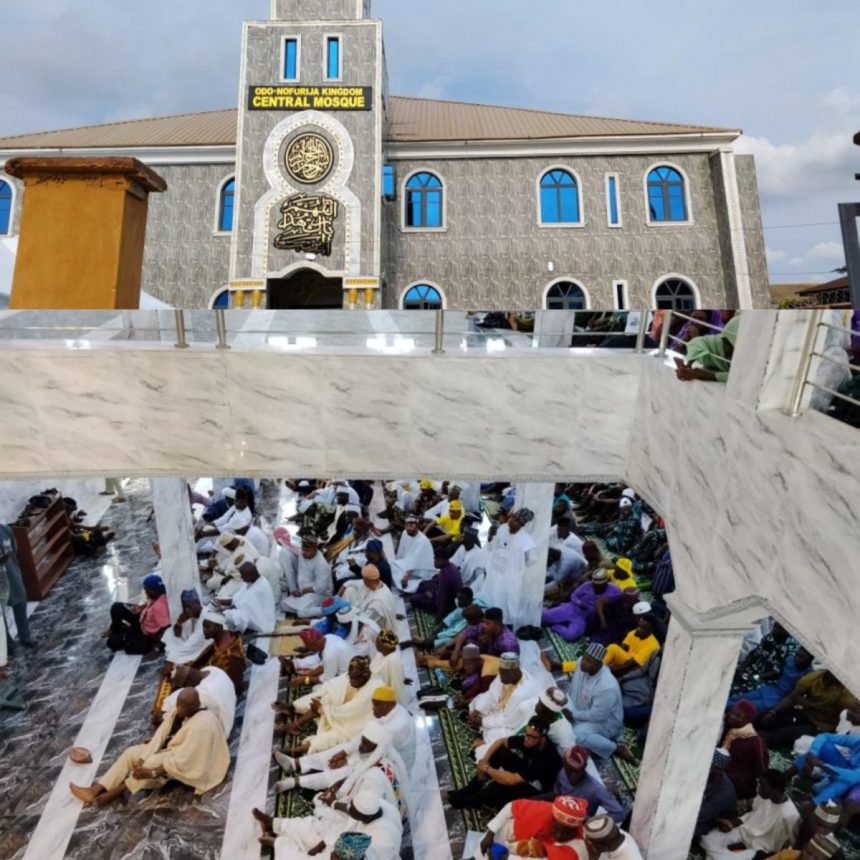
On Friday, April 17, 2026, people gathered from different backgrounds to witness the unveiling of the new Central Mosque. But beyond the structure itself, what stood out was the atmosphere.
EDITOR’S PICKS
- JAMB Delists 23 CBT Centres, Warns 89 After Mock UTME Review
- NASA Astronauts Return to Earth After First Human Trip to the Moon in 50 Years
- INEC Shifts Nationwide Voter Revalidation Until After 2027 General Election
There was no tension, nor division.
The occasion was filled with people that were gathered in shared purpose.
At the centre of that moment was the Aladeshoyin of Odo-Noforija Kingdom, Babatunde Olaogun Ogunlaja, a Christian ruler whose support for the mosque has drawn widespread commendation.
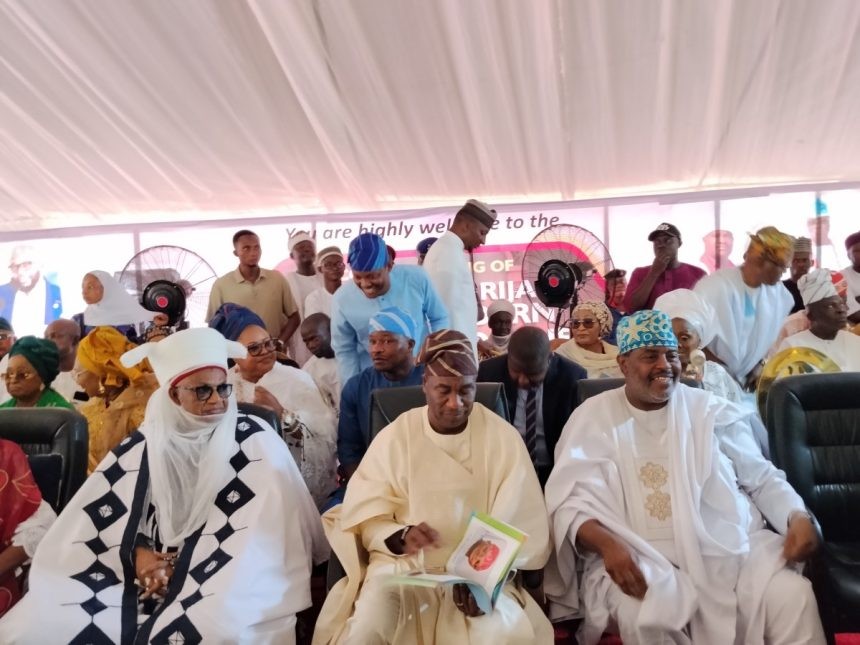
His role in the project speaks to a long-standing culture within the kingdom, where religious identity has not been allowed to create separation.
That culture was visible throughout the event.
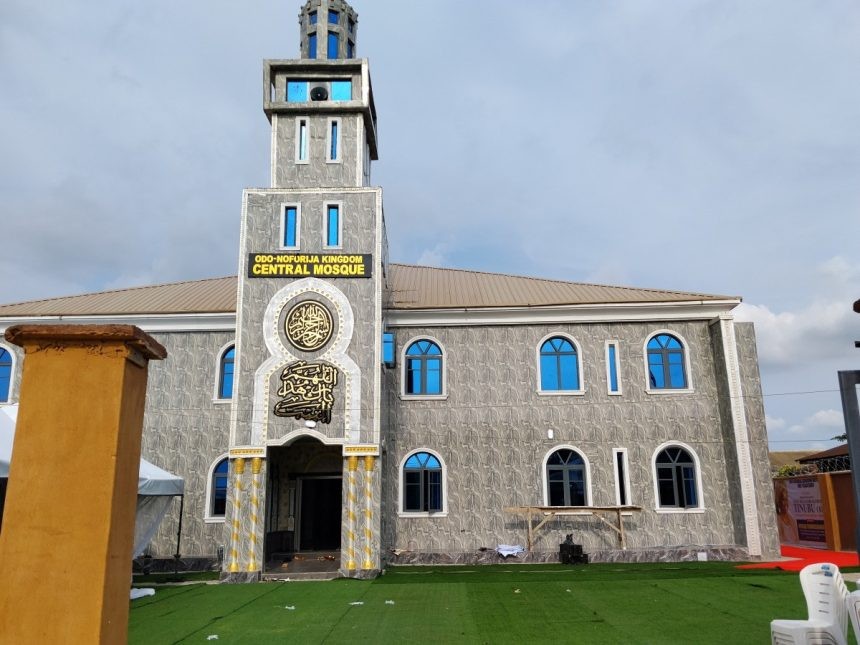
Dignitaries across political, cultural, and religious lines were present, including traditional rulers from across Nigeria, the GAC leader, representatives of Arewa communities, and notable figures such as Rasaq Okoya, Sade Okoya, Babatunde Fashola, Obafemi Hamzat, and Mama Dame Doja Otedola.
Also present was the Chairman of the occasion, Yahaya Abubakar, who described the mosque as a symbol of peaceful coexistence between Muslims and Christians in the community.
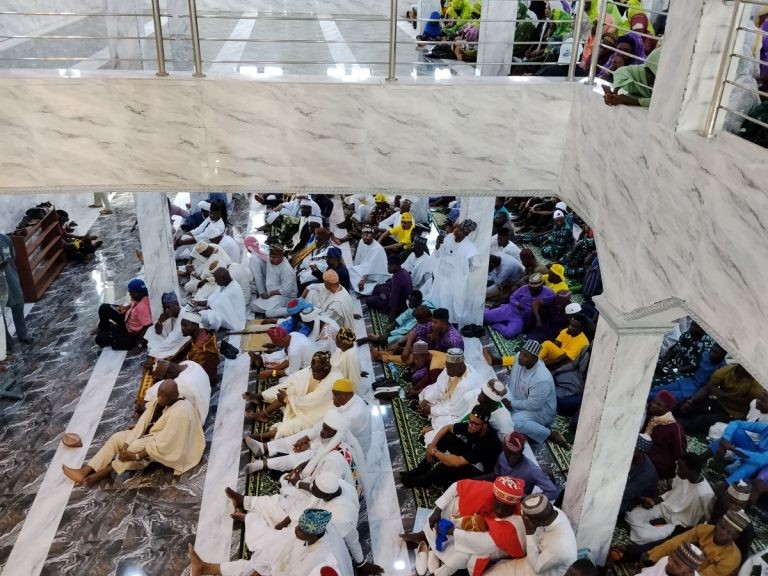
Inside the mosque, that message continued.
The first sermon delivered after commissioning focused on unity, tolerance, and the responsibility of individuals to sustain peace through everyday actions.
Clerics urged worshippers to see faith not as a dividing line, but as a shared foundation for growth.
Moments later, the mosque hosted its first Jumat prayer, with worshippers filling the expansive hall, marking the beginning of a new chapter in the community’s religious life.
For many residents, the significance of the mosque goes beyond its physical presence.
It represents a way of living.
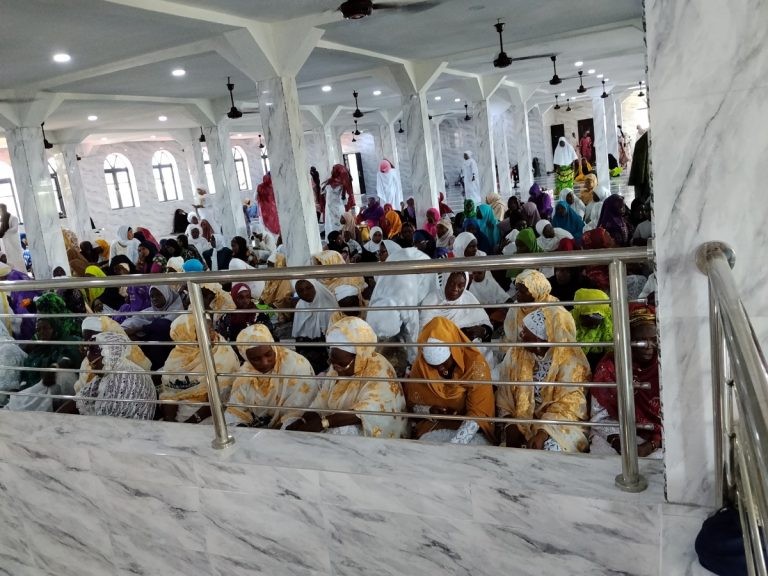
A reminder that difference does not have to lead to division. That leadership can rise above identity. And that communities, when guided by understanding, can build something that includes everyone.
In Odo-Noforija, the mosque stands as more than a place of prayer. It stands as a message.