- the situation reflects a broader failure of the state to fulfil its primary duty of protecting lives and property
- He warned that the country is grappling with a deepening internal crisis
- Atiku also highlighted the economic strain facing Nigerians, citing inflation, currency instability
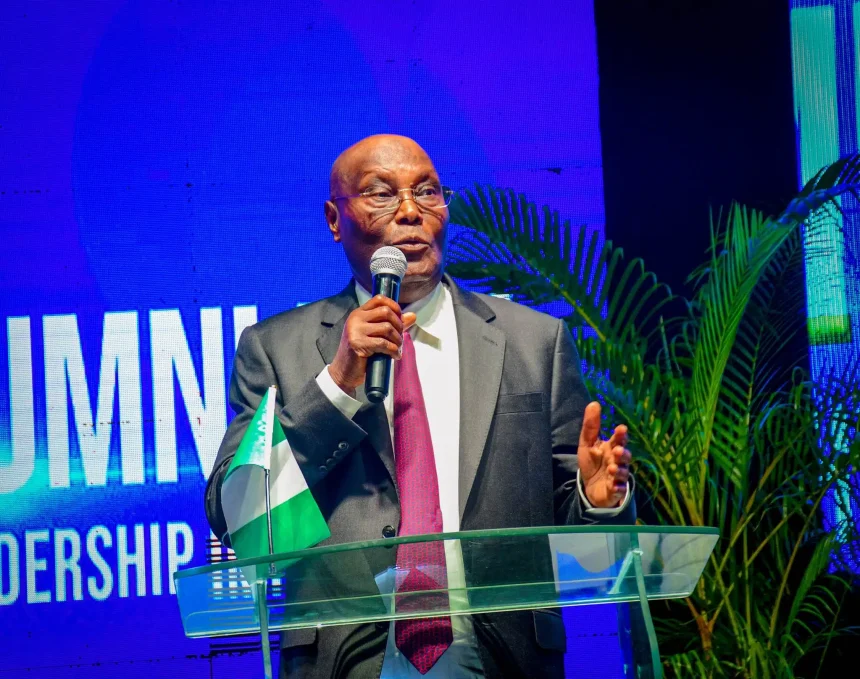
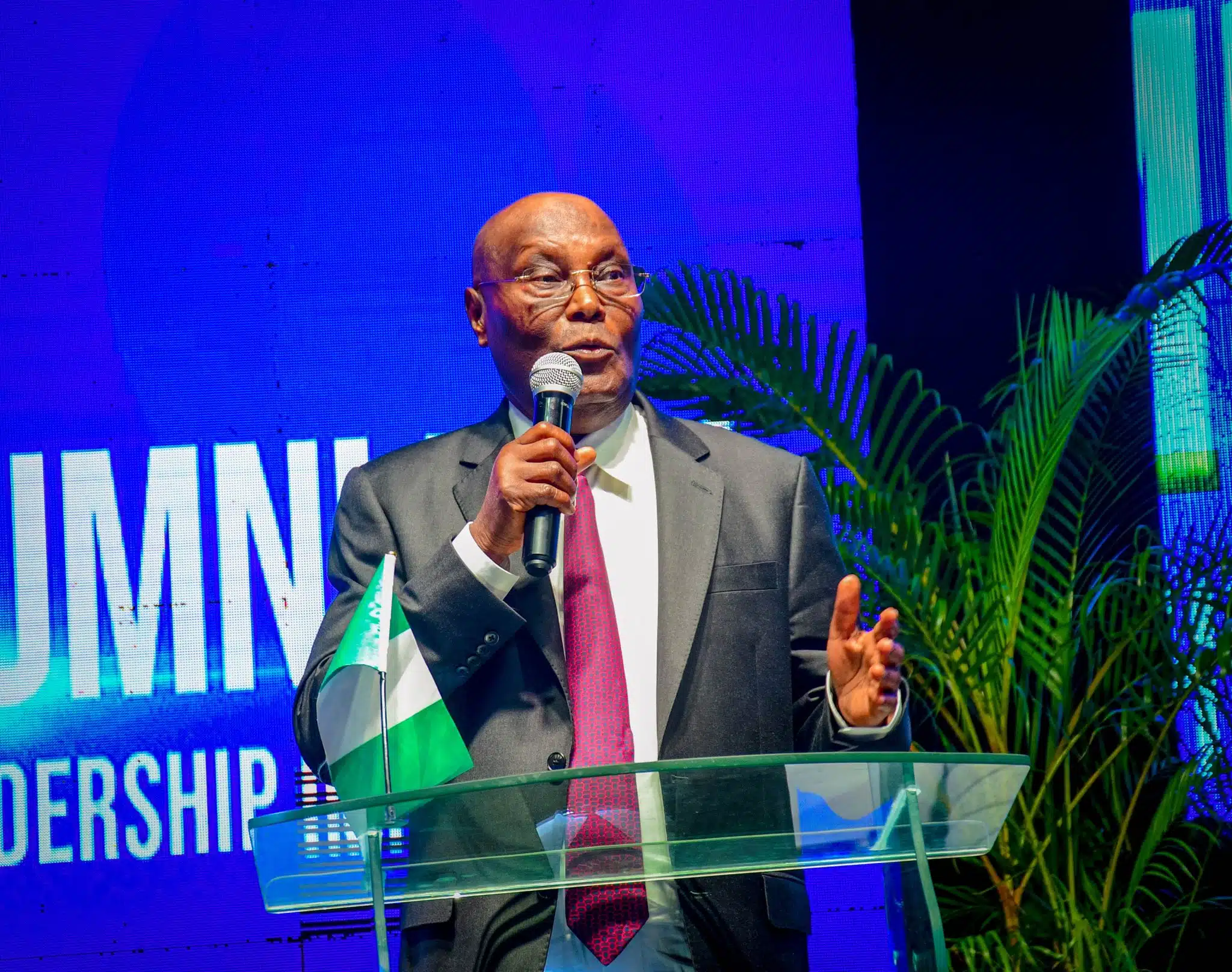
Former Vice President Atiku Abubakar is preparing for a visit to the United States, where he is expected to engage with policy and institutional stakeholders on issues affecting Nigeria.
In a statement released on Sunday by his media aide, Paul Ibe, Eko Hot Blog gathered that Atiku said the trip would focus on drawing attention to what he described as worsening conditions in security, governance, and the economy.
EDITOR’S PICK
- Desmond Elliot Picks Up APC Nomination Form For Lagos Assembly Re-election
- Atiku heads to US over Nigeria crisis
- Ward A3 Unites in Landmark Endorsement of Rep. Wale Raji for Another Term
He warned that the country is grappling with a deepening internal crisis, pointing to ongoing violence in parts of the North West, North East, and Middle Belt, as well as the rise in kidnappings and criminal activities nationwide.
According to him, the situation reflects a broader failure of the state to fulfil its primary duty of protecting lives and property, noting that many communities have been left vulnerable while livelihoods continue to suffer.
Atiku also highlighted the economic strain facing Nigerians, citing inflation, currency instability, and declining purchasing power as key concerns.
He argued that inconsistent policies and a lack of clear direction have weakened confidence in the economy.
Beyond security and economic challenges, he expressed concern about the state of democratic institutions, warning that declining trust in governance and the electoral process could threaten national stability.
Addressing potential criticism of his international engagement, Atiku maintained that speaking openly about Nigeria’s challenges is not unpatriotic.
He said engaging global partners does not amount to inviting external interference, but rather reflects the interconnected nature of modern governance.
He stressed that while Nigerians alone will determine their leadership, the international community has a legitimate interest in the country’s stability and democratic health.
The former vice president also called on the current administration to take urgent steps to address the country’s challenges, urging a shift in priorities and a clear strategy to restore public confidence.
He appealed to citizens to remain active in demanding accountability, noting that meaningful change would ultimately depend on collective action within the country.
FURTHER READING