- Iranian officials insist the United States is attempting to pressure the country into surrender
- he also warned that military strikes could resume at a more intense level if Iran failed to comply with any agreement reached
- Pakistani Prime Minister Shehbaz Sharif, whose government has played a mediating role in the talks
Iran on Thursday denied accusations that it attacked a South Korean cargo vessel in the Strait of Hormuz, as United States President Donald Trump expressed optimism that an agreement to end the ongoing conflict could soon be reached.
In a statement issued by Tehran’s embassy in Seoul, Eko Hot Blog gathered that the Iranian authorities dismissed claims linking its military to an explosion aboard the Panama-flagged cargo ship, HMM Namu, which caught fire on Monday while passing through the strategic waterway with 24 crew members onboard.
EDITOR’S PICK
- Benue Mortician Arrested for Using Corpse Part as Walking Stick
- Baba Yusuf: Bandits May Reach National Assembly
- PDP Asks INEC To Withdraw Recognition Of Anyanwu As National Secretary
The denial came after Trump alleged that Iran had fired at the vessel and called on South Korea to support efforts led by the United States to secure shipping operations in the Strait of Hormuz.
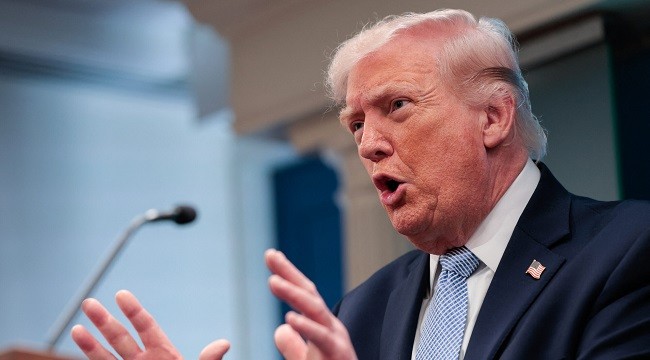
The conflict, which began in late February following military actions by the US and Israel against Iran, has triggered retaliatory attacks across the Middle East and heightened tensions around the vital oil transit route, disrupting global energy markets.
Although Trump said negotiations were making progress, Iran has yet to officially respond to a new proposal from Washington. Iranian officials insist the United States is attempting to pressure the country into surrender.
The US president told reporters on Wednesday that discussions over the past 24 hours had been positive and suggested that a breakthrough was possible.
“We’ve had very good talks over the last 24 hours, and it’s very possible that we’ll make a deal,” Trump said.
However, he also warned that military strikes could resume at a more intense level if Iran failed to comply with any agreement reached.
Iran’s Foreign Ministry spokesman, Esmaeil Baqaei, confirmed that Tehran was still reviewing the American proposal and would relay its response to mediator Pakistan once internal consultations were completed.
Meanwhile, Iran’s parliament speaker, Mohammad Bagher Ghalibaf, accused Washington of trying to weaken Iran through economic pressure, naval restrictions and media campaigns aimed at forcing the country into submission.
Reports from US media outlet Axios indicated that both sides were close to finalising a one-page memorandum intended to formally end the conflict and pave the way for future negotiations on Iran’s nuclear programme.
Pakistani Prime Minister Shehbaz Sharif, whose government has played a mediating role in the talks, expressed confidence that the current diplomatic efforts could result in a lasting peace agreement for the region.
FURTHER READING