- The Senate on Thursday formally rescinded the recent amendments to its Standing Orders 2026, admitting that certain provisions were inconsistent with the 1999 Constitution.
- The overturned rules had sought to restrict principal office positions to senators who had served at least two consecutive terms, a move that would have barred many current and incoming lawmakers from top roles.
- Senator Adams Oshiomhole criticized the initial amendment process, calling it a “moral crisis” and suggesting that leadership should not create laws to perpetrate their own stay or limit competition.
The Senate has backtracked on controversial changes to its internal rules that would have strictly limited who can contest for presiding and principal offices.
Eko Hot Blog reports that during Thursday’s plenary, Senate Leader Opeyemi Bamidele moved a motion to rescind the amendments to Order 2 Subsection 2 and Order 3 Subsection 1.
EDITOR’S PICKS
- JAMB Delists 23 CBT Centres, Warns 89 After Mock UTME Review
- NASA Astronauts Return to Earth After First Human Trip to the Moon in 50 Years
- INEC Shifts Nationwide Voter Revalidation Until After 2027 General Election
He noted that a constitutional review showed these new rules could conflict with Section 52 of the 1999 Constitution. The motion was seconded by Senator Enyinnaya Abaribe and approved by the chamber to “preserve the integrity of its proceedings.”
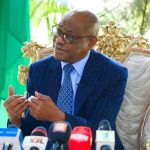
The session was marked by a sharp exchange between Senator Adams Oshiomhole and the Senate leadership.
Oshiomhole argued that the rules were rushed through to satisfy vested interests and protect the seats of current presiding officers against potential challengers in the 11th Assembly.
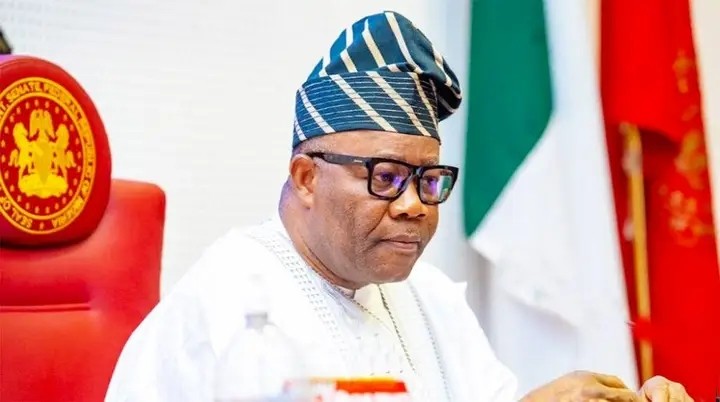
He pointed out that Senate President Godswill Akpabio himself would not have met a “two consecutive term” requirement under certain interpretations, and he urged the leadership not to broaden or narrow rules based on political convenience.
While the Senate leadership clarified that the reversal was a procedural necessity to avoid legal battles, the decision effectively reopens the path for first-term and non-consecutive senators to vie for leadership positions in the future.
The now-discarded rules had established a rigid hierarchy that prioritized former presiding officers and those with eight years of continuous service.
This reversal comes as several outgoing governors prepare to enter the Senate in 2027, many of whom are expected to eye key leadership roles.