- According to him, it was troubling that some thugs travel in luxury while university lecturers struggle financially
- He maintained that elections should be conducted in a way that ensures only genuine winners emerge
- He said Nigeria’s democratic future depends on stronger institutions, credible elections and adherence to the rule of law
Former President Goodluck Jonathan has expressed concern over the growing influence of political thuggery in Nigeria, describing the country as the only one in Africa where thuggery has evolved into a profession.
Eko Hot Blog reports that Jonathan spoke on Wednesday during the opening of the Nigerian Bar Association (NBA) Law Week in Abuja, where he urged reforms in Nigeria’s electoral and judicial systems to strengthen democracy and restore confidence in the electoral process.
EDITOR’S PICK
- Fani-Kayode, Omokri Oppose Return Of Power To North Before 2031, Endorse Tinubu For 2027
- Putin defends Ukraine war amid NATO aggression claims
- Epe Stakeholders Unite in Massive Endorsement for Wale Raji, Tobun, Tinubu, Others
The former president lamented the status accorded to political thugs in society, noting that some now enjoy privileges that surpass those of academics.
According to him, it was troubling that some thugs travel in luxury while university lecturers struggle financially.
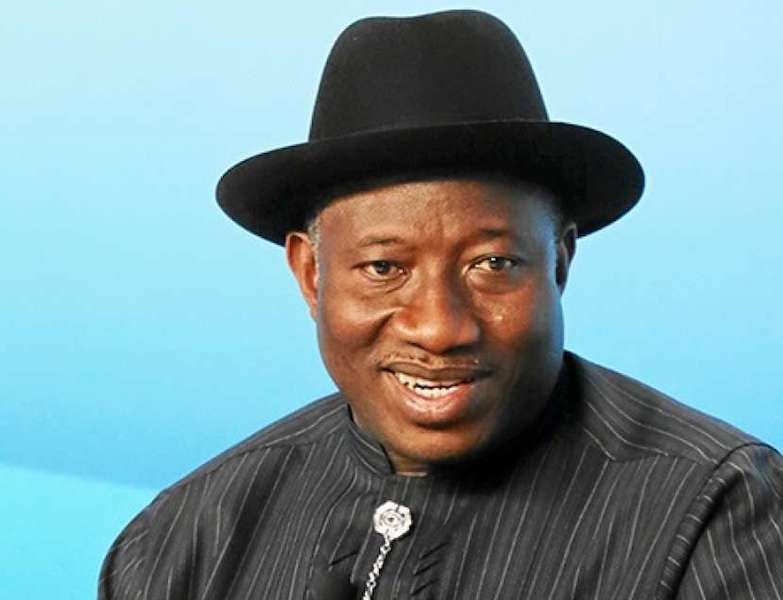
“Nigeria is the only country in Africa where thuggery has become a profession. In some cases, thugs travel first class while university professors struggle to afford economy tickets,” he said.
Jonathan likened the situation to an inverted social order, stressing that the country must reform its electoral process to eliminate the role of political violence.
He maintained that elections should be conducted in a way that ensures only genuine winners emerge and discourages intimidation, violence and manipulation.
The former president also expressed concern over the participation of youths in election-related violence, noting that such behaviour is uncommon in many African countries.
He said Nigeria’s democratic future depends on stronger institutions, credible elections and adherence to the rule of law.
Jonathan questioned whether the nation’s institutions were becoming stronger or weaker and warned that democracy could be endangered if foundational structures were undermined.
He emphasised the need to preserve the independence of the Independent National Electoral Commission and the judiciary.
According to him, INEC must remain independent both in principle and practice, while citizens must have confidence that their votes count and election outcomes truly reflect the will of the people.
He warned against the judiciary being used for political interests, saying courts should not become tools for overturning the mandate of voters.
Jonathan also highlighted Nigeria’s high rate of election-related litigation, describing it as unusual compared to other African countries.
Recalling a conversation with a South African official, he said the idea of challenging election results in court appeared unfamiliar in South Africa, unlike Nigeria where post-election lawsuits are common.
He argued that many politicians approach the courts because they believe electoral outcomes can be altered through judicial intervention.
The former president called for reforms in electoral adjudication, proposing either the creation of a constitutional court or a specialised tribunal to handle election disputes.
Jonathan further decried Nigeria’s low voter turnout despite being Africa’s most populous nation, describing it as among the lowest on the continent.
He cited Senegal’s recent election as an example of how credible polls can be achieved without sophisticated technology when stakeholders commit to transparency.
Also speaking at the event, former Attorney-General of the Federation, Mohammed Adoke (SAN), criticised the increasing monetisation of politics, saying it was limiting participation and weakening democracy.
Adoke urged political parties to uphold internal democracy and warned against using expensive nomination forms to shut out credible aspirants.
He also criticised the growing use of consensus arrangements within parties, arguing that they often replace democratic competition with predetermined outcomes.
The former AGF called on Nigerians to prioritise competence when electing leaders and praised Jonathan for peacefully conceding defeat in the 2015 presidential election.
NBA President Afam Osigwe (SAN) also raised concerns about the growing judicialisation of Nigeria’s democratic process, warning that courts were increasingly determining electoral outcomes.
He stressed the need to protect democracy from violence, electoral manipulation and thuggery, while expressing hope that the 2027 elections would become a benchmark for credible democratic practice in the country.
FURTHER READING