- It is a period of gratitude to God for protection, good health and progress
- Many attendees described the event as not only a celebration of tradition but also a boost for local businesses.
- She urged parents to actively involve their children in cultural activities.s
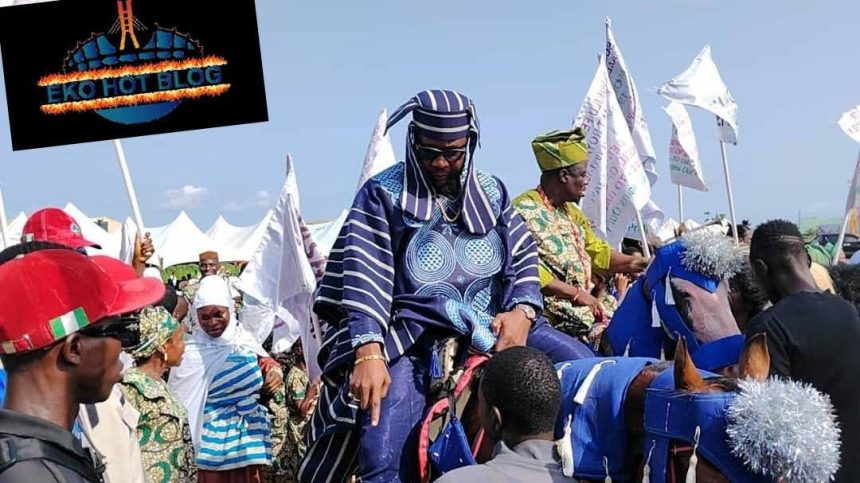
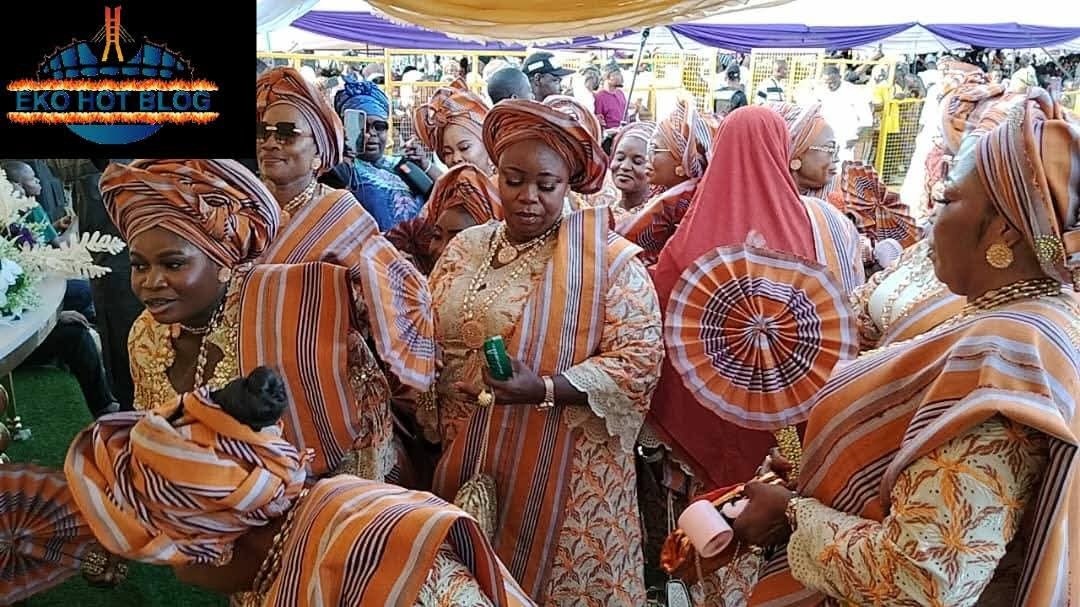
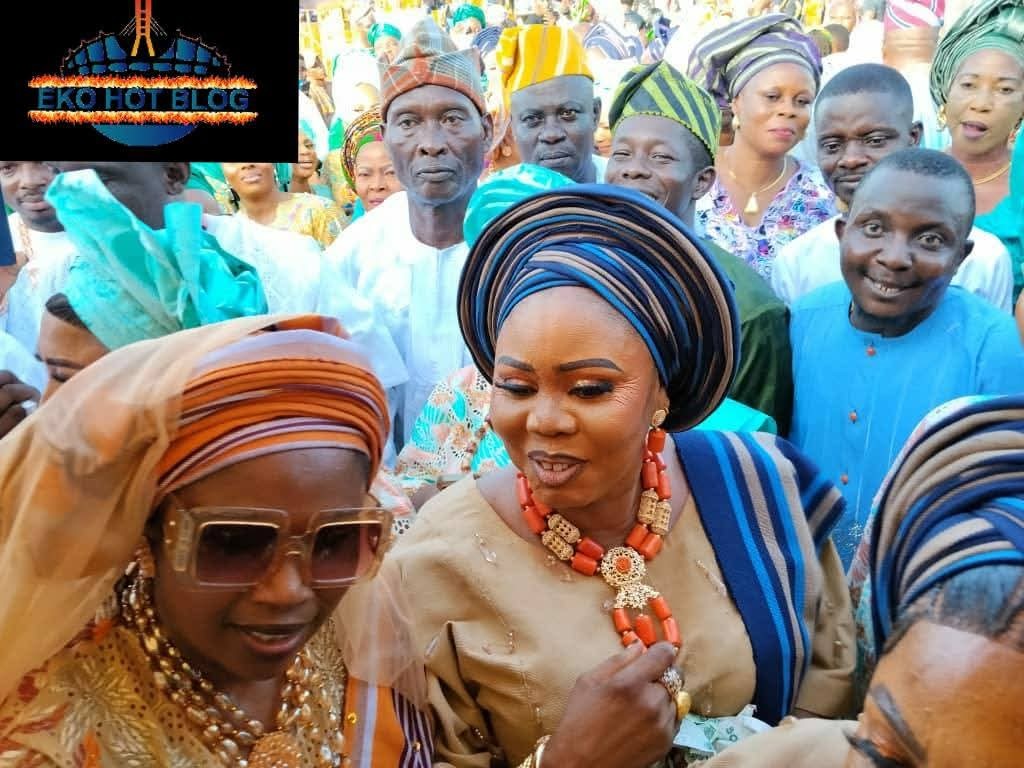
Marina Waterfront in Epe, Lagos State, came alive on Friday as thousands of residents, traditional chiefs, cultural groups, dignitaries and visitors gathered for the 2026 Ojúde Ọba Festival, a colourful celebration of unity, culture and royal heritage.
Eko Hot Blog gathered the annual event attracted sons and daughters of Epe from across Nigeria and the diaspora, who returned home to honour the traditional ruler of the kingdom and participate in one of the community’s most cherished cultural celebrations.
EDITOR’S PICK
- APM Endorses Makinde For 2027 Presidency, Targets PDP Members In Osun
- Eredo Monarchs Suspend Ojude Oba Celebrations in Honour of Late Omola of Odomola
- “Do Not Cheat Back”—Actress Eriata Ese Warns Women Against Revenge Infidelity
The waterfront was transformed into a vibrant cultural arena as age-grade groups, families, community associations and traditional performers showcased rich displays of music, dance and heritage, all in honour of the monarch.
Ojúde Ọba, meaning “the king’s forecourt,” is a long-standing Yoruba cultural festival traditionally celebrated on the third day following the Eid-el-Kabir (Ileya) festivities. It serves as a moment of thanksgiving, reunion and cultural expression, where indigenes gather to pay homage to their king while strengthening communal bonds.
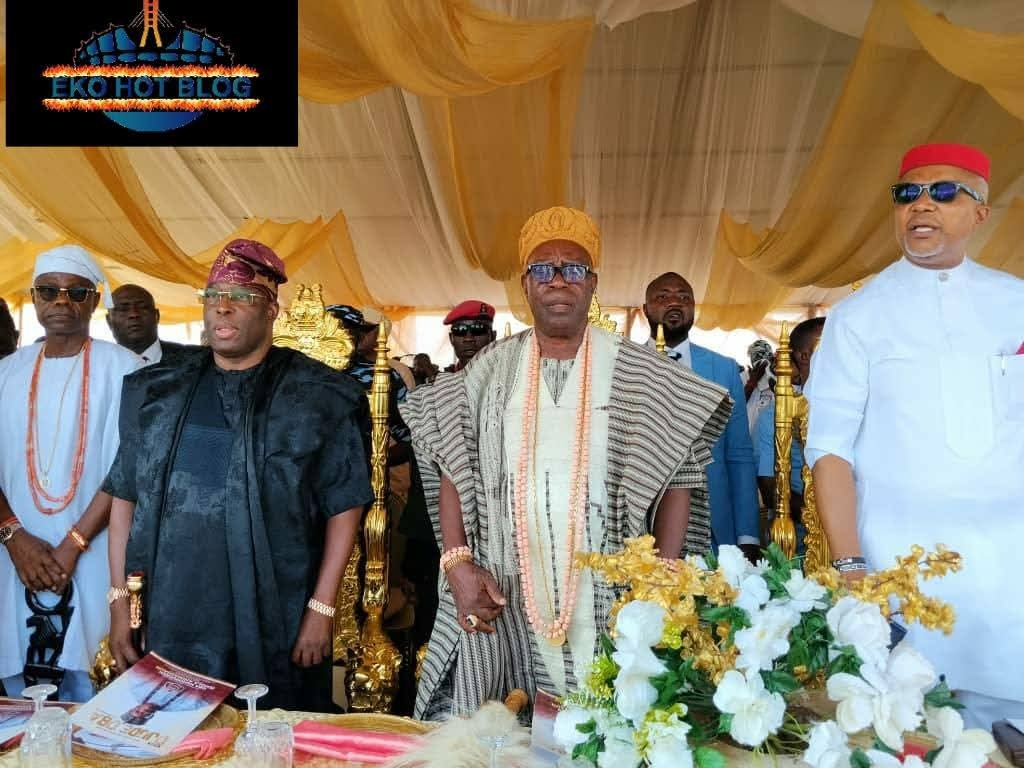
Speaking at the event, Princess Surah Olayemi Kosoko described Ojúde Ọba as a cultural heritage that should be protected and passed on to future generations.
She noted that the festival’s timing after Eid-el-Kabir provides a rare opportunity for Epe indigenes living abroad to reconnect with their roots and spend quality time with their families.
According to her, the annual gathering has become more than a cultural celebration, serving as a bridge that connects younger generations to the traditions and values of their ancestors.
She urged parents to actively involve their children in cultural activities so they can appreciate the history and identity of the Epe people.
“The preservation of our culture depends on what we teach the next generation. Events like Ojúde Ọba allow our children to understand who they are and where they come from,” she said.
Also speaking, the Bobajiro of Epe Land, Chief Tunde Oluyeru, described the festival as a unique occasion dedicated to honouring the monarch and celebrating the unity of the kingdom.
He explained that people from different communities within Epe and beyond travel home every year to greet the king and participate in the festivities.
According to him, the long-standing relationship between Eid-el-Kabir and Ojúde Ọba has helped sustain the festival’s popularity over the years.
“When families come home for Ileya, they stay back to celebrate Ojúde Ọba. It creates an atmosphere of joy and strengthens family relationships,” he said.
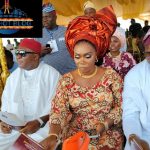
The Erulu Oba of Epe Land, Chief Mrs Iyabo Osifeso, highlighted the spiritual significance of the event, describing it as a period of gratitude to God for protection, good health and progress.
She encouraged young people to embrace hard work, discipline and perseverance, stressing that success is achieved through dedication and commitment.
Osifeso noted that cultural celebrations such as Ojúde Ọba should inspire young people to appreciate the sacrifices made by previous generations while working towards a brighter future.
Adding her voice, Iya Afin Titilayo Alausa said the festival continues to play a vital role in promoting peace, unity and mutual respect among the people of Epe.
She expressed appreciation to community leaders, royal families, cultural groups and volunteers whose efforts contributed to the successful organisation of the event.
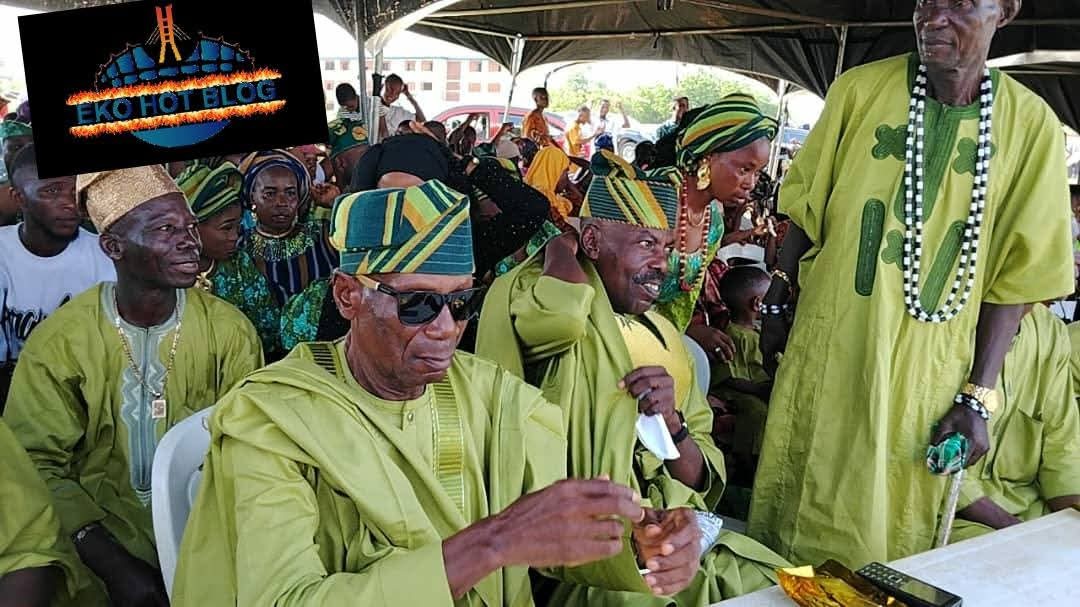
As the celebration progressed, the Marina Waterfront became a showcase of Epe’s cultural richness. Traditional drummers entertained guests with rhythmic performances, while dancers and age-grade groups thrilled spectators with coordinated displays that reflected the history and identity of the kingdom.
Many attendees described the event as not only a celebration of tradition but also a boost for local businesses, as traders, artisans, food vendors and transport operators benefited from the influx of visitors.
The festival also attracted political leaders, business executives and prominent sons and daughters of Epe who joined residents in celebrating the community’s enduring cultural legacy.
For many participants, Ojúde Ọba remains more than an annual gathering. It is a living expression of Epe’s history, a reunion of families and friends, and a reminder of the values that have sustained the kingdom for generations.
The 2026 edition of Ojúde Ọba once again reaffirmed its place as one of Lagos State’s most treasured cultural celebrations, showcasing the pride, unity and resilience of the Epe people.
FURTHER READING