- Toriola encouraged critics to compare local data rates with those obtainable in countries such as Kenya and the Democratic Republic of Congo
- He argued that data prices offered by telecom operators in Nigeria, including both MTN and competing networks, remain highly competitive
- According to the commission, the decision was also intended to encourage continued investment in infrastructure
The Chief Executive Officer of MTN Nigeria, Karl Toriola, has defended the pricing of mobile data services in Nigeria, insisting that internet costs in the country remain among the lowest globally despite recent tariff adjustments.
Speaking at the MTN Data Trial Conference held in Lagos on Saturday, Eko Hot Blog reports that Toriola responded to concerns raised by consumers and social media commentators over the cost of data bundles offered by telecommunications operators.
EDITOR’S PICK
- Akpabio Dismisses Reports of Promising APC Tickets to Defeated Senators
- Court Discharges Baba Adinni of Lagos, Upholds No-Case Submission
- “Verify Information Before Spreading It” — Alara Warns on Security
According to him, comparisons with several African countries and other markets around the world show that Nigerian subscribers still enjoy relatively affordable data services.
He argued that data prices offered by telecom operators in Nigeria, including both MTN and competing networks, remain highly competitive even after the recent increase in tariffs.
Toriola encouraged critics to compare local data rates with those obtainable in countries such as Kenya and the Democratic Republic of Congo, maintaining that such comparisons would reveal that Nigeria ranks among the countries with the most affordable internet services.
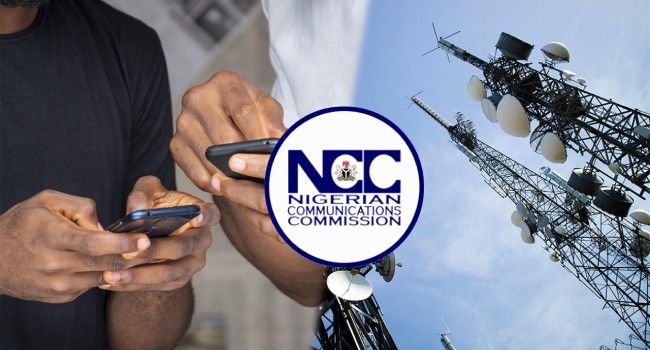
His comments come months after the Nigerian Communications Commission approved a 50 per cent increase in telecommunications tariffs.
The adjustment, introduced in January 2025, affected the cost of airtime and data services nationwide. The NCC explained at the time that the review was necessary to address rising operational expenses and support the long-term sustainability of the telecommunications industry.
The regulator noted that while some operators had requested a steeper increase, the approved adjustment was designed to balance industry needs with consumer protection.
According to the commission, the decision was also intended to encourage continued investment in infrastructure, improve network quality, expand coverage and enhance customer experience.
Despite those assurances, the tariff review generated criticism from many Nigerians who argued that the increase placed additional financial pressure on consumers already facing economic difficulties.
Labour groups, including the Nigeria Labour Congress, also opposed the move, describing it as an added burden on workers and households struggling with rising living costs.
However, industry stakeholders maintain that the tariff adjustment is necessary to ensure operators can continue investing in technology, innovation and service improvements needed to meet growing demand for digital connectivity across the country.
FURTHER READING