- US President Donald Trump has threatened to execute severe military strikes against Iran if the country does not actively prevent its Lebanese proxy, Hezbollah, from engaging in further regional hostilities.
- The warning came on Sunday as crucial, high-level peace negotiations between senior United States and Iranian officials officially commenced in Switzerland to salvage a preliminary peace agreement.
- The high-stakes talks opened amid a resurgence of heavy cross-border clashes in southern Lebanon between the Israeli military and Hezbollah, creating severe friction for the newly signed bilateral memorandum of understanding.
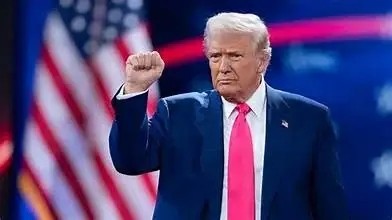
United States President Donald Trump on Sunday issued a direct warning to Tehran, threatening severe military strikes if the Iranian government fails to stop Hezbollah from continuing hostilities in southern Lebanon.
The warning coincided with the official commencement of peace negotiations between senior US and Iranian diplomatic delegations in Switzerland.
EDITOR’S PICK
- Hamzat Appoints Obanikoro as Campaign DG Ahead of 2027 Lagos Governorship Race
- Tinubu’s State Police Plan Gains Momentum as Amendment Looms
- Residents Raise Alarm After Two Bodies Found in Lagos Waterway
The high-stakes diplomatic talks opened under intense pressure due to recent border clashes between the Israeli military and Hezbollah, a prominent regional ally of Tehran.
The flare-up has threatened to undermine a preliminary memorandum of understanding signed between Washington and Tehran on Wednesday, which explicitly mandates an immediate cessation of hostilities across all regional fronts, including Lebanon.
Taking to his Truth Social platform, Trump demanded that Iran immediately restrain its proxy forces.
He warned that failure to comply would result in retaliatory action, referencing similar military measures executed by the United States during the previous week.
While the rhetoric remained tense, US Vice President JD Vance expressed optimism at the launch of the Swiss summit, stating that notable progress had been achieved over the weekend to stabilize the situation in Lebanon.
Vance affirmed that the administration remains fully committed to securing a broader regional peace agreement, though he acknowledged that significant diplomatic hurdles still remain.
The latest round of border friction included heavy Israeli airstrikes on Saturday that resulted in at least 30 casualties in eastern and southern Lebanon.
The situation quieted down later that evening following a formal directive ordering the Israeli military to halt active operations against Hezbollah positions.
Vice President Vance maintained that the proactive diplomatic interventions of the United States have been the primary driver in preventing a total escalation of the conflict in recent months.