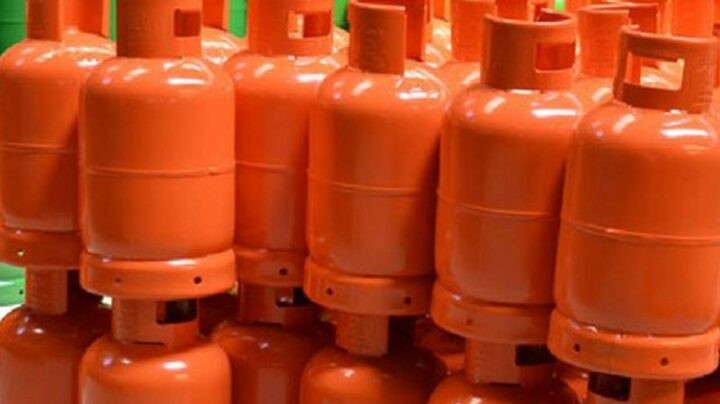
If you have visited a gas station recently to refill your cooking cylinder, you probably noticed the price has jumped sharply.
In some parts of Lagos and other south-western cities, cooking gas now sells for as high as N2,100 per kilogram. In the north-central zone, prices range between N1,550 and N1,950 per kilogram. Even in the south-south, consumers are paying between N1,400 and N2,000 per kilogram.
EDITOR’S PICKS
These figures are far above what the Nigerian Midstream and Downstream Petroleum Regulatory Authority (NMDPRA) says the gas should cost. The regulator’s indicative price for the south-west, for instance, is between N1,018 and N1,177 per kilogram, meaning some Nigerians are paying nearly double the benchmark. The NMDPRA made these disclosures at an emergency meeting convened by the Ministry of Petroleum Resources to address the crisis.
So what is driving the surge?
Nigeria Is Not Producing Enough Gas for Itself
The first problem is supply. Between January and June 2026, Nigeria needed 657,072 metric tonnes of liquefied petroleum gas (LPG) — the type used for cooking — but only managed to supply 565,106 metric tonnes. That left a deficit of nearly 92,000 metric tonnes, pushing market coverage down to 86 percent from 88.4 percent the previous year.
Part of the reason supply is tight is that some of the gas produced in Nigeria never reaches Nigerian consumers at all.
Chevron Nigeria, for example, produced 148,222 metric tonnes of LPG between January and May 2026 and exported every single tonne of it. That volume alone accounts for nearly a quarter of total LPG production during the period. The NMDPRA says it will need to engage Chevron’s upstream regulator and the petroleum ministry to stop this and redirect more volumes to local use.
Meanwhile, oil marketing companies that were allocated import quotas to cover the shortfall have barely stepped up. Of the 390,000 metric tonnes approved for import in the second quarter, marketers achieved just 4.2 percent of that target. If the situation does not improve, the regulator warns that the supply gap could reach 165,000 metric tonnes in the third quarter.
Too Many Middlemen, Too Little Infrastructure
Even where gas is available, getting it from producers to consumers has become expensive, largely because of how the distribution chain has been distorted.
Ordinarily, terminal operators — companies with the storage tanks and distribution equipment — should be buying gas directly from producers. Instead, traders with no infrastructure have muscled into that role, becoming the dominant off-takers from producers. Terminal operators are then forced to buy from these middlemen, adding layers of cost that ultimately land on the consumer.
The NMDPRA says it has begun auditing the system and taking enforcement action to restore direct access for terminal operators. The regulator says these efforts have already helped push LPG stock sufficiency from 11 days to 22 days, and that average daily supply rose from 4,262 metric tonnes in May to 5,040 metric tonnes in June.
What Happens Next
The government says it is not short of plans. The NMDPRA says it is working to improve foreign exchange access for LPG importers, deploy tracking technology across the supply chain, and invest in gas infrastructure through the Midstream and Downstream Gas Infrastructure Fund.
On the production side, the Anoh Gas Processing Plant in Delta State is expected to begin contributing additional volumes to the domestic market from July 2026, which could help ease the supply crunch.
FURTHER READING
But for now, Nigerians filling their cylinders are bearing the cost of a supply chain that is leaking at every joint, from the wellhead to the retailer’s pump.
Philip Ibitoye is a Special Correspondent with EKO HOT BLOG. Click here to find daily analysis and critical insight on trending issues in Lagos and other parts of Nigeria.
Click to watch the video of the week below: