
While security agencies celebrated the operation as a breakthrough made possible by digital identity reforms, the incident has also exposed difficult questions about how suspected terrorists were able to leave the country for one of the world’s largest religious pilgrimages before being intercepted on their return.
EDITOR’S PICK
- UN Mobilizes Humanitarian Aid For Venezuela Following Twin Earthquakes
- Dollar To Naira Exchange Rate Today, June 26, 2026
- Concerns As Repentant Boko Haram Members Allegedly Join Army Recruitment
The suspects were arrested on June 19, 2026, shortly after arriving from Saudi Arabia, where they had participated in the annual Hajj pilgrimage. According to Minister of Interior Dr. Olubunmi Tunji-Ojo, they were immediately handed over to the Department of State Services (DSS) for investigation.
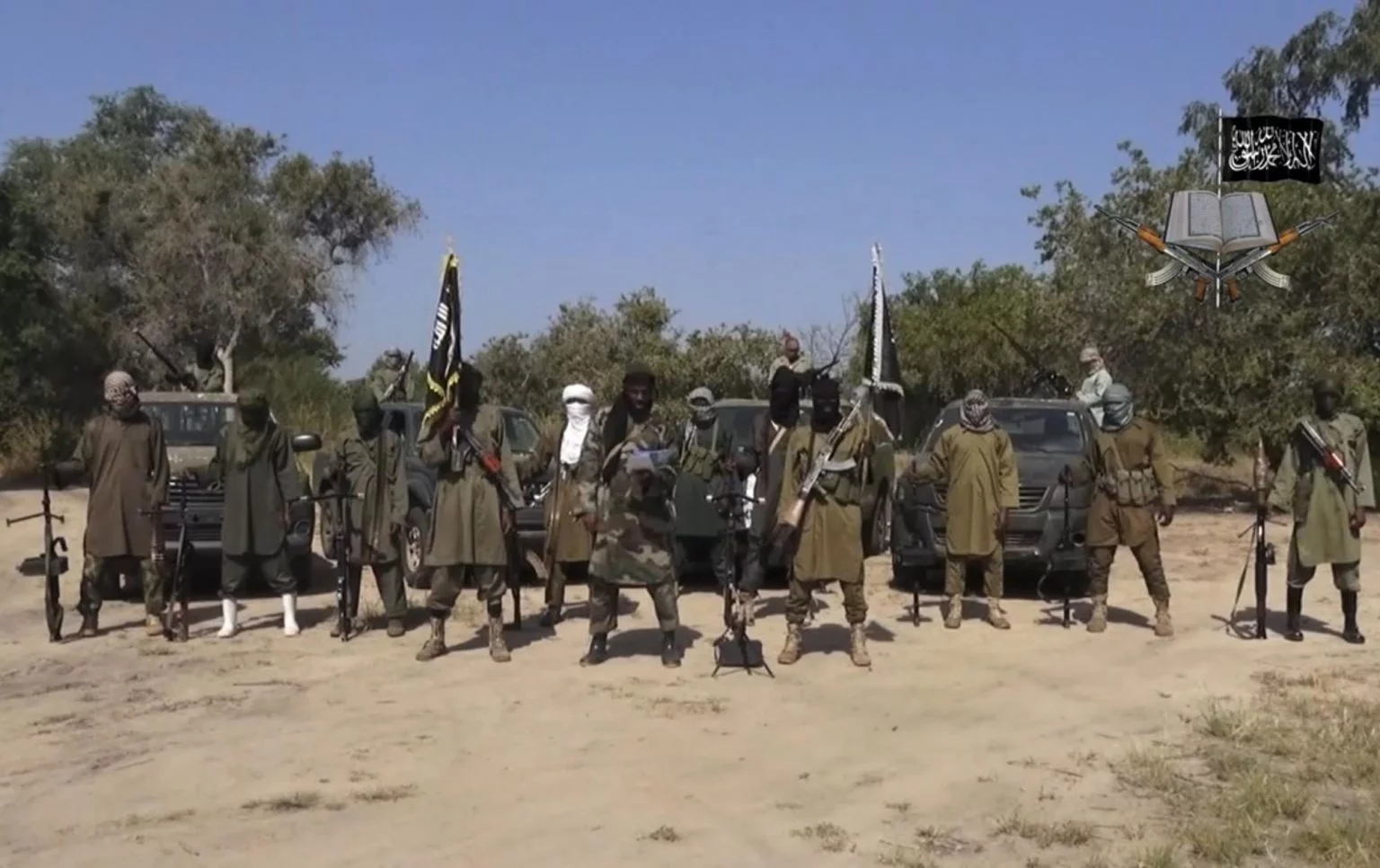
The arrests only became public days later during the signing of the National Identity Management Commission (NIMC) Act 2026 by President Bola Tinubu. Standing before journalists at the Presidential Villa, the minister described the operation as proof that Nigeria’s investment in digital identity management was beginning to produce tangible security results.
For years, Nigeria struggled with disconnected government databases. Immigration records, National Identification Numbers, passport information and security watchlists existed separately, making it difficult for agencies to exchange intelligence in real time. That weakness created loopholes that criminals and suspected terrorists could exploit.
Government officials now say those loopholes are gradually being closed.
According to the Interior Minister, the NIMC database has been integrated with the Nigeria Immigration Service and linked directly to Interpol’s global database. This allows immigration officers to verify travellers through biometric information while simultaneously checking local and international security records whenever they enter or leave the country through official airports.
Officials believe this integration enabled security operatives to identify the seven suspects immediately they arrived in Katsina.
Beyond the immediate arrests, the operation demonstrates how technology is increasingly becoming a frontline weapon against organised crime and terrorism. Countries across the world now rely on biometric identity systems to detect wanted persons, monitor suspicious travel patterns and strengthen border security. Nigeria appears to be moving in the same direction.
However, while the arrests have been widely praised, they have also raised uncomfortable questions that remain unanswered.
If the seven men were already known Boko Haram and ISWAP commanders, how were they able to obtain travel documents, pass through immigration and leave Nigeria for Saudi Arabia without being stopped?
The government has yet to explain whether the suspects were already on security watchlists before travelling or whether intelligence linking them to terrorist groups only became available while they were abroad. Their identities have not been released, and authorities have not disclosed whether formal criminal charges have been filed against them.

The Hajj pilgrimage is one of the most organised international travel exercises involving Nigerians every year. Pilgrims are required to obtain valid passports, secure Saudi visas, undergo biometric registration and complete several administrative procedures coordinated through the National Hajj Commission of Nigeria and state pilgrims’ welfare boards.
Given these requirements, security experts believe the incident presents an opportunity for government agencies to review existing screening procedures and strengthen intelligence sharing before pilgrims depart the country, rather than waiting until they return.
The arrests also coincide with the implementation of the new NIMC Act 2026, which replaces the outdated 2007 law governing Nigeria’s national identity system. The new legislation seeks to strengthen digital identity management, promote data sharing among government agencies and improve the use of technology in security, financial services and public administration.
Officials argue that the reforms will not only improve service delivery but also enhance Nigeria’s ability to detect identity fraud, financial crimes and terrorist movements.
Despite these improvements, security analysts caution that technology alone cannot defeat terrorism.
Boko Haram and ISWAP continue to exploit Nigeria’s vast and porous land borders, where surveillance remains far more difficult than at international airports. While biometric systems can monitor formal entry and exit points, insurgents often move across remote border communities without passing through official checkpoints.

This means that digital identity reforms, though important, must be complemented by stronger intelligence gathering, improved border patrols, effective prosecution of terrorism suspects and closer cooperation among security agencies.
The Katsina arrests therefore represent both progress and a reminder of the work that still lies ahead.
They demonstrate that Nigeria’s digital identity infrastructure is becoming more sophisticated and capable of supporting national security objectives. At the same time, they expose the need to strengthen pre-departure screening, improve intelligence coordination and ensure that wanted individuals are identified before leaving the country rather than after returning.
As investigations continue, several questions remain unanswered. Who exactly are the seven suspects? How long had they been under surveillance? Were they already known to security agencies before travelling to Saudi Arabia? And could similar cases have gone undetected before Nigeria’s identity databases were integrated?
The answers to those questions will determine whether this operation becomes merely an isolated success or the beginning of a more effective and technology-driven counterterrorism strategy.
One thing, however, is already clear. The arrest of the seven suspected terrorists has shown that Nigeria’s digital identity reforms are beginning to reshape the country’s security landscape. Whether those reforms will be enough to outpace increasingly sophisticated terrorist networks will depend not only on technology but also on sustained political will, stronger institutions and consistent intelligence-led policing.
FURTHER READING