- FG and the UN called for innovative funding to accelerate SDG implementation before 2030
- Officials urged stronger private sector participation and increased domestic resource mobilisation
- Stakeholders stressed the need to focus on action rather than discussions to achieve development goals
The Federal Government and the United Nations have renewed calls for stronger collaboration, alternative financing models and faster implementation of development initiatives to improve progress towards the Sustainable Development Goals (SDGs) before the 2030 target.
Eko Hot Blog gathered that the appeal was made on Monday during the Joint United Nations Sustainable Development Cooperation Framework 2023–2027 Steering Committee Meeting held at the UN House in Abuja.
EDITOR’S PICK
- 175th Kayokayo Festival Grand Finale: Epe Celebrates 175 Years of Faith, Heritage, Unity and Prosperity
- Wale Raji Reaffirms Commitment at KayoKayo Finale
- India: Massive Garbage Heap Collapse Kills Nine Workers at Waste-to-Energy Plant
Minister of Budget and Economic Planning, Abubakar Bagudu, said the limited time remaining before 2030 demands urgent action from governments and development partners, stressing that planning alone is no longer enough.
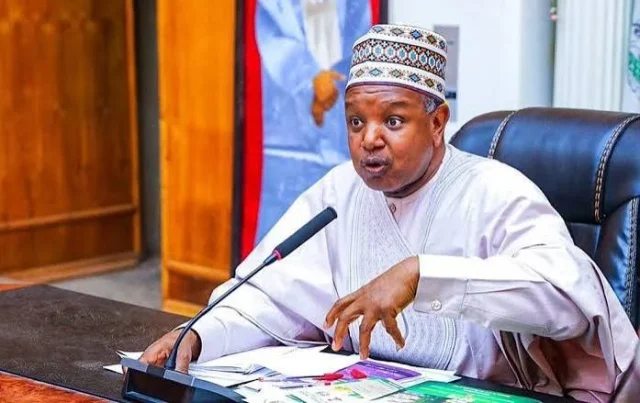
He noted that Nigeria’s economic reforms had created additional resources for development but explained that public funds alone would not be sufficient to achieve the SDGs.
According to Bagudu, attracting private sector investment and other innovative funding sources is essential to closing the financing gap and supporting the country’s ambition of building a $1 trillion economy while reducing poverty.
United Nations Resident Coordinator in Nigeria, Mohamed Fall, also expressed concern that progress toward the SDGs remains slow both globally and in Nigeria.
He observed that many development targets are either advancing too slowly or have fallen behind expectations, urging stakeholders to focus on practical actions rather than repeated discussions.
Fall said the decline in international development assistance should encourage countries to strengthen domestic resource mobilisation, engage the private sector and expand partnerships with civil society organisations.
He also encouraged the United Nations system to embrace digital technology and artificial intelligence to improve efficiency and deliver better development outcomes.
Despite existing challenges, the UN official said Nigeria possesses enormous potential for innovation, entrepreneurship and private sector-led growth capable of driving sustainable development.
Minister of Humanitarian Affairs and Poverty Reduction, Dr Bernard Doro, reaffirmed the Federal Government’s commitment to tackling poverty through President Bola Tinubu’s Renewed Hope Agenda.
He highlighted the One Humanitarian One Poverty Response System as a key initiative designed to integrate humanitarian intervention, social protection and poverty reduction under a unified national framework.
Doro added that the National Poverty Intelligence Lab would strengthen data collection and analysis, enabling better targeting of interventions and improved accountability.
Also speaking, the Minister of State for Budget and Economic Planning, Dr Doris Uzoka-Anite, urged stakeholders to move beyond discussions and focus on implementing development programmes.
She called on the United Nations to support Nigeria in accessing innovative financing options, including guarantees and other mechanisms that could lower borrowing costs and accelerate the achievement of the Sustainable Development Goals.
FURTHER READING