
A major new clinical trial has begun testing whether an experimental drug can stop Alzheimer’s disease before it produces memory loss or any other symptoms in people at high risk of developing the condition.
The Phase III study, called PrevenTRON, will enrol about 1,600 adults aged 55 to 80 who are cognitively healthy but carry blood markers linked to early-stage Alzheimer’s.
EDITOR’S PICKS
Unveiled at in London, the trial has been described by scientists as a potential turning point in how the disease is treated — shifting focus from managing symptoms after they appear to intervening years before irreversible brain damage sets in.
How the drug works
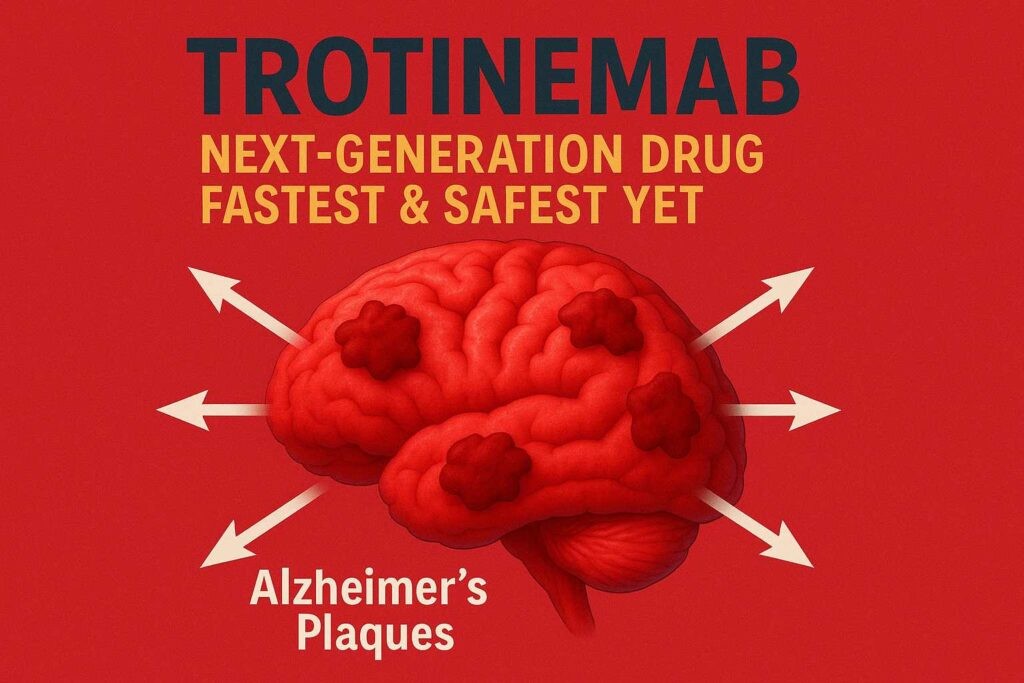
The therapy, trontinemab, is manufactured by Swiss pharmaceutical giant Roche and administered as a monthly infusion. It is a next-generation successor to lecanemab and donanemab — the first Alzheimer’s drugs proven to slow disease progression, both licensed in the UK but not funded by the NHS on cost-effectiveness grounds.
Trontinemab works by clearing amyloid plaques, sticky protein deposits that build up in the brain and are strongly linked to Alzheimer’s. Early data suggest it can clear these plaques after roughly three monthly infusions, a notably faster response than existing approved therapies.
Modelling based on 178 patients and 477 brain scans indicates that top-up doses every three months could keep plaque levels low for up to 18 months. The drug has also been engineered to reach the brain more efficiently and cause fewer side effects than earlier treatments, which researchers hope will lower monitoring costs.
A blood test to catch it early
Central to the trial is a blood test measuring p-tau217, a biomarker associated with early Alzheimer’s development. Data presented at the conference showed the test can identify the disease with up to 95 percent accuracy.
Only volunteers with elevated p-tau217 levels will be eligible for PrevenTRON, while younger applicants will also need additional genetic or family risk factors.
The stakes of early detection were underscored by a separate study of nearly 2,700 cognitively healthy adults, which found that those with the highest p-tau217 levels had a 78 percent likelihood of developing cognitive problems within ten years.
“The future of Alzheimer’s care”
Maria Carrillo, chief science officer at the Alzheimer’s Association, said targeting the disease in its symptom-free “silent stage” could deliver the greatest benefit to patients. “This is the future of Alzheimer’s care,” she said, adding that early treatment might even prevent some people from ever experiencing dementia symptoms.
Rachel Buckley, associate professor of neurology at Harvard Medical School, called the new generation of treatments “wonderful” and said she expects to see results in symptom-free individuals within the next one to two years. “If these trials are positive, the game changes,” she said.
Hilary Evans-Newton, chief executive of Alzheimer’s Research UK, said the field was moving toward what she described as a “statin for the brain” — a routine, preventive treatment offered in mid-life, long before symptoms emerge.
Caution amid the optimism
Despite the enthusiasm, scientists stressed that it remains unproven whether clearing amyloid plaques actually prevents or meaningfully delays cognitive decline in people who are not yet symptomatic.
Previous drugs slowed decline in patients who already had symptoms — by 27 percent for lecanemab and 35 percent for donanemab — but PrevenTRON is testing a different question entirely: whether acting before symptoms start can stop the disease altogether. Results are not expected for several years.
FURTHER READING
The trial arrives against a backdrop of rising need. Close to one million people in the UK currently live with dementia, a number projected to reach 1.4 million by 2040.
Philip Ibitoye is a Special Correspondent with EKO HOT BLOG. Click here to find daily analysis and critical insight on trending issues in Lagos and other parts of Nigeria.
Click to watch the video of the week below: