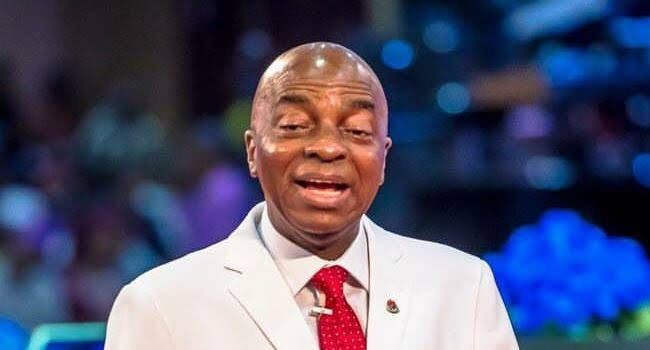
David Oyedepo, presiding bishop of Living Faith Church Worldwide, on Sunday, urged members of his church to obtain their voter cards and take part in Nigeria’s electoral process.
Speaking at the Faith Tabernacle in Ota, Ogun State, Oyedepo said Christians carry a civic duty to help decide who governs their nations, adding that the church, present in 144 countries, would use its numbers to have “a say” in national affairs.
EDITOR’S PICKS
- What Tinubu Wants ICPC To Uncover About PFIPC, Adeyemi
- 2% of GDP ‘Missing’ or Just Unreported? Inside the IMF Controversy
The bishop’s charge lands at a significant moment. With the 2027 general election drawing closer and the Osun governorship poll holding on August 15, 2026, calls for voter participation from influential figures carry weight well beyond the pulpit.
A turnout problem that keeps getting worse
Oyedepo’s message speaks directly to one of Nigeria’s most persistent democratic weaknesses: falling voter turnout. In the 2023 general election, only 24.9 million of the 93.47 million registered voters cast their ballots, a turnout of 26.72 percent, the lowest since the return to democracy in 1999.
That figure represented a sharp decline from the 34.74 percent turnout recorded in the 2019 general election.
The slide has been going on for years. Turnout has followed a pattern of decline stretching back roughly two decades, and by 2023 it stood at barely half of the 50 percent benchmark INEC had targeted.
For the National Assembly polls held the same day, only 29 percent of eligible voters turned out, down from 36 percent in 2018.
Analysts have blamed a mix of factors: voter apathy, distrust in INEC, logistical failures, insecurity, and the belief among many Nigerians that their votes do not truly determine outcomes.
Against this backdrop, Oyedepo’s call for church members to register, collect their permanent voter cards, and vote according to their “personal conviction” is not just spiritual counsel. It is a direct intervention in a numbers problem that has troubled every election since 2003.
Why religious leaders matter in this equation
Nigeria’s churches and mosques remain among the most trusted and widely attended institutions in the country, arguably more consistently visited than any political rally. When a bishop with a following spanning 144 nations tells his congregation to secure their voter cards, he is reaching an audience that political parties struggle to mobilise on their own.
This is not new territory for Oyedepo. He was careful to frame the appeal as institutional policy rather than a personal opinion, telling worshippers it forms part of the church’s mandate. That framing matters. It positions civic participation as a doctrinal duty rather than a partisan instruction, which may make the message more palatable across Nigeria’s politically divided congregations.
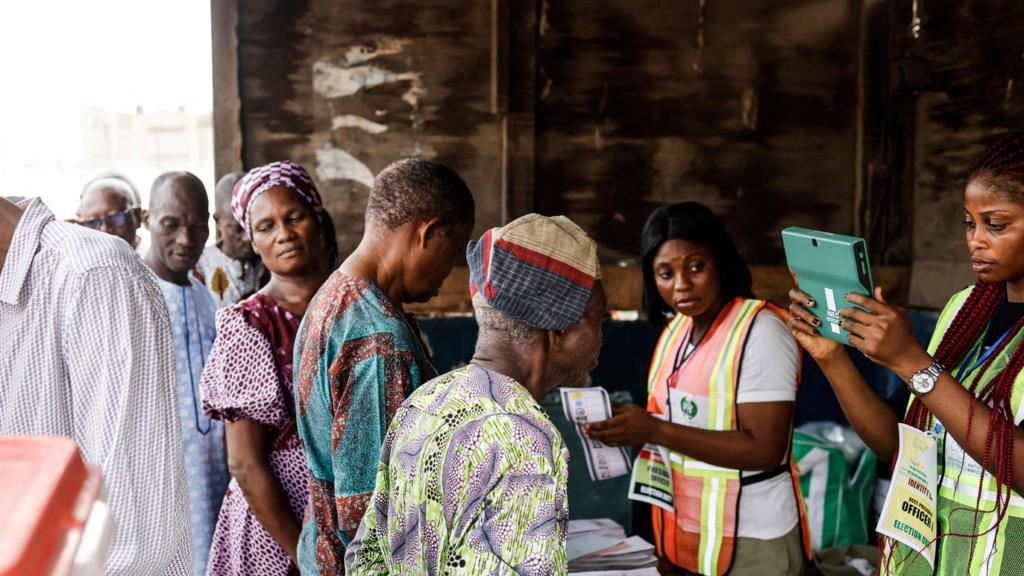
Whether such appeals move the needle is another question.
Turnout fell in 2023 despite similar exhortations from religious and civil society leaders in the run-up to that election. Still, with youth registration numbers growing and social media amplifying political conversation ahead of 2027, repeated messaging from trusted figures like Oyedepo could help chip away at voter apathy, particularly if reinforced by other denominations and community leaders.
A test of consistency, not just intention
The real test will come in whether Living Faith Church and similar institutions sustain this messaging through the registration period and beyond, rather than treating it as a one-off Sunday remark.
Sustained pressure from influential non-political voices, combined with credible improvements from INEC itself, may be what is needed to reverse a turnout trend that has now defined five consecutive general elections.
FURTHER READING
For now, Oyedepo’s appeal adds one more prominent voice to a growing chorus insisting that Nigerians cannot afford to sit out 2027.
Philip Ibitoye is a Special Correspondent with EKO HOT BLOG. Click here to find daily analysis and critical insight on trending issues in Lagos and other parts of Nigeria.
Click to watch the video of the week below: