- Ejimakor says distrust is discouraging South-East recruits
- He cites marginalisation and past military actions
- The Army insists recruitment is fair and merit-based
Aloy Ejimakor, legal counsel to the detained leader of the proscribed Indigenous People of Biafra (IPOB), Nnamdi Kanu, has attributed the low enlistment of young people from the South-East into the Nigerian Army to deep-rooted distrust rather than a lack of willingness to serve.
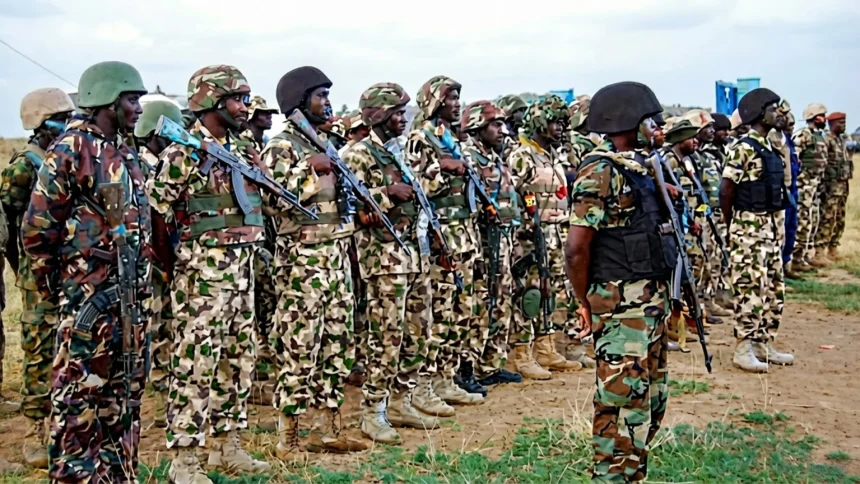
Eko Hot Blog gathered that Ejimakor made the remarks on Thursday in a post on X while responding to comments by the Chief of Army Staff, Lieutenant General Waidi Shaibu, who expressed concern over the poor turnout of recruits from the region during a passing-out parade at the Nigerian Army Recruits Training Depot in Amasiri-Edda, Ebonyi State.
EDITOR’S PICK
- 175th Kayokayo Festival Grand Finale: Epe Celebrates 175 Years of Faith, Heritage, Unity and Prosperity
- Wale Raji Reaffirms Commitment at KayoKayo Finale
- India: Massive Garbage Heap Collapse Kills Nine Workers at Waste-to-Energy Plant
According to him, many Igbo youths are reluctant to join the military because they believe they have been sidelined within the country’s security structure and lack confidence in the institution.
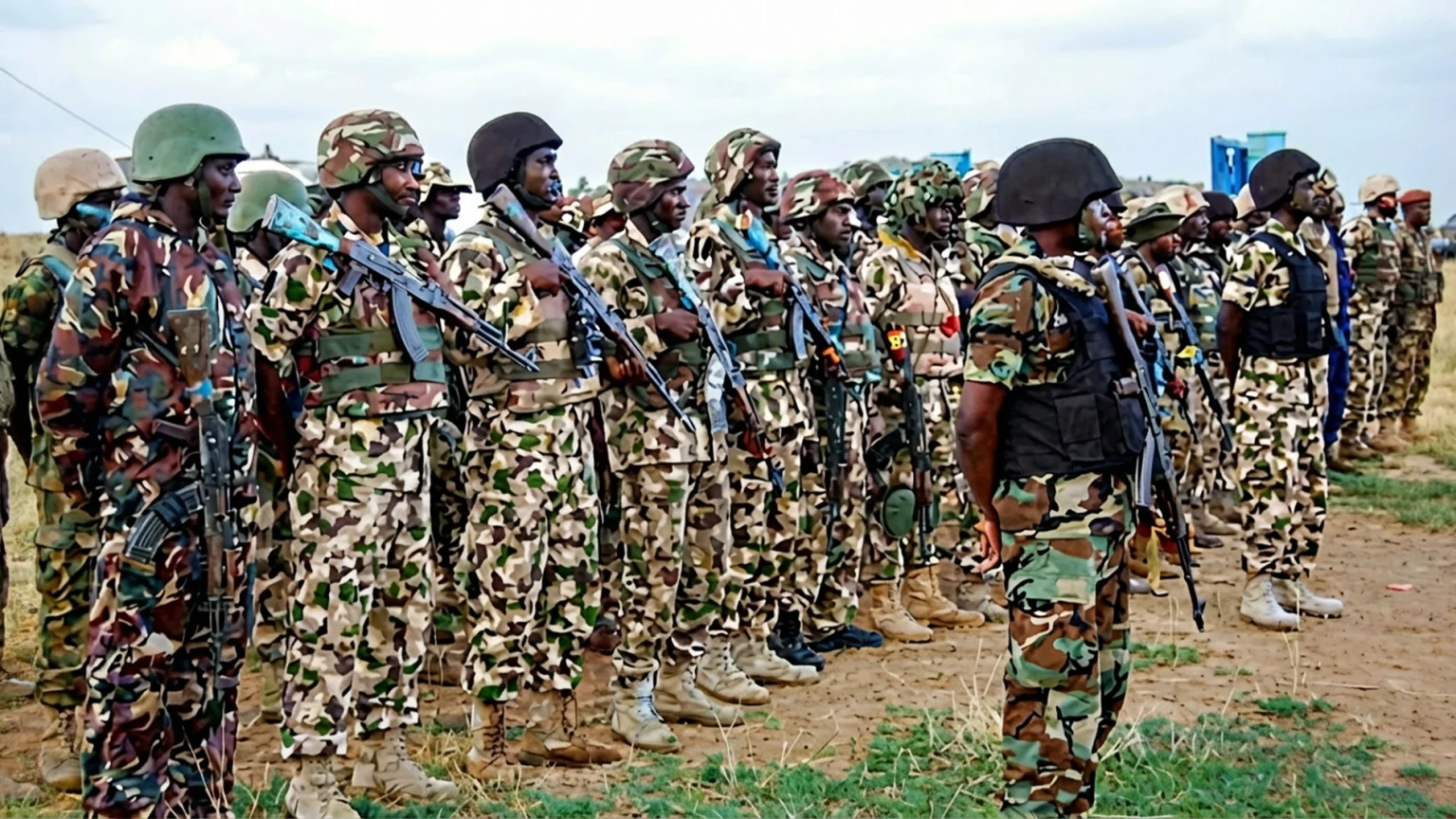
He argued that the military leadership does not reflect ethnic balance and claimed that many people in the South-East view the armed forces as having been repeatedly deployed against the region during periods of unrest.
Ejimakor cited historical events, including the 1967 killings of Igbos in Northern Nigeria, saying the memories remain painful. He also referred to more recent military operations in places such as Nkpor, Aba Prayer Ground, Obigbo and Port Harcourt, which he said have reinforced public distrust.
He further argued that the integration of former Boko Haram fighters who completed the military’s deradicalisation programme has heightened concerns among South-East youths.
According to him, many young people are unwilling to serve in an institution they do not trust while working alongside former insurgents.
Ejimakor maintained that the low enlistment from the region should be viewed as a silent expression of dissatisfaction rather than a lack of patriotism or courage.
His comments followed the Army chief’s renewed appeal for greater participation from South-East youths in military recruitment.
Military authorities have repeatedly observed that states in the South-East consistently record some of the lowest application figures during recruitment exercises, leading to unused slots being reassigned to applicants from other parts of the country.
The Nigerian Army has maintained that its recruitment process is transparent, merit-based and free from discrimination, while attributing the low turnout partly to misinformation surrounding enlistment procedures.
FURTHER READING