- The United States government has finalized a restrictive rule limiting international students and exchange visitors to a maximum stay of four years.
- The new regulation terminates the long-standing “duration of status” policy, which allowed international scholars to remain in the US for the entire length of their academic programs.
- The Department of Homeland Security defended the changes, citing a critical need to combat immigration fraud and prevent visa overstays.
The administration of United States President Donald Trump has finalized a restrictive immigration rule that limits most international students and exchange visitors to a maximum stay of four years in the country.
Eko Hot Blog reports that under the new guidelines, individuals wishing to stay beyond this period must secure an official extension from the federal government.
EDITOR’S PICK
- Why Africa Still Cannot Win the FIFA World Cup Despite Its World Class Talent
- Man Allegedly Slits Father’s Throat, Mutilates Body in Anambra
- Lagos Court Convicts Director, Company Over N822.4m Fraudulent Conversion
The policy shift, formally announced by the Department of Homeland Security (DHS), effectively ends the decades-old “duration of status” system.
Under the previous framework, foreign students holding active student visas were generally permitted to remain in the country for the entire lifespan of their academic programs, provided they complied with institutional and immigration requirements.
The newly introduced four-year limit will directly affect academic scholars entering the United States on F-1 student visas, as well as exchange visitors arriving on J-1 visas.
The decision has raised widespread concern across higher education circles. Most standard bachelor’s degrees take at least four years to complete, while advanced master’s and doctoral (PhD) programs regularly span five to seven years.
DHS acknowledged these program duration realities in its release but maintained that the policy revision is essential for protecting domestic border security.
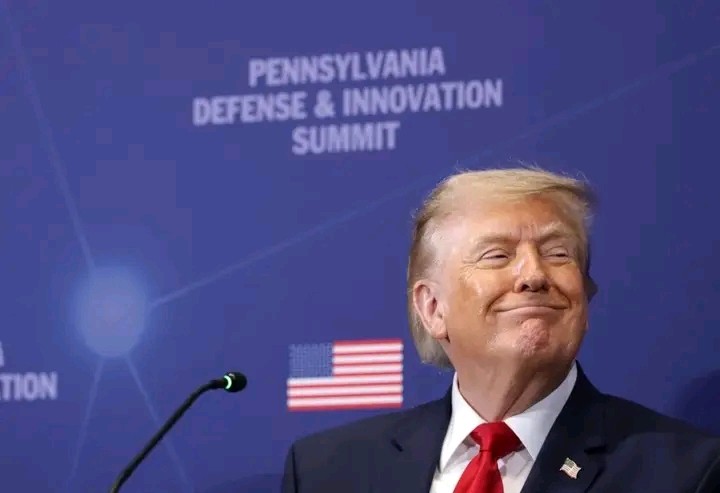
According to Secretary Mullin, the updated framework introduces a necessary layer of oversight to monitor visa compliance and deter individuals from overstaying their authorized educational periods.
However, the policy has drawn sharp criticism from major educational advocacy groups. NAFSA: Association of International Educators strongly condemned the rule, warning that it introduces unnecessary bureaucracy and instills anxiety among high-performing scholars who contribute significantly to the United States economy and academic research sector.
The timing of the visa restrictions comes as American colleges and universities struggle to stabilize international enrollment numbers.
Critics argue that adding bureaucratic hurdles to the visa extension process will further diminish the global appeal of US universities, driving top international talents to alternative study destinations like Canada, the United Kingdom, and Australia.