- He noted that for years, motorists in the country faced long queues at filling stations
- He emphasized that Africa has the resources and expertise required to tackle its infrastructure and energy gaps
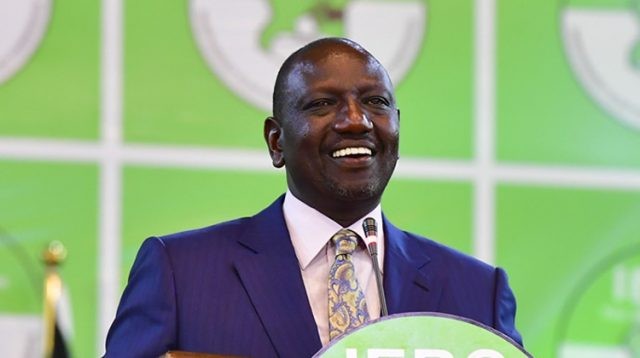
Kenyan President William Ruto has pointed to Aliko Dangote as proof that African-led investments can resolve long-standing energy challenges, citing the impact of the privately built refinery in Lagos.
Speaking at an infrastructure summit in Nairobi, Eko Hot Blog reports that Ruto reflected on Nigeria’s past struggles with fuel shortages despite its status as a major oil producer.
EDITOR’S PICK
- Benue Mortician Arrested for Using Corpse Part as Walking Stick
- Baba Yusuf: Bandits May Reach National Assembly
- PDP Asks INEC To Withdraw Recognition Of Anyanwu As National Secretary
He noted that for years, motorists in the country faced long queues at filling stations before private sector intervention changed the narrative.
According to him, the breakthrough came when Dangote established a large-scale refinery, demonstrating that local solutions can address problems that had persisted for decades.
Ruto used the example to advocate for the development of a similar refinery in East Africa, urging governments, investors, and industry leaders on the continent to collaborate and act decisively.
He emphasized that Africa has the resources and expertise required to tackle its infrastructure and energy gaps, stressing that reliance on external solutions is no longer necessary.
Dangote, who attended the summit, expressed readiness to support the proposed regional refinery project, provided there is strong commitment from participating governments.
Nigeria’s state-owned refineries, managed by Nigerian National Petroleum Company Limited, have struggled for years with underperformance despite multiple rehabilitation efforts, leaving room for private investment to play a larger role in fuel supply.
However, analysts note that while the new refinery has improved supply dynamics, challenges around fuel pricing and affordability persist for many Nigerians.
FURTHER READING